What happened
Denmark has accused Russian intelligence services of plotting to assassinate a Ukrainian-American rapper near Copenhagen, saying they had "planned" and "initiated" the attempt. Denmark's security and intelligence agency, PET, said it stopped the people behind the plot as they travelled by car near the music venue where the rapper was due to perform on 25 September. Firearms and knives were found in the vehicle.
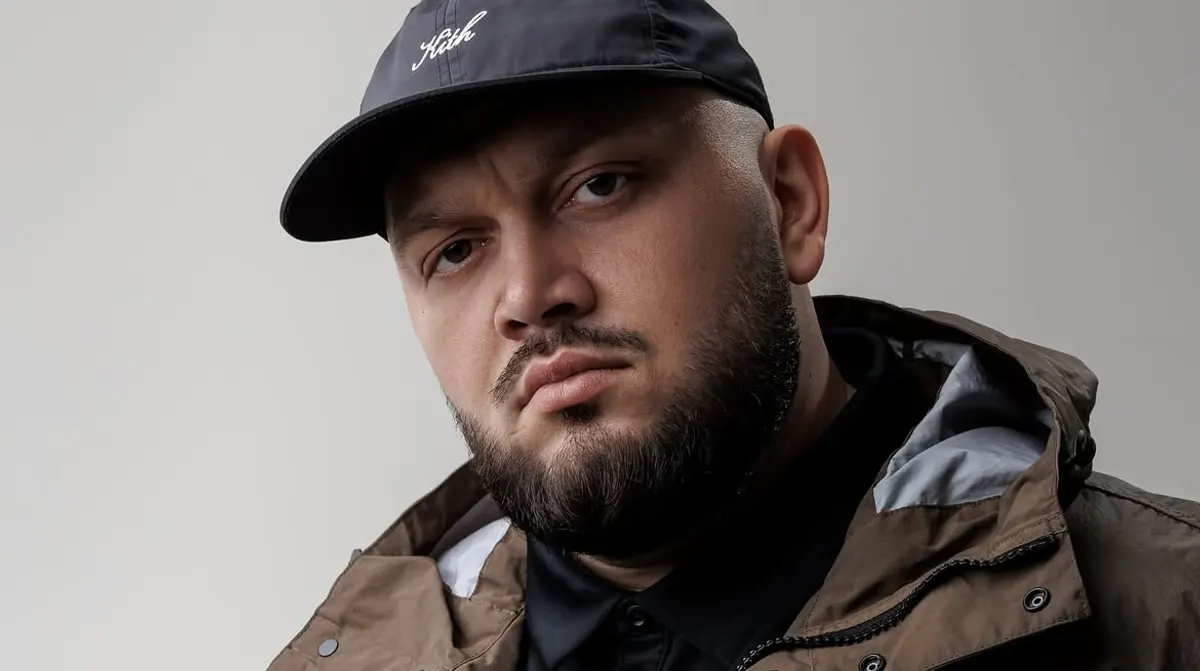
Danish media named the target as the rapper known as Kyivstoner, whose real name is Albert Vasiliev. Two people have since been charged with attempted murder and assisting a foreign intelligence service. Both pleaded not guilty, according to local media.
Denmark's foreign minister, Lars Løkke Rasmussen, announced that Russia's defence attaché must leave the country within seven days. He called the alleged attempt Russian "intimidation" and an effort to make Denmark "waver" in its support for Ukraine.
Why it matters
The case lands in the middle of an already tense standoff between Russia and its European neighbours. Earlier on Friday, [two Russian missiles hit Poland](/article/russian-missiles-drone-crash-poland-nato-response), prompting Warsaw to call the strike a provocation — the latest incident to rattle NATO's eastern flank.
PET said the alleged would-be killers were associated with Loyal to Familia, a banned Danish gang it described as "known for extensive, serious and violent criminal activity". The use of a local criminal group, if proven, would fit a pattern Western intelligence agencies have warned about: Russia outsourcing sabotage and intimidation to proxies and organised crime.
There is also a backstory. In July, Russia's FSB security service accused Vasiliev and the Ukrainian authorities of organising a "terrorist attack" on military facilities and personnel in Russia. The rapper denied the allegation on social media.
Moscow has rejected Denmark's account outright. Russia's embassy in Copenhagen called the allegations "unsubstantiated" and said Denmark had failed to provide evidence of Moscow's involvement. Russian state media cited the foreign ministry in Moscow as saying it will respond to the expulsion "accordingly".
What it means for the US
The target is a Ukrainian-American, which puts an American citizen at the centre of an alleged Russian intelligence operation on NATO soil. That alone guarantees Washington's attention: the US has repeatedly condemned Russian assassination plots and covert operations in Europe, and Denmark is a close NATO ally.
Denmark is also pushing for a wider European response, asking the EU to restrict Russians' ability to travel freely across the continent. Rasmussen argued that even though Denmark rarely issues visas to Russians, they can still obtain a Schengen visa in another country and travel to Denmark — and he wants those visas to be valid only in the country that issued them. If the EU takes that up, it would tighten the space Russian operatives have to move around Europe, a goal the US has long shared.
The case also shows how far apart the two sides remain on trust. [Jared Kushner said this week that Russia is "comfortable" with a NATO-like security deal for Ukraine](/article/kushner-says-russia-ok-nato-like-security-guarantees-ukraine) — but incidents like this one underline why Kyiv's allies are sceptical of Moscow's intentions.
What happens next
The Russian defence attaché has seven days to leave Denmark, and Moscow has signalled a response — most likely a tit-for-tat expulsion of a Danish diplomat. The two charged men face trial after pleading not guilty, and PET's investigation continues. Denmark's push to restrict Schengen travel for Russians now goes to the EU, where it will test how far other member states are willing to go.