What happened
U.S. officials suspect Iranian hackers are behind as many as 50 cyberattacks on shipping vessels in recent weeks, according to a report by The Wall Street Journal.
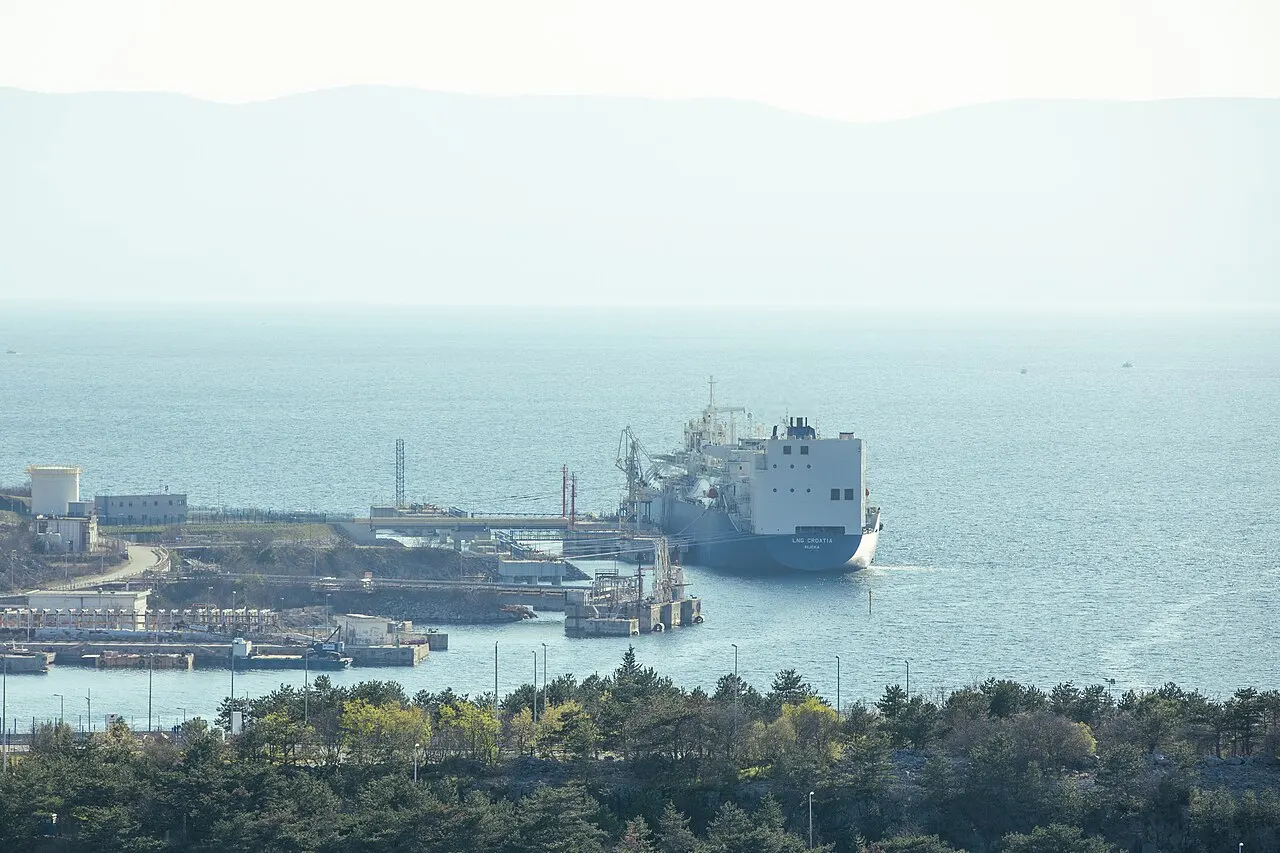
The targeted ships were carrying oil, liquefied gas and other explosive chemicals as they travelled across Asia and Europe. Several oil tankers headed toward the U.S. coast in August also had their navigation systems breached, prompting cybersecurity teams from the [FBI](/article/fbi-usda-hacked-trump-confirms-crime-database-breach) and the Coast Guard to board the vessels.
Officials are investigating whether Iran is expanding its recent wave of hacks against the United States by targeting large vessels — to sow fear among shippers, disrupt shipping routes, or even cause an explosion at a port. The ships have backup controls in the event that automated systems are hacked or fail.
Why it matters
A hacked tanker is not just a data breach. These vessels carry huge loads of oil and gas, and a loss of navigation control near a crowded port could turn a cyberattack into a physical disaster. That is the risk investigators are weighing as they trace the intrusions.
The attacks also fit a wider pattern. Since the start of the U.S.-Israel-led war earlier this year, which TechCrunch reports killed Iran's supreme leader, Tehran has answered largely with cyberattacks. U.S. officials have already blamed Iran for hacks targeting hundreds of American water providers and U.S. medical technology companies. Iran has also [vowed to use "all available means" against a U.S. naval blockade](/article/iran-vows-all-available-means-against-us-naval-blockade), a sign of how far the confrontation has spread.
The suspected entry point is a bug nicknamed FortiBleed, which lets hackers break into networks by compromising vulnerable Fortinet-made routers. A joint FBI-Coast Guard security alert in September warned that Fortinet routers are used on shipping vessels.
For American readers, the stakes are close to home. Tankers bound for the U.S. coast were among those breached, and any disruption to oil and gas shipping can ripple into fuel prices and supply.
What happens next
Investigators are still working to confirm who is behind the attacks and whether the intrusions used the FortiBleed flaw. The FBI did not respond to a request for comment, according to TechCrunch, and officials have not given a more precise count than the reported figure of as many as 50.
What to watch: whether shipping companies patch or replace the vulnerable routers, whether U.S. authorities issue new warnings for vessels, and whether the attacks spread from tankers to other kinds of cargo ships.