What happened
President Donald Trump has posthumously pardoned Pete Rose, the baseball great whose lifetime ban from the sport kept him out of the Hall of Fame for decades.
Trump announced the pardon on Thursday on Truth Social, writing: "I have just given a Complete and Total Pardon to the Late, Great Pete Rose, a true Baseball SUPERSTAR & LEGEND."
Rose died in 2024 at the age of 83. Because the pardon comes after his death, it is largely symbolic. It does not change his Hall of Fame status. The Constitution gives a sitting president broad power to grant pardons, which amount to legal forgiveness and end any further punishment. The Justice Department typically does not process posthumous pardon applications, though presidents have issued them before.
Trump also claimed that Rose's "record of 4,256 Hits in a Season will never be broken." The record is real. The wording is not: Rose collected 4,256 hits across his career, more than any player in history. Nobody has come close to that total in a single season.
Why it matters
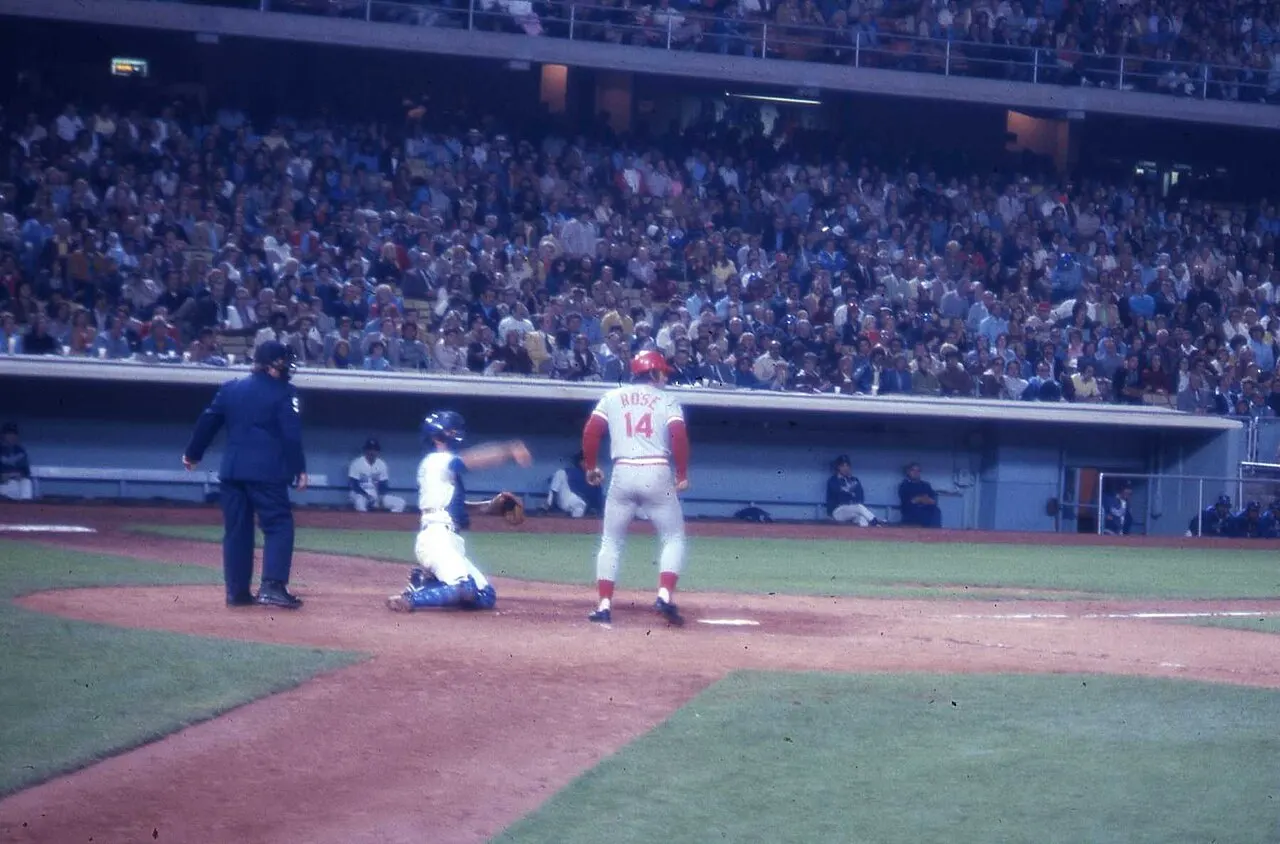
Rose was one of the best players of his generation, and one of the most controversial. A 17-time All-Star over 24 seasons, he played 3,562 games and earned the nickname "Charlie Hustle" for the way he ran out every play.
In August 1989, he agreed to a permanent ban from baseball after investigators found he had bet on the Cincinnati Reds multiple times while playing for and managing the team from 1985 to 1987. A year later, he pleaded guilty to two counts of filing false tax returns, admitting he had failed to report $354,968 of income over four years. He served five months in prison, paid a $50,000 fine, and performed community service.
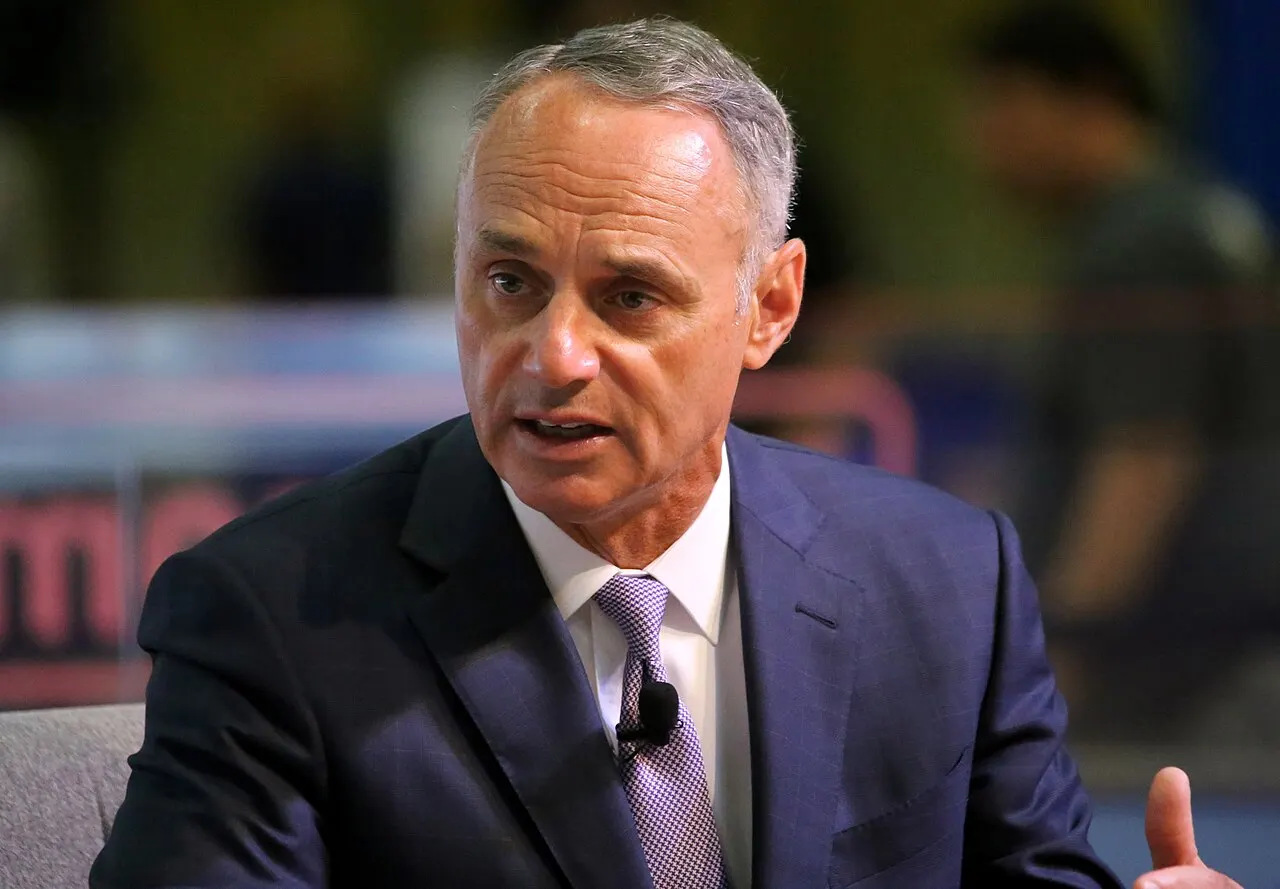
The ban kept the game's all-time hits leader out of Cooperstown for the rest of his life. In May 2025, Commissioner Rob Manfred reinstated Rose posthumously, opening a path to the Hall of Fame as early as 2028. [That decision, and the commissioner's current battles with team owners, are part of a wider fight over baseball's future](/article/mlb-lockout-looms-manfred-owners-wont-budge-salary-cap). The pardon adds nothing to it. Trump's complaint was aimed at the league itself: Rose, he said, "was treated terribly by Major League Baseball in not allowing him to go into the Baseball Hall of Fame. Politics, I guess."
Trump had been pushing this for a while. In March 2025, he wrote that baseball "didn't have the courage or decency" to put Rose in the Hall of Fame, and that Rose "will never experience the thrill of being selected, even though he was a FAR BETTER PLAYER than most of those who made it."
What happens next
Nothing changes on paper. Rose's Hall of Fame case now runs through the Hall's own voting process, with induction possible as early as 2028 under Manfred's ruling. The BBC said it had contacted the Hall of Fame and the Justice Department for comment.
The pardon reads best as a statement, not a legal event. It closes the book on the criminal side of Rose's story, the tax case from 1990, and leaves the baseball argument where it has been since May: with the Hall of Fame voters.