What happened
Albanian prosecutors say the land Jared Kushner bought for a luxury resort on Albania's Adriatic coast may have been illegally acquired through forgery. In court documents obtained by NPR, prosecutors argue the property is "suspected of having been illegally acquired through forgery."
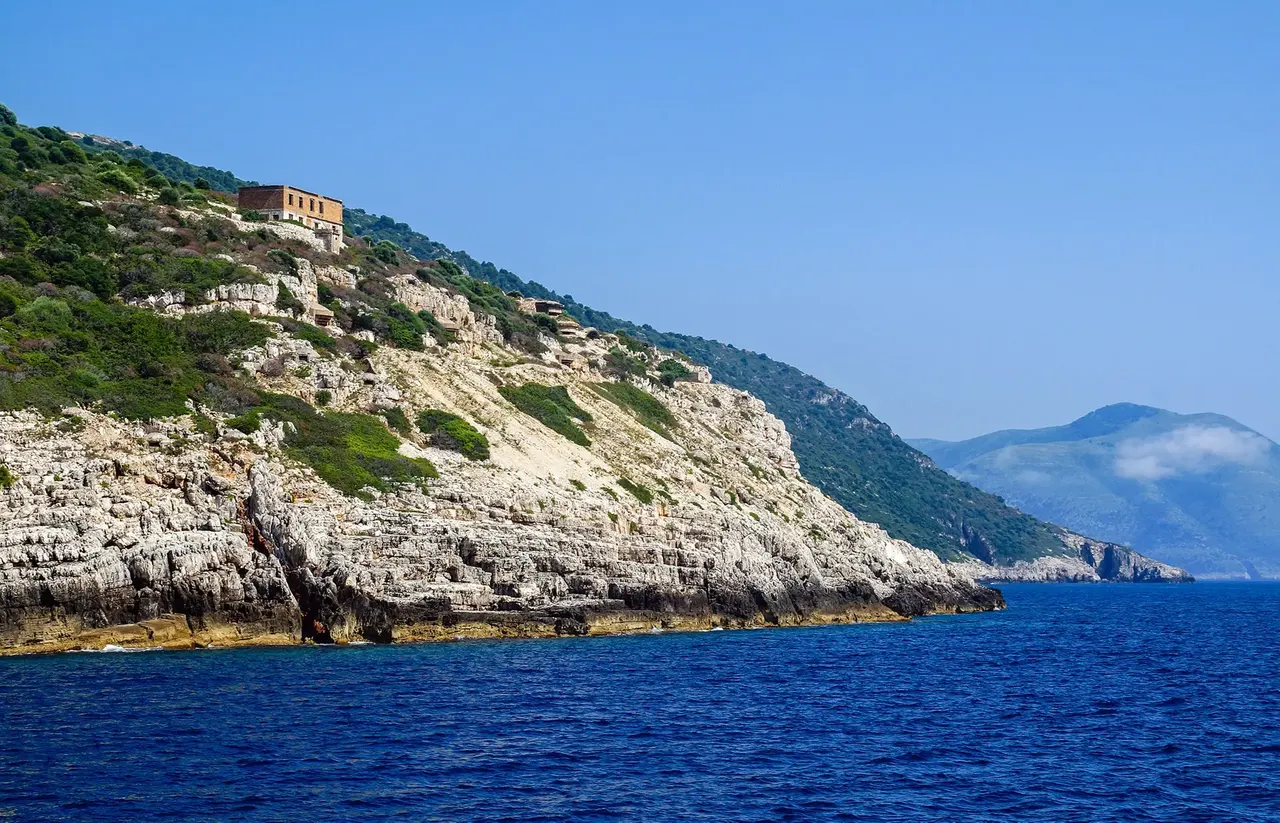
A company working for Kushner bought the land at Hidrovor Beach, near the city of Vlore, along with 300 surrounding acres, for more than $130 million in April. The plan is a five-star resort. The uninhabited island of Sazan, across the bay, is also slated for development.
Several Albanians say the land is not Kushner's to buy. They say it is theirs.
Gentian Mocka says his family has owned the beach and the wetland behind it for centuries, since the time of the Ottoman Empire. He showed NPR land titles he says prove it. Albania's Communist government seized all private land after World War II. When communism fell in 1991, families like his began the long process of claiming it back.
The man who sold the land is Artur Shehu, a 60-year-old Albanian who now lives in a villa in Miami Beach. Shehu received asylum in the United States in 2001 and later became a U.S. citizen. Albanian prosecutors say Shehu and his associate in Vlore, Pellumb Petritaj, claimed plots up and down the southern coast. Petritaj served three years in prison in 2018 for forging land titles on Shehu's behalf. On November 18, he was sentenced to seven more years for falsifying documents tied to $17 million worth of oceanfront property in Vlore. A court ordered land confiscated from Shehu last week, though that order does not cover Mocka's family plot.
Why it matters
The dispute sits on top of a much older mess. After communism fell in 1991, Albania's land records were in chaos. Families that had farmed the same ground for generations tried to get their property back, while well-connected operators moved in to claim it first. Roden Hoxha, an Albanian real estate law expert, told NPR that wealthy speculators have exploited that chaos ever since.
In the village of Zvernec, next to Mocka's land, residents say they learned 20 years ago that Shehu had somehow acquired their farmland. They sued to get it back. Their fight escalated this past April, when Shehu sold the 300-acre parcel that includes what they say is their farmland to the company building Kushner's resort.
Shehu's own former lawyer says the paperwork behind the sale was forged. Kujtim Cakrani told NPR that Shehu's associates forged an inheritance certificate to make it look as if Shehu's grandfather had owned the land. The land was then sold to Moutaz and Ramez Al-Khayyat, Syrian-born Qatari billionaire brothers who are financial partners of Kushner. Cakrani said he dropped Shehu as a client when he found out, and now represents 30 of Shehu's relatives who claim they are the rightful owners. Prosecutors have put Shehu under investigation and frozen his bank accounts.
Kushner's side says the purchase was clean. A spokesman did not respond to NPR's request for comment, but Kushner has previously said his partnership bought the land from a private party in a private transaction, and that "title was reviewed by counsel and verified."
The case has already spilled into the streets. Protesters have marched in the capital, Tirana, every day since May 31, calling on Prime Minister Edi Rama to resign. Rama has vowed to crack down on the demonstrations and says the resort will go ahead as planned. His spokesperson, Elona Sinaj, said that if the seller did not have legitimate ownership, the money would stay in Albania and go to whoever proves a grounded claim.
What it means for the US
The story now reaches Washington. Rep. Jamie Raskin of Maryland, expected to chair the House Judiciary Committee [when Democrats take control in January](/article/us-midterms-2026-explained), told NPR he plans to investigate Kushner, who he says has split his time between foreign policy and business deals on the side. Raskin called the Albania resort one of many Kushner-backed deals that have prompted inquiries from his committee.
That scrutiny fits a wider pattern. [Democrats are already probing whether businesses aligned with Donald Trump Jr. benefit from government access](/article/democrats-probe-trump-jr-firm-government-contracts), a separate investigation into the president's family. The Kushner case adds a foreign deal, a U.S. citizen seller living in Miami, and a sitting president's son-in-law to the pile Congress will sort through in January.
For American readers, the case is also a test of how U.S. political families do business abroad. The seller is a naturalized American. The buyer is the president's son-in-law. And the land at the center of it all is under criminal investigation in a NATO ally that wants closer ties with Washington.
What happens next
An Albanian court will likely decide who owns the property in the end. For now, the state prosecutor's investigation into forged titles could halt the project before construction starts.
Rama's government has not backed down. It says the resort will proceed, and frames the development as a new standard for sustainable tourism on the Mediterranean. Ivanka Trump has described the project as a five-star ecotourism site, and some locals agree. Tour operator Sherif Durmishaj, who runs boat trips to Sazan Island, supports the project and says it would set a better standard than the unplanned building that has scarred the coast.
In Washington, the timeline is set by the calendar. The new Congress is sworn in in January, and Raskin says more inquiries into Kushner's deals could follow. Until then, the resort, the protests, and the court case will keep moving in parallel.