What happened
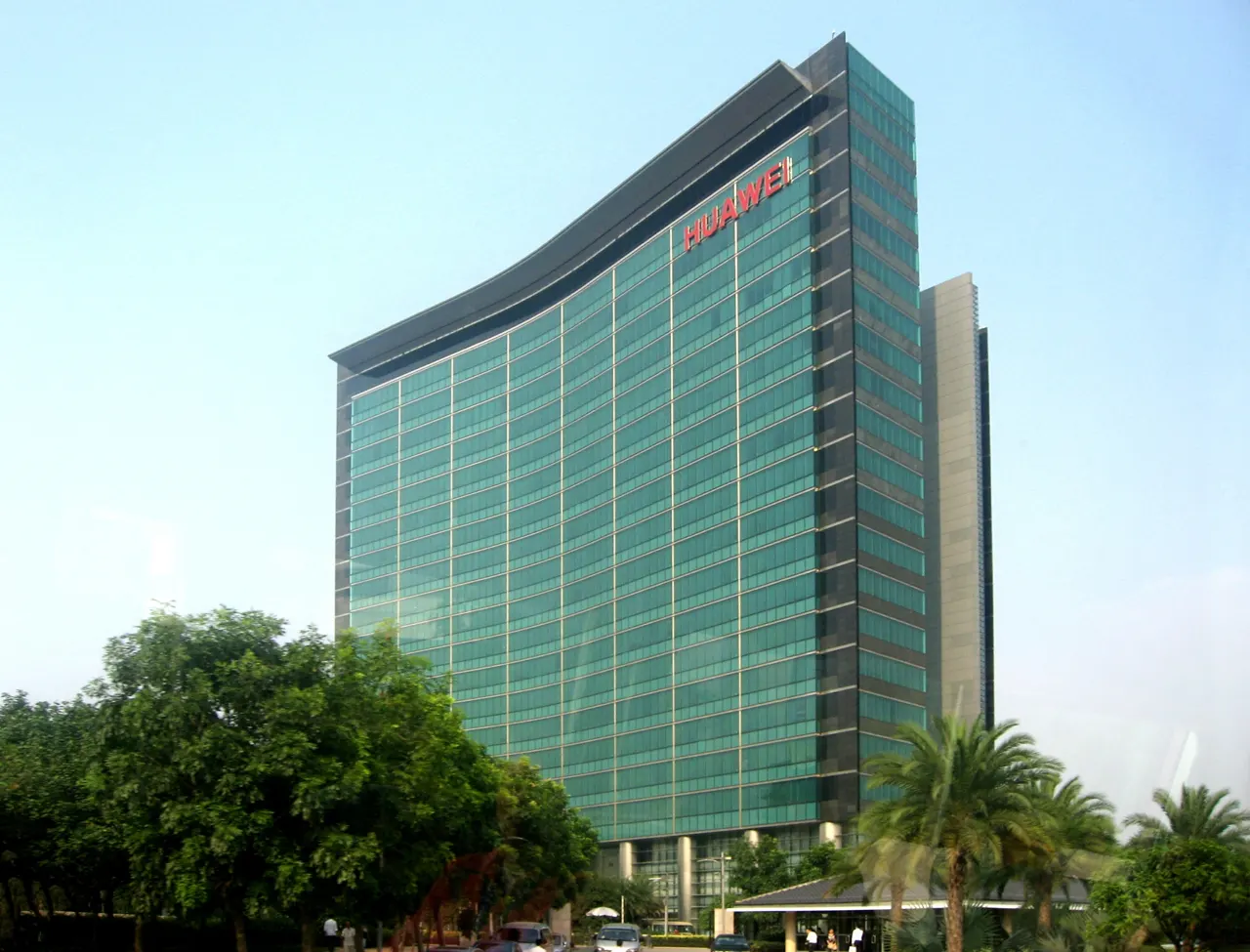
A federal jury in Brooklyn found Huawei guilty of conspiracy to steal trade secrets and bank fraud on Tuesday, closing a landmark two-month trial that put the Chinese telecom giant's business practices on trial in the United States.
Jurors convicted the company on 10 of 12 counts, including conspiracy to violate US sanctions. But they acquitted Huawei of the most serious charge: racketeering conspiracy, which would have required finding that the firm operated like a criminal enterprise.
Prosecutors told the jury Huawei spent two decades lying, cheating and stealing to win a competitive edge. In closing arguments, assistant US attorney Meredith Arfa said the company lied to banks about its business in Iran and took technology secrets from rival firms.
Huawei's defence team argued prosecutors had decided in advance that Huawei was a criminal organisation and built the case backwards. The company's success, they said, came from its own innovation, not theft. Defence lawyer Brian Heberlig pointed to a business operating in 170 countries with more than 200,000 staff.
Why it matters
The verdict is the sharpest legal blow yet in the long US campaign against Huawei. Federal prosecutors first brought the charges in 2019, weeks after the dramatic arrest of senior executive Meng Wanzhou in Canada. Meng spent three years under house arrest there before a deal with US prosecutors let her return to China.
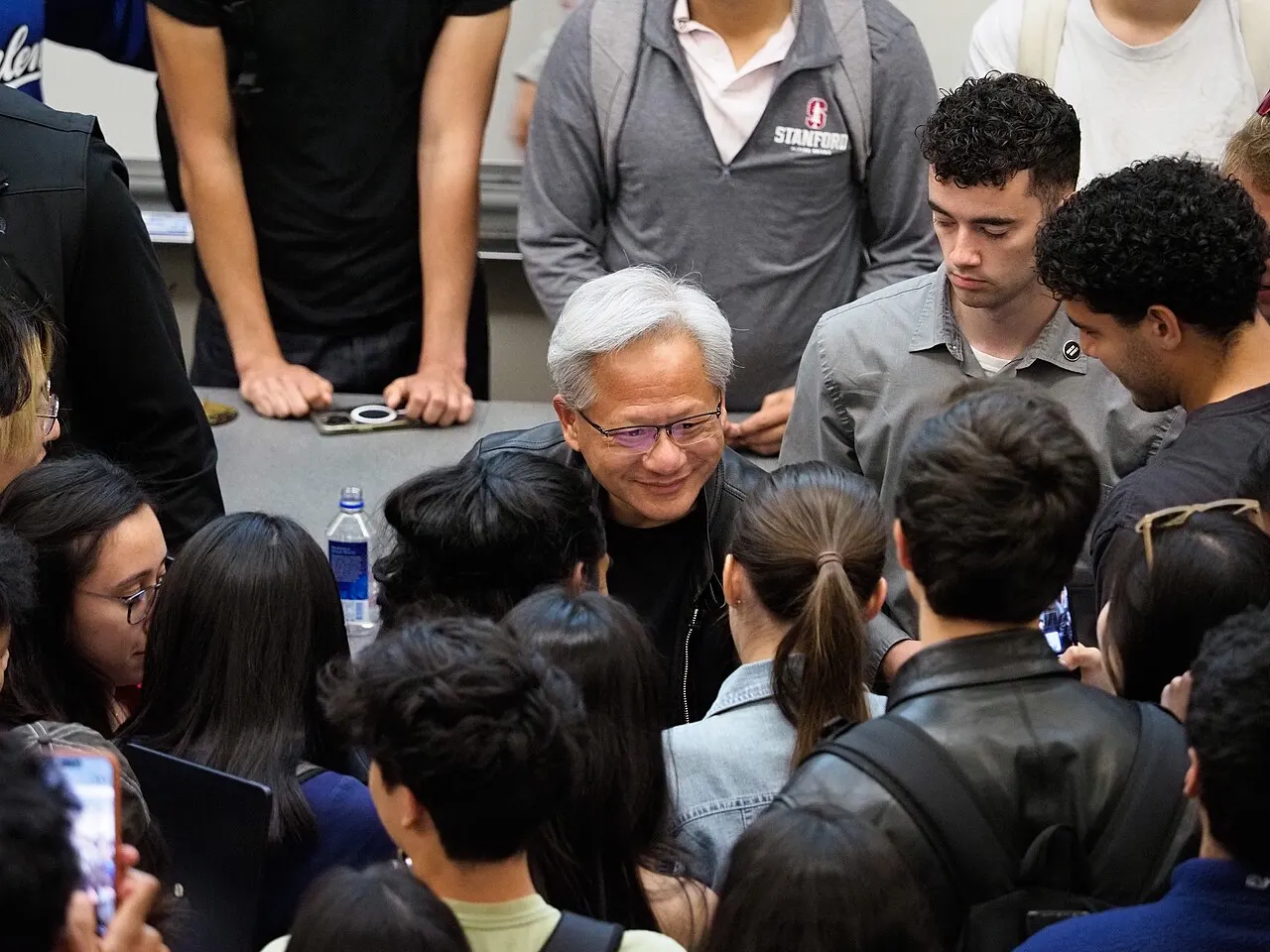
The case also lands in the middle of the wider US-China technology fight. Washington's scrutiny of Chinese tech firms has only intensified. This week, [Nvidia chief Jensen Huang was reinstated after testifying before the Senate](/article/jensen-huang-reinstated-nvidia-ceo-senate-testimony), another sign of how central the US-China technology rivalry has become. American firms, meanwhile, are racing to secure chip technology of their own. [Amazon agreed this week to buy an AI chip startup for $7.5 billion](/article/amazon-buys-decart-ai-chip-tech-7-5b-nvidia).
What it means for the US
For American readers, the verdict is a test of whether US courts can police the theft of American technology. The trade-secrets and sanctions counts go to the heart of US law: companies that do business in the United States cannot lie to US banks or route goods to Iran in defiance of sanctions.
The split verdict also sets a limit on how far Washington can go. The jury rejected the racketeering charge, the claim that Huawei itself was a criminal enterprise. Huawei called that part of the verdict a vindication, saying the acquittal "confirms that these allegations lack factual basis and vindicates our consistent position over the past eight years".
For US companies competing with Huawei, the convictions are a measure of validation. For Chinese firms operating in America, the message is that US sanctions and trade-secret laws carry real courtroom consequences.
What happens next
Sentencing is set for September 2027. Huawei's lawyers said they will push for the lowest sentence possible, and the company is expected to appeal once sentencing is done.
Heberlig said the fight is far from over. Huawei, he said, "is not going to rest until it's pursued every last argument it can through appeal".