What happened
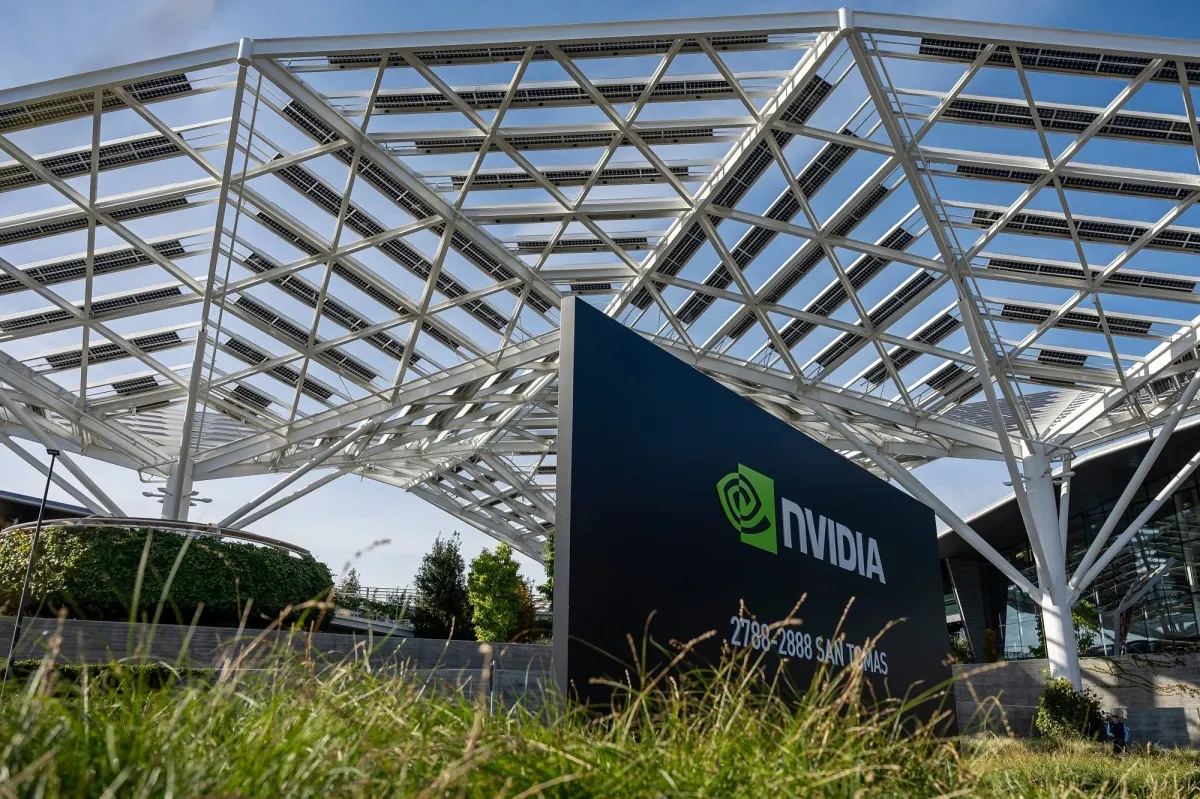
California has served an investigative subpoena on Nvidia, the chip designer at the centre of the AI boom, as the fallout from the scandal that ended chief executive Jensen Huang's time at the company keeps spreading.
State Attorney General Rob Bonta said on Thursday that his office is examining whether Nvidia's or Huang's actions resulted in China obtaining advanced chips or confidential information. If the company is found to have misled investors and the public, Bonta said, that could break California law.
"Nvidia is in a messy, transnational situation but the underlying principle of our corporate securities law is clear: Companies cannot mislead their investors," Bonta said.
Nvidia, headquartered in Santa Clara, California, has not publicly commented on the subpoena. The BBC said it had contacted the company for comment.
Why it matters
The California probe opens a second front in the Nvidia-China affair. Federal investigators are already examining [whether a major Nvidia customer diverted chips to China](/article/us-confirms-megaspeed-investigation-nvidia-chips-china), after members of Congress urged the Commerce Department to look into Megaspeed, a Singapore-based data centre company and major Nvidia customer.
Earlier this month, it emerged that Huang had a relationship with Alice Huang, a Megaspeed executive described as a suspected Chinese spy. Huang has acknowledged extramarital affairs and left Nvidia last week after reports that he had relationships with subordinates.
The market has already passed judgment. Nvidia shares have fallen 22% since the New York Times first reported on the affair in early November. Earlier this week, board chair Harvey Jones said the company had no intention of reinstating Huang, even after the former chief executive said he would be "honoured" to return and some tech leaders, including Elon Musk, campaigned on his behalf.
Megaspeed has pushed back on the claims. The company has said it is aware of reports "containing assertions about our business, supply chain and global operations that are not supported by verifiable evidence."
What it means for the US
For American readers, the case sits at the junction of two things Washington cares about most: keeping advanced AI chips out of China's hands and keeping investors honest.
The US already restricts sales of advanced AI chips to China, and it [closed a loophole this week that let China access the chips remotely](/article/us-closes-loophole-china-remote-access-ai-chips). If a state investigation finds that chips or confidential information reached China anyway, it would raise fresh questions about how well those controls work, and whether the rules need tightening again.
There is a market angle too. Nvidia sits at the heart of the AI supply chain, and a 22% slide in its shares hits pension funds and retirement accounts across the country. A state securities case would put the company's disclosures under a microscope, not just its shipments.
What happens next
Bonta's office has not said what the subpoena seeks or when any findings might emerge. Nvidia has yet to respond publicly to the California probe.
What to watch: whether Nvidia answers the subpoena with documents or a legal challenge, whether the attorney general brings a case, and what the federal investigation into Megaspeed concludes. Either way, the affair that cost Huang his job is now a legal problem for the company as well as a reputational one.