What happened
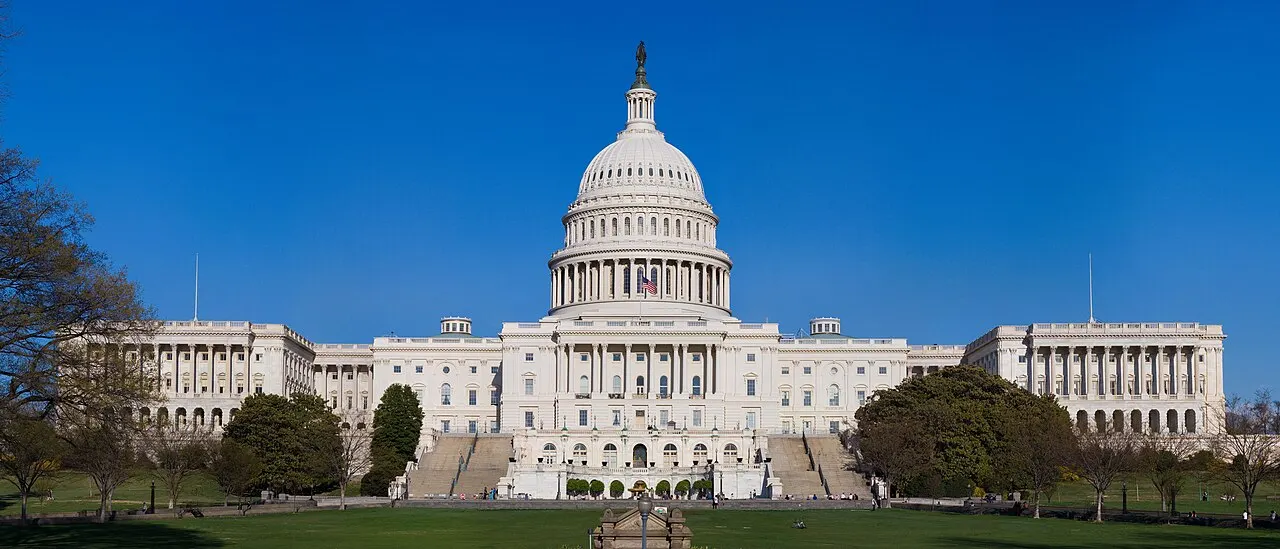
Lawmakers are heading back to Washington this week for the final session of the 119th Congress. Republicans have only a few weeks left in control of the House and Senate before Democrats take over both chambers in January, after [their midterm win](/article/democrats-won-congress-what-happens-next-explained).
The first order of business is keeping the federal government open. Funding runs out on December 11, when a stopgap measure passed about a month before the midterm elections expires.
Any extension is all but certain to come as another short-term bill, known as a continuing resolution. The normal process — 12 carefully negotiated spending bills — would take time and political will that lawmakers do not have right now.
Why it matters
A lame-duck session is always a race against the calendar, and this one has more on the line than most. If Congress misses the December 11 deadline, parts of the federal government shut down, weeks before a new Congress takes over.
The defense bill is the other big item. Congress also has to find a path for the National Defense Authorization Act, the annual military funding package that is usually a must-pass bill. This year it is stuck in the politics of the [war with Iran](/article/iran-threatens-rain-down-hell-us-escalates-war), a conflict opposed by a majority of Americans. President Trump has acknowledged that opposition was a key force in driving his party out of power in the midterms.
The House is also likely to vote on an impeachment effort aimed at Defense Secretary Pete Hegseth. The measure was introduced by Republican Thomas Massie of Kentucky, a key figure in forcing the administration to release the Epstein files. Among the charges: the administration failed to properly consult Congress on the military campaign.
The election result itself was powered by a surge in young voters — [Gen Z backed Democrats by nearly 50 points](/article/gen-z-powered-democrats-midterm-win) — and the new majority has no reason to bail out the outgoing one.
What it means for the US
For most Americans, the December 11 deadline is the one to watch. A funding lapse would freeze federal services, delay paychecks for federal workers and troops, and add uncertainty to an economy already sensitive to Washington gridlock. A short-term extension avoids that, but it also kicks the real spending decisions into January, when Democrats will write them.
The defense bill matters too. The NDAA sets pay and policy for the US military, and a delay leaves the Pentagon operating on last year's numbers while the Iran conflict continues. The Hegseth vote, meanwhile, is a test of how far Republican criticism of the war has gone: an impeachment push from inside the president's own party is rare, and its vote count will show whether the war still has a majority in the House.
What happens next
Congress has until December 11 to pass a funding extension, and the expectation in Washington is a short-term continuing resolution rather than a full spending deal. The defense bill and the Hegseth impeachment vote are likely to move in the same window.
Bigger items will almost certainly wait for the new Congress in January. Democrats are unlikely to compromise on legislation now, which means work on a bipartisan energy permitting overhaul and the Protect College Sports Act, a bill to regulate college athlete compensation, will stall until the new term.
Republicans also face a practical problem: slim majorities in both chambers, plus attendance trouble after a demoralizing election. Republican strategist Mike Ricci, a former aide to House Speakers John Boehner and Paul Ryan, told NPR that reluctant lame-duck lawmakers still have reasons to show up — winding down their offices, finding new work, and the White House Christmas party.