What happened
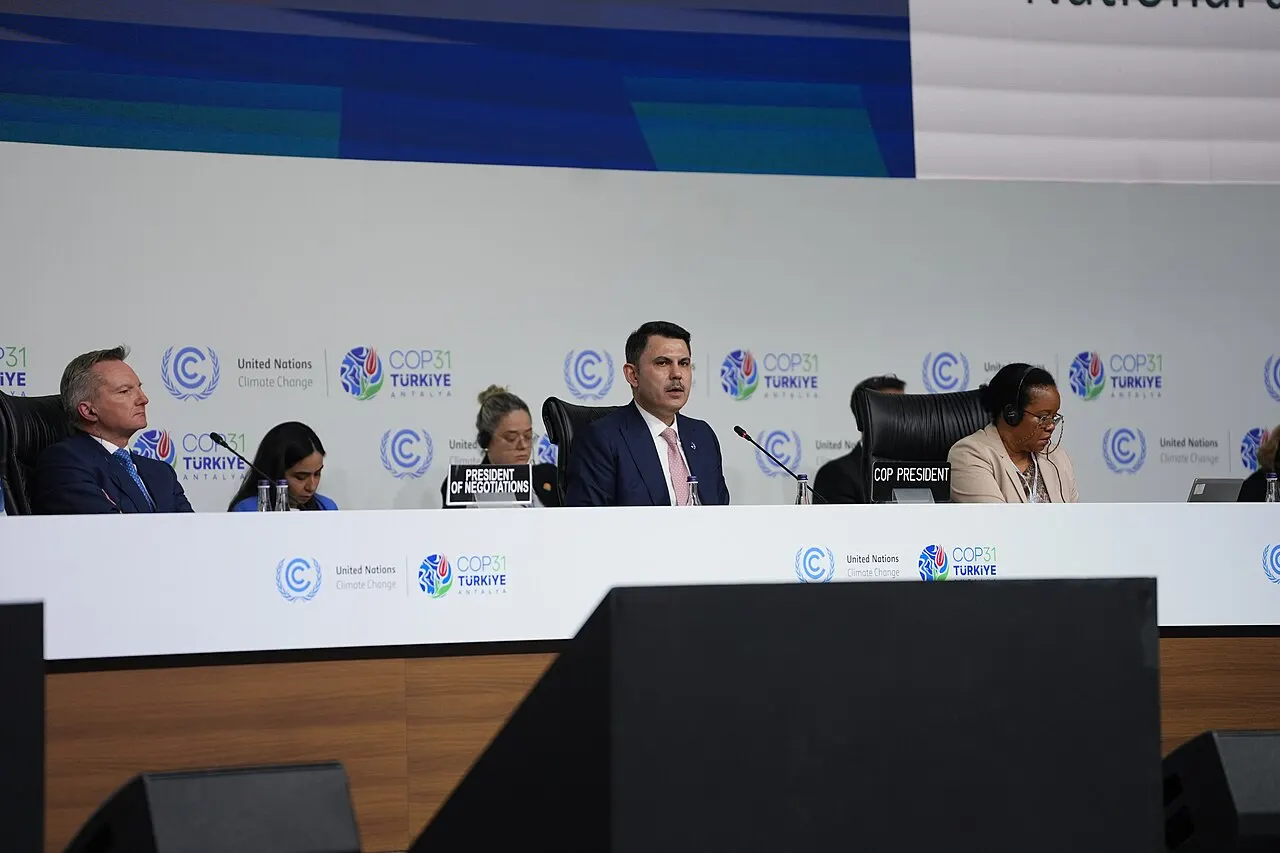
Negotiations at the COP31 UN climate summit in Antalya, Turkey, are deadlocked after running more than 36 hours into overtime, with countries unable to agree on a new global climate deal.
The latest draft agreement contains no reference to reducing the world's demand for fossil fuels. The EU and Pacific island nations are among the group pushing back against it, after fossil fuel producers led by Saudi Arabia pushed for the language to be removed.
A second sticking point is money. The Africa Group wants commitments for more adaptation funding, but the EU has previously said it would not support that. An earlier version of the text promised to ramp up adaptation money to $120 billion (£91 billion) by 2035. That figure has now been removed.
Negotiating teams that were due to fly out on Sunday morning are now moving their flights to Monday, a sign that a deal is not yet in sight.
Why it matters
If countries cannot reach consensus — required under the UN climate talks process — the negotiations could be suspended. The summit would then end with no deal and be reconvened next year. That has happened only once since countries started holding COP climate meetings in 1995.
Ministers from Panama, Solomon Islands, Cote d'Ivoire and the EU are fighting to get a commitment to move away from oil, gas and coal back into the final agreement. "It is not acceptable to have a COP or a cover decision that does not even mention fossil fuels and we simply will not put up with it," said Juan Carlos Navarro, Panama's environment minister.
France's ecological transition minister, Monique Barbut, took aim at references in the text to carbon capture, use and storage — technology that traps emissions and stores them underground — calling it a licence for other countries to keep burning oil and gas. "We cannot be announcing to the world that we are now getting to 1.5 increase in the temperature and do business like nothing was happening," she said.
For the first time at a COP, the agreement — known officially as the Antalya Accords — could acknowledge that the goal of keeping global temperature rise below 1.5C has been missed. The world is entering a period scientists call "overshoot," in which millions more people will be exposed to sea level rise and extreme heat.
Australia's climate minister, Chris Bowen, who is leading the negotiations, pushed back on the need to include fossil fuel language. He argued the summit was about implementation and should focus on the move toward clean energy sources. One proposal on the table would keep fossil fuels out of the text in exchange for Saudi Arabia and other petro-states signing a pledge for 35% of their energy consumption to come from electricity by 2035.
Climate activists and environmental groups observing the talks have slammed the negotiations. "I can tell you without any doubt that this has been the worst COP ever," said Mohamed Adow of Powershift Africa. Turkey's hosts have also drawn criticism after their lead negotiator walked out of some crucial negotiations, leaving countries feeling "disrespected," according to one observer.
What it means for the US
The deadlock lands as the US, China and Russia pull in the opposite direction on oil. This week, President Donald Trump, Chinese President Xi Jinping and Russian President Vladimir Putin agreed at [their meeting in Shenzhen](/article/trump-putin-xi-summit-explained) to increase oil production in the face of fuel supply disruption.
More oil on the market would tend to hold down the gasoline prices Americans pay at the pump. But it also undercuts the clean-energy shift the COP talks are meant to accelerate. The International Energy Agency warned this week that the longer fuel supplies through the Strait of Hormuz stay disrupted, the stronger the incentive to switch to electricity powered by renewables.
A failed COP would also leave the US with no new global framework for climate finance or adaptation aid — the money developing nations say they need to cope with floods, droughts and heat that drive instability and migration. At home, the energy debate is running on a separate track: the [Senate's bipartisan energy bill](/article/senate-passes-bipartisan-energy-bill-speed-up-power-projects) aims to speed up power projects in the US, regardless of what happens in Antalya.
And the 1.5C overshoot the draft would acknowledge carries direct stakes for the US, where coastal flooding and extreme heat are already regular features of American summers.
What happens next
EU Commissioner for Climate Wopke Hoekstra said on Saturday that if the bloc could not get "what is needed in terms of climate action... then there's no deal." The UK's chief negotiator, Energy Secretary Miatta Fahnbulleh, sounded more hopeful, saying her team was still working to get an agreement. "These are difficult negotiations, but discussions remain productive and there is a deal to be done. The UK is pushing hard for an outcome and we will keep working in the coming hours to bring countries together."
There is also a practical risk. As negotiating teams start their journeys home, the meeting could lose the critical number of nations needed to pass any global agreement. If the talks collapse, the summit would be suspended and reconvened next year — with the fossil fuel question left exactly where it started.