What happened
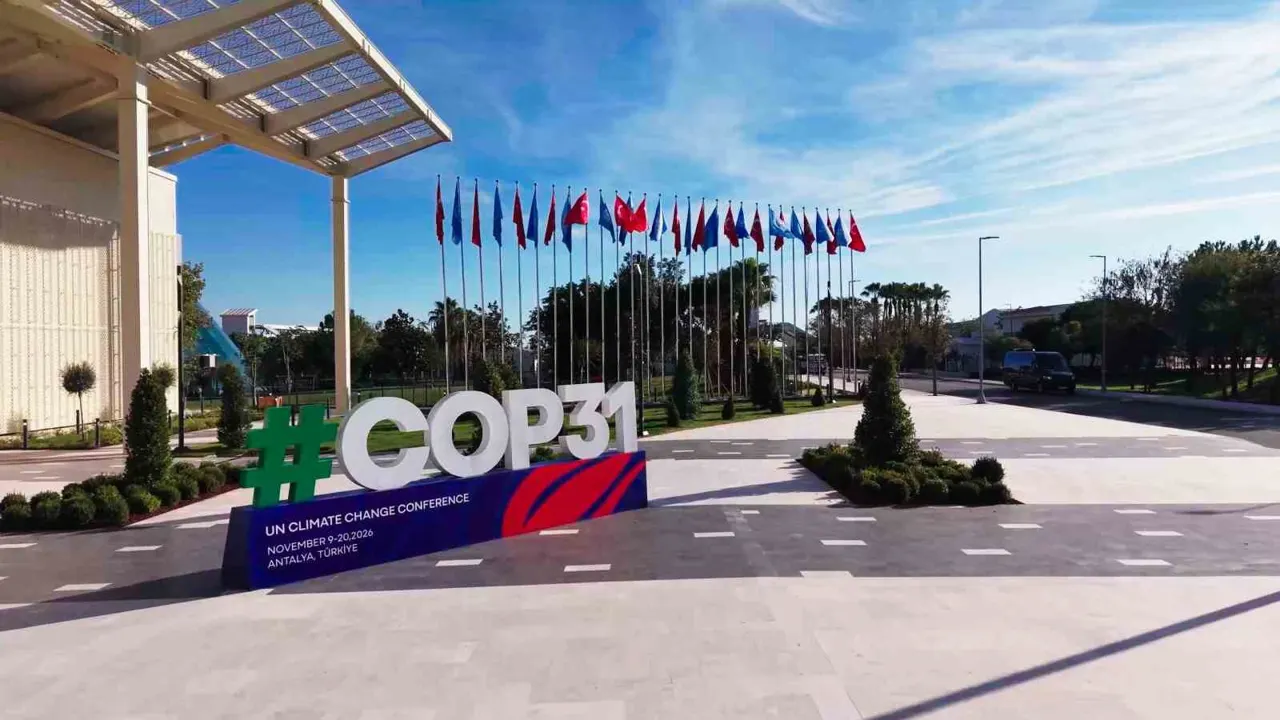
Two weeks of climate talks in Antalya, Turkey, ended Sunday with no overarching deal. COP31 President Murat Kurum, who is also Turkey's environment minister, told the closing plenary the text had not been adopted. "This text was not imposed on anyone," he said. "I understand that there is no agreement on this text. For that reason, these decisions have not been adopted."
The breaking point was fossil fuels — or rather, their absence. The final text proposed by co-hosts Turkey and Australia never mentioned coal, oil or gas. The European Union refused to endorse it. Ireland's climate minister Darragh O'Brien, speaking for the bloc under Ireland's rotating EU presidency, said the EU "will not endorse a cover decision... that does not even mention fossil fuels, which is the key driver of climate change."
The summit was supposed to wrap up Friday. It ran into overtime, and the deadlock that [gripped the talks on Saturday](/article/cop31-climate-talks-deadlock-fossil-fuels) never broke. A draft earlier in the week had called for a faster phase-out of fossil fuels. A slimmer version released Thursday stripped out every mention of them. Walkout threats pushed Turkey and Australia to convene a hurried meeting between the EU and Saudi Arabia, but no compromise emerged.
The final text did nod to a 2023 global agreement to shift the world away from fossil fuels. It just stopped short of naming them. It also kept a push to expand carbon capture and storage, a technology the fossil fuel industry champions and critics call costly and ineffective.
Why it matters
This was the summit where the world was supposed to show it could still act together on climate. It could not. The failure leaves the 2023 pledge to transition away from fossil fuels with no follow-through, three years on.
The stakes were plain. The draft itself expressed "deep concern" that global warming will cross 1.5C above pre-industrial levels in the next few years, the threshold set under the Paris climate accord. The talks came in a year of climate-linked disasters, from Europe's heat waves to flooding in Nepal and Indonesia, and against soaring energy prices and geopolitical tensions around the war in Iran.
Other fights went unresolved too. A $120 billion target for climate adaptation was removed, angering developing nations. Saudi Arabia, India and Kenya tried to delay the next reports from the UN's climate science panel, the IPCC, which dozens of countries want in time for a global stocktake in 2028.
The one big idea that survived was electrification: a goal to lift electricity's share of total energy use to 35 percent by 2035, from about 21 percent today. But the text never said that electricity must come from renewables. Around a third of the world's electricity still comes from coal and another fifth from gas, so fossil-fueled plants could count toward the target.
What it means for the US
The United States was not in the room. Washington skipped COP31 for a second straight year under President Donald Trump, who ended US climate cooperation. The US is the world's largest historical emitter and its second-biggest polluter, and its absence left a hole in the talks: it is richer nations like the US that vulnerable countries look to for climate funding, and that is hard to ask for when the American government is not officially present.
For Americans, the failure still lands at home. No global push on fossil fuels means no new pressure on the markets that set US gas and electricity prices, and no new help for the countries on the front line of the disasters that drive migration and supply-chain shocks. The 1.5C threshold the draft warned about is the same one behind hotter American summers, wilder fire seasons and costlier storms. At home, Washington is moving on its own track: the [Senate passed a bipartisan energy bill to speed up power projects](/article/senate-passes-bipartisan-energy-bill-speed-up-power-projects).
What happens next
The open issues roll forward to COP32, scheduled for Addis Ababa, Ethiopia, in November 2027. UN climate decisions need consensus, so nothing from Antalya binds anyone. The electrification goal and the technical items agreed in overtime stand, but the core question — whether the world will name fossil fuels and commit to moving away from them — is now a year older and no closer to an answer.