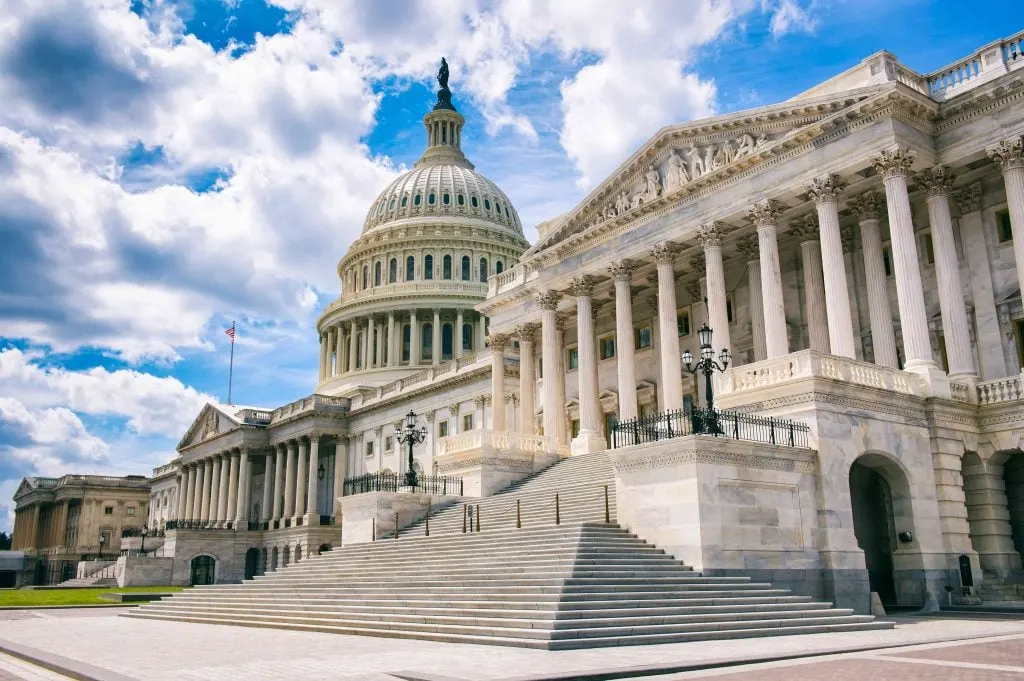
What happened
Democrats have won the largest majority in the US House of Representatives since 1992. The milestone came on Sunday, when Democrat Chuck Hubbard defeated Republican Representative Virginia Foxx in North Carolina's 5th Congressional District by 330 votes, with 99% of ballots counted.
Foxx had held the seat since 2005 and asked for a recount after the first count put Hubbard narrowly ahead. North Carolina law allows a recount when the margin is under 1%. After the recount, Foxx conceded. "I'm humbled and grateful that so many North Carolina voters responded by supporting my candidacy, even if we came up just a few votes short," she said in a statement.
Hubbard is a former journalist whose first political campaign was in 2022. He lost to Foxx by nine percentage points in the 2024 midterms, then ran again with a campaign built around the rising cost of living.
With Hubbard's win, Democrats hold at least 258 House seats against at least 173 for Republicans. Four races remain uncalled. The last time either party won that many House seats was 1992, when Bill Clinton won the presidency and Democrats took 258 seats.
Why it matters
Hubbard's win caps a pattern across the midterms: Democrats picked up seats in districts long held by Republicans, including races in South Carolina, Texas, Alaska and Iowa. Democrats also secured the Senate, giving the party control of both chambers when the new Congress takes its seats in January.
The result also says something about what moved voters. Hubbard, like many Democrats in this cycle, campaigned on the cost of living during the war with Iran. President Donald Trump and Vice President JD Vance have both suggested that inflation driven by the war was a factor in Republican losses.
The party's midterm surge was already clear on election night, when Democrats [posted their largest House win in 50 years](/article/democrats-14-point-house-win-largest-50-years). Hubbard's victory in a district Foxx had held for two decades turned a big win into a historic one.
Democrats have nominated Hakeem Jeffries to serve as Speaker of the House, which would make him the first Black lawmaker to lead the chamber.
What it means for the US
A 258-seat majority gives Democrats real room to govern, and to check the White House. With the House and the Senate, the party can pass legislation through Congress, investigate conflicts of interest involving the president and people close to him, and confirm or block cabinet and judicial nominations through the Senate.
There are still limits. President Trump can veto legislation, and a veto needs a two-thirds vote in both chambers to override. For households, the practical question is whether the new majority moves on the cost-of-living issues that dominated the campaign: prices, health care, and support for working families and small businesses, which Hubbard has said he will prioritize.
The new majority also reshapes the next two years of American politics. Every major bill, budget and nomination now runs through a Democratic Congress, with a Republican president at the other end of Pennsylvania Avenue. A recent poll found [most Republicans doubt the midterms were fair](/article/most-republicans-doubt-midterms-were-fair-poll), a reminder that the fight over the results themselves is not over.
What happens next
Four House races are still uncalled. The remaining contests are in Tennessee and Minnesota, and two Louisiana elections head to a December runoff. In Tennessee's 4th District, Democrat Victoria Broderick leads by fewer than 300 votes. In Minnesota's 1st District, Democrat Jake Johnson is ahead by fewer than 500.
Once the final seats are settled, the new Congress convenes in January, when Democrats will formally take control of the House and Jeffries is expected to be elected Speaker.