What happened
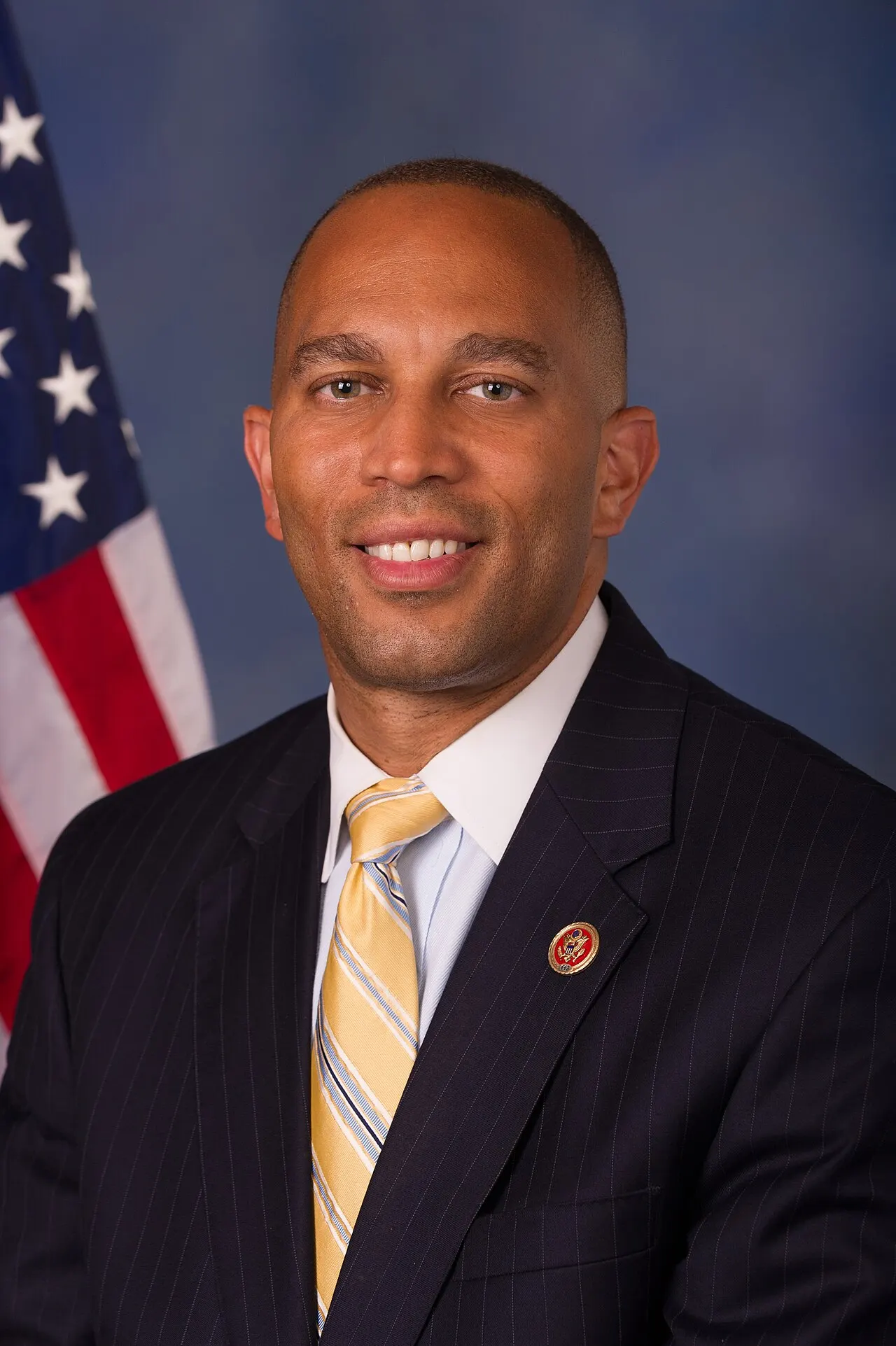
House Democrats voted on Wednesday to nominate Hakeem Jeffries as their candidate for speaker of the House, clearing the way for the New York Democrat to lead the chamber when the new Congress convenes in January.
The vote took place behind closed doors. Jeffries ran unopposed and won 251 to 11, according to NPR, which first reported the result. The 11 votes against him were not explained in the report, and the dissenters were not named.
Jeffries has led House Democrats since 2023. The nomination kicks off the formal process of choosing the next speaker, a job that puts its holder second in line to the presidency and in charge of what legislation reaches the House floor.
Why it matters
The margin tells its own story. Democrats are set to hold at least 257 seats in the new House, with several races still undecided, and that cushion gives Jeffries room to absorb dissent that a narrow majority would not allow.
That is a sharp contrast with the last speaker fight. Four years ago, Republicans retook the House with an extremely narrow margin and struggled for days to unite behind a candidate, negotiating with a handful of far-right holdouts as candidate after candidate failed to win a majority. The party eventually settled on Mike Johnson, the outgoing speaker.
Jeffries still faces pressure from his party's left flank. Some of the most progressive members want Democrats to push votes on Medicare for All and on legislation to stop the transfer of offensive weapons to Israel. But with the party's double-digit majority built largely on moderate candidates who won districts President Trump carried in 2024, it is far from clear how much leverage the left will have. The dynamic echoes the party's broader midterm gains, including [Democrats flipping state legislatures](/article/democrats-flip-state-legislatures-midterm-sweep) across the country and [Mary Peltola's win in Alaska](/article/peltola-flips-alaska-senate-seat-democrats-56), which gave Democrats 56 Senate seats.
The other side of the aisle has already sorted its leadership. Just over a week ago, House Republicans chose Jim Jordan of Ohio as their minority leader, and Senate Republicans tapped South Dakota's John Thune for a second term as party leader.
What it means for the US
The speaker decides which bills get a vote, which investigations move forward, and how the House negotiates spending with the Senate and the White House. With Democrats taking the House and holding the Senate, Jeffries would control the agenda of one half of Congress at a moment when the party will be expected to deliver on the promises that won it the midterms.
For voters, the practical effect is straightforward: the House's priorities for the next two years — on health care, the economy, and oversight of the Trump administration — will run through Jeffries. The size of his majority means he can afford to lose a few votes on any given bill and still pass it, a luxury his Republican predecessor did not have.
What happens next
The full House will vote for speaker on January 3, when the new Congress begins. Jeffries needs only a simple majority of members voting to win the gavel. If he does, he will make history as the first Black lawmaker to serve as speaker of the House.
The Senate will sort out its own leadership first. Elections there are set for early December, where Minority Leader Chuck Schumer faces a challenge from Maryland's Chris Van Hollen, who announced his candidacy last week. Schumer, the Senate's top Democrat for nearly a decade, says he still has the votes to become majority leader, though a handful of current and incoming members have declined to back him.