What happened
Voters handed Democrats a major win on immigration in the Nov. 3 midterms — then ran into a hard fact: the money for deportations is already locked in.
Texas delivered the night's biggest shock. Democrat Gina Hinojosa won the governor's race, becoming the state's first Latina governor. Texans also elected their first Democratic U.S. senator in nearly 40 years, and the Texas House flipped to Democratic control. Counties along the U.S.-Mexico border that backed Donald Trump in 2024 swung back to Democrats.
Exit polling put immigration among the top issues driving voters. In Houston, the issue was personal. Hundreds of voters left "I voted" stickers at a memorial for Lorenzo Salgado Araujo, a Houston man killed by federal immigration agents earlier this year. His son Ronaldo told NPR the voters had spoken and incoming lawmakers now have a duty to listen.
The shift was visible even among Republicans. Artemio Muñiz of the Texas Federation of Hispanic Republicans said the Hispanic community had grown fed up with what he called anti-immigrant policies, and argued the party's only workable outreach now is one that pairs secure borders with a legal pathway for undocumented immigrants who have lived in the U.S. for decades.
Why it matters
The election gave Democrats the tools of oversight — committee chairs, subpoena power, public hearings — but not the purse strings. That is the gap this story turns on.
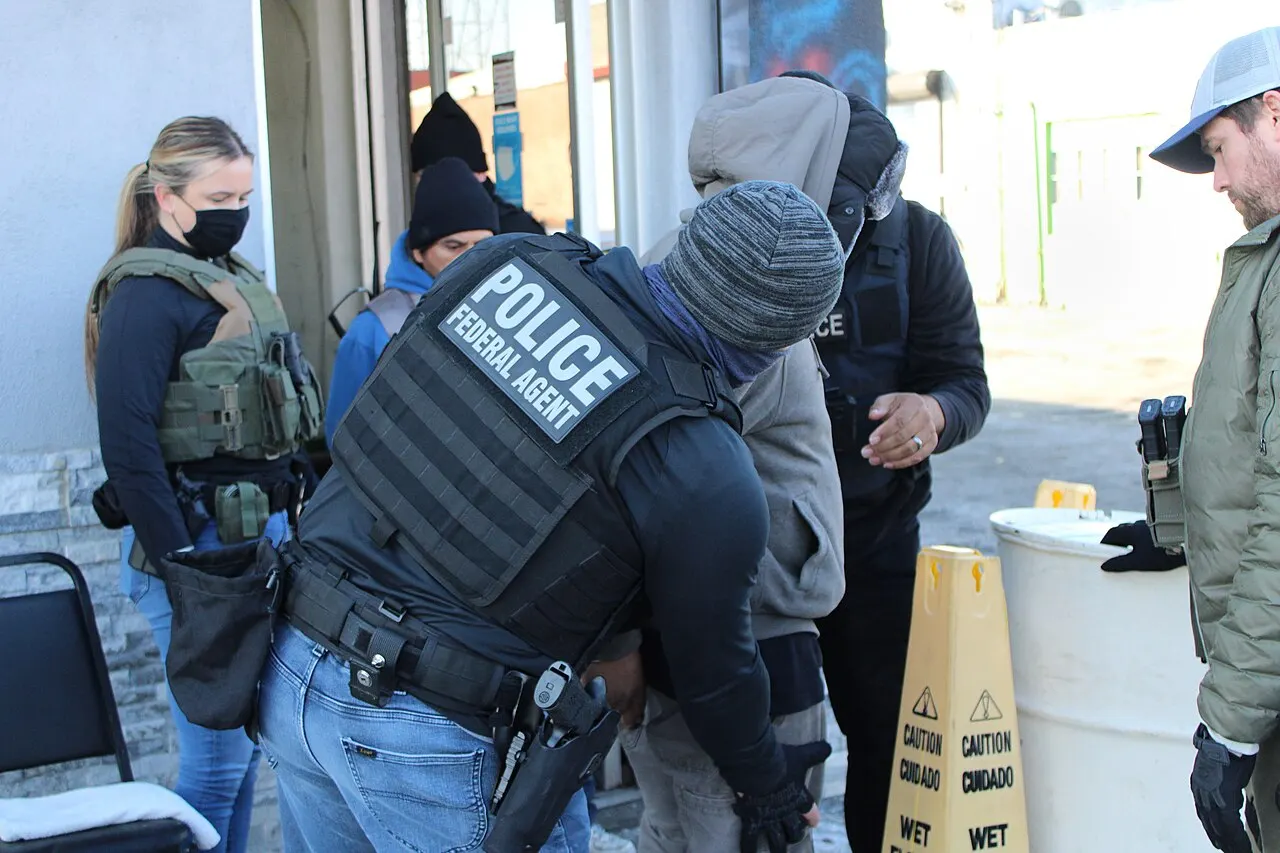
Immigration and Customs Enforcement is now the highest-funded federal law enforcement agency in the country. Congress awarded ICE and Customs and Border Protection around $240 billion across 2025 and 2026, NPR reported, enough to run the mass deportation operation for the rest of Trump's term. Even if the new Congress wanted to claw that money back, the president has already signaled he would block it, saying after the election he would welcome the nickname "Mr. Veto."
What Democrats can do is investigate. Rep. Robert Garcia of California, set to chair the House Oversight Committee, told Republicans on Election Day to "lawyer up" and has promised to dig into ICE accountability. Rep. Bennie Thompson of Mississippi, expected to lead the House Homeland Security Committee, said he wants to legally require body-worn cameras for federal immigration agents and ban them from wearing face coverings. Thompson said the system "has to have accountability" for the people who work in it.
The win itself was powered in part by [young voters who turned out for Democrats in large numbers](/article/gen-z-powered-democrats-midterm-win). The administration, meanwhile, is doubling down. The day after the election, Homeland Security Secretary Markwayne Mullin posted three words: "Deportations will continue." Days later, the White House promoted Stephen Miller — the official widely seen as the architect of the first Trump administration's family separation policy and a driving force behind turning warehouses into detention centers — to chief of staff.
What it means for the US
For most Americans, this fight will not play out in Washington hearing rooms. It will show up in neighborhoods, schools and workplaces.
The ACLU's Naureen Shah argues the link is direct: when people are afraid to take their children to school or show up for work, classrooms and the labor force both take a hit. Democrats now have a platform to make that case in public, through hearings and subpoenas that put ICE officials in front of cameras.
But the money cuts the other way. With roughly $240 billion already approved, ICE does not need new funding to keep operating — and the private detention industry knows it. The day after the midterms, the two big detention companies, CoreCivic and the GEO Group, held investor calls. CoreCivic President Lucibeth Mayberry said ICE had the secure funding to keep ramping up enforcement, and urged the agency to move quickly on buying new detention centers. The administration has already spent billions expanding detention facilities, where a record number of deaths have been reported since the start of Trump's second term.
Vice President JD Vance offered a different read on the election: he blamed the Republican losses on the economy, inflation and the war with Iran, leaving immigration enforcement off the list. He did say he was open to shifting tactics toward businesses that hire undocumented workers — while ruling out amnesty.
What happens next
[Congress returns to Washington](/article/congress-returns-lame-duck-session-funding-deadline) with the funding fight and the oversight fight on separate tracks. Democrats will take up committee gavels in the new Congress and can start hearings and subpoena demands. Whether any of that changes ICE's behavior depends on whether the agency fears losing money or facing public questioning — the leverage Shah says oversight must create. For a fuller picture of the new majority's options, see [what the Democrats' win means and what happens next](/article/democrats-won-congress-what-happens-next-explained).
In Texas, Governor-elect Hinojosa faces immediate pressure from advocates to end the state's partnership with ICE on day one, and to push for driver licenses for undocumented immigrants. Houston's mayor is already scaling back local police cooperation with the agency.
The administration's message, for now, is unchanged: deportations continue, and the funding to carry them out is already in hand.