What happened
Estonia will close its border crossings with Russia from 1 December, after accusing Moscow of being behind an attempted arson attack on a drone factory north of Tallinn.
Prime Minister Kristen Michal said the break-in on Saturday was part of what he called Russia's "broader hybrid war against Europe". The alleged attackers were arrested. Local media reported the suspects are Latvian, and said they broke into the plant and tried to set it alight with flammable liquids.
The factory is operated by Threod Systems, which makes attack and reconnaissance drones. Ukraine and NATO member states are listed as customers on its website. Michal said "extensive damage was averted thanks to heightened security measures", and the head of Estonia's internal security service described the incident as attempted Russian sabotage.
Moscow rejected the accusation on Monday, calling it "baseless". Kremlin spokesman Dimitry Peskov said Estonia was "building a wall" between the two countries, adding: "Many countries, as history demonstrates, have built walls that have brought nothing good to those who erect such walls."
Why it matters
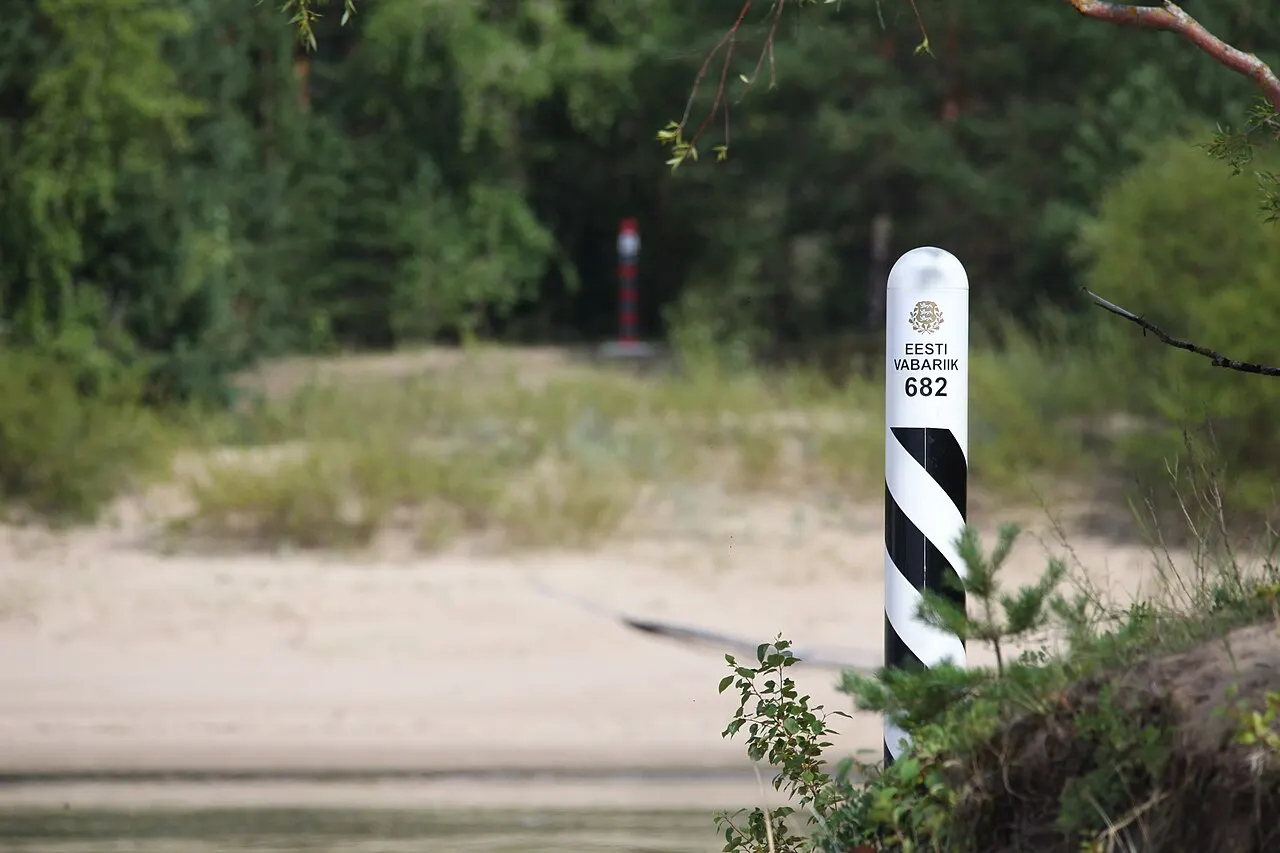
Estonia shares a border of about 338 kilometres (210 miles) with Russia, spanning land and sea. Three road crossings are still in operation, though they are already restricted. One sits at Narva, Estonia's third-largest city, which has a large Russian-speaking population. Closing them will complicate daily life for families living on either side of the frontier.
The move is the sharpest response yet from a Baltic state to a campaign European leaders say Russia has been running against their infrastructure since the full-scale invasion of Ukraine in 2022. [Putin has raised his demands for a Ukraine peace deal after recent talks with the US](/article/putin-raises-demands-for-ukraine-peace-after-us-talks), and Baltic leaders have repeatedly warned about the Kremlin's territorial ambitions. France, Germany, the UK and Poland have all said in recent months that Russia has orchestrated attacks on their soil.
Last year, six men were jailed in the UK over an arson attack linked to Russia at a London warehouse where aid bound for Ukraine was stored. Estonia's decision turns a pattern of accusations into a concrete border policy, and other NATO states will be watching whether it becomes a template.
What it means for the US
Estonia is a NATO ally, and the alliance's credibility rests on members standing behind each other when Russia tests them. A sabotage attempt on a factory supplying drones to Ukraine and NATO states is not a distant European problem: it targets the same supply chains the US relies on to arm Kyiv.
The US is also a party to the [peace diplomacy around Ukraine](/article/us-floats-ukraine-ceding-donbas-for-nato-membership), and the incident lands as [Trump prepares to meet Putin and Xi in China](/article/trump-putin-xi-joint-meeting-china). For Washington, the attack underlines the argument that Moscow's pressure campaign extends well beyond the battlefield, and it will feed into debates over NATO deterrence and defence spending in Europe.
What happens next
The border closure decision is expected to be finalised next week, according to local media, and would take effect on 1 December. Details of what the closure covers — vehicles, pedestrians, freight — have not been published yet.
The arrested suspects face investigation, and Estonian authorities have not said when charges might follow. Watch for a formal NATO response, for any Russian retaliation at the border, and for whether other Baltic states take similar steps.