What happened
Former Nvidia chief executive Jensen Huang has been summoned to testify before Congress about his alleged affair with a woman suspected of being a Chinese spy, days after he abruptly quit one of the world's most valuable companies.
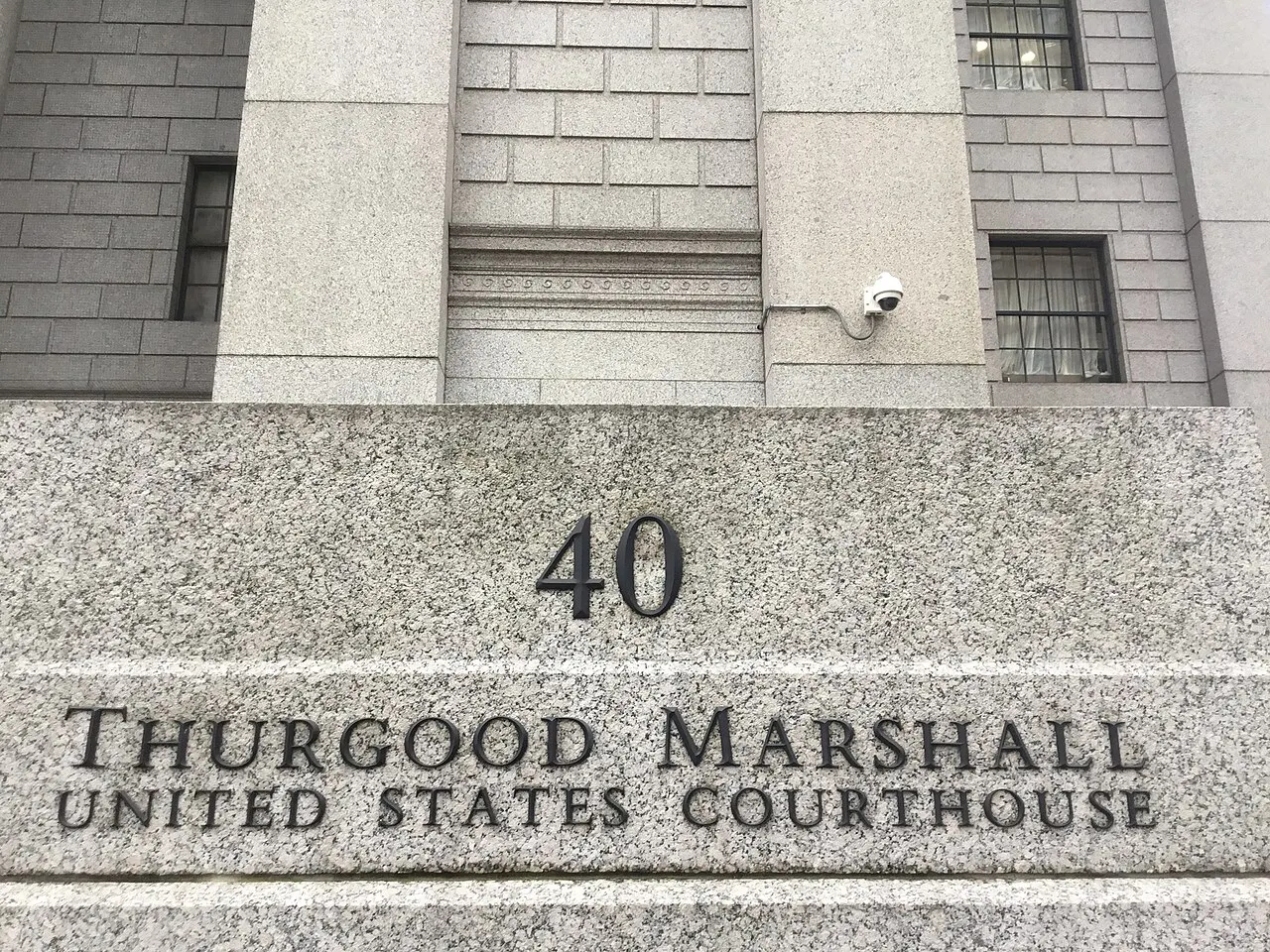
Senator Tim Scott, a South Carolina Republican, sent letters on Thursday asking Huang and Commerce Secretary Howard Lutnick to appear before the Senate Banking Committee. Scott asked Huang to appear voluntarily on 3 December, and warned the panel could issue a subpoena if he refuses.
Three House committees have also called Huang in. The intelligence and foreign affairs committees, along with a panel on China, summoned him for a closed-door interview on 1 December.
Huang stepped down as Nvidia's chief executive on Thursday, a week after reports surfaced that he had an affair with Alice Huang, a woman the New York Times has described as a suspected Chinese intelligence asset. The two are not related. [His sudden exit ended a 33-year run at the top of the chipmaker](/article/nvidia-ceo-jensen-huang-steps-down-amid-spy-scandal).
Why it matters
The scandal has already cost Nvidia dearly. The company has lost $550 billion in stock market value in just five days, its worst five-day drop since it went public 27 years ago. Its market value is now down 31% from a peak reached only a few weeks ago, after rising more than 470% over the past five years.
The questions facing Huang go beyond his personal conduct. Nvidia's powerful AI chips sit at the center of the US-China technology race, and lawmakers want to know whether sensitive American technology was put at risk. Nvidia has said it has "no reason to believe that either national security or Nvidia secrets were compromised", and has promised its independent inquiry will examine all available information.
Attorney General Todd Blanche said on Thursday that the Department of Justice had not yet drawn any conclusions about whether Alice Huang engaged in espionage for Beijing. China has rejected the allegation as a smear. Alice Huang, who worked as an executive at the Singaporean firm Megaspeed, has not commented publicly.
Huang admitted on Sunday that he had been "unfaithful" to his wife. On Wednesday, US media reported a second relationship, this time with longtime Nvidia executive Kimberly Powell, who reported directly to him. Sources told the BBC that Nvidia employees had noticed the pair were unusually close. Nvidia officials have repeatedly declined to comment since Wednesday.
Chief Financial Officer Colette Kress was named interim chief executive on Thursday while Nvidia searches for a permanent replacement.
What it means for the US
Congress is treating the affair as a national security question, not a private scandal. Senator Scott said the reports "raise serious concerns about our national security and the protection of sensitive US technology", and the summons puts both Huang and the commerce secretary on the record about how America's most advanced chips are guarded.
Lutnick's testimony matters just as much. Unnamed officials in President Donald Trump's administration have briefed US media that the commerce secretary stalled efforts to tighten export restrictions on advanced AI chips to China. A commerce department spokesperson said Lutnick had "proactively" agreed to appear before the committee.
The stakes reach beyond one company. Nvidia's chips power the AI systems American firms, universities, and the military rely on, and Washington has spent years trying to keep the most advanced versions out of Chinese hands. [That export fight is the core of the wider US-China chip war](/article/us-china-chip-war-explained). If the hearings show the controls were weakened from inside, expect fresh pressure for tighter rules and tougher enforcement.
What happens next
Huang is due before the House committees behind closed doors on 1 December, then before the Senate Banking Committee on 3 December if he appears voluntarily. If he refuses, the Senate panel can compel him with a subpoena.
Lutnick is also expected to testify in December. Nvidia's independent inquiry into whether its chief executive was the target of a foreign intelligence effort is still running, and the company has yet to name a permanent successor to Huang.