What happened
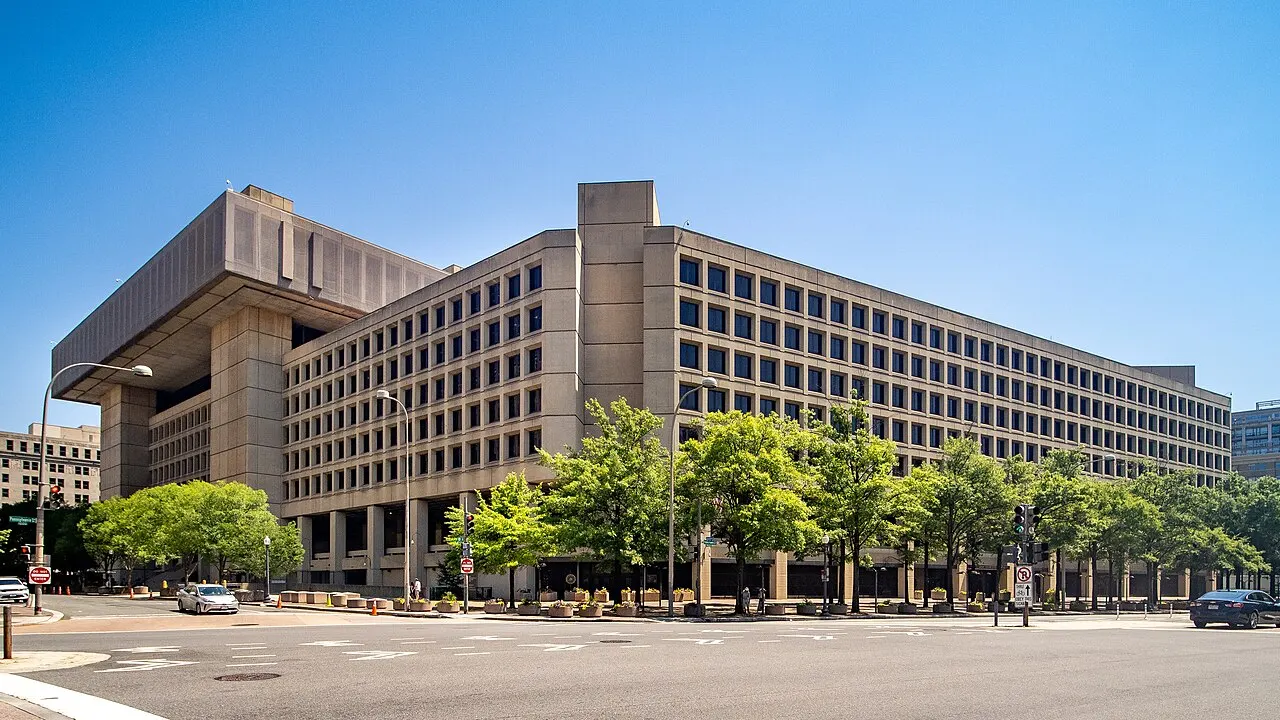
Two US government agencies were hacked in the same week. Reports on Friday said the FBI is investigating an apparent breach of the National Crime Information Center, the database federal, state and local police use to share warrants, missing-persons records and background checks. NBC first reported a separate hack at the US Department of Agriculture the same day.
President Donald Trump confirmed the FBI breach in a Fox News interview on Saturday. "We just heard about it and I will say that it's not good," he said. Trump also suggested the breach could surface new information, saying, "Maybe we'll learn about the voter fraud, all the voter fraud that took place," and asking, "Wouldn't it be great to learn about Russia, Russia, Russia?"
The scope of the FBI breach is still unclear. A former FBI official told CNN the worry goes beyond stolen data: officers depend on the NCIC being accurate, and the open question is whether hackers could compromise the information itself.
At the USDA, Reuters reported that a payments database is the known extent of the intrusion so far. Former officials warned the compromised system could open a backdoor to more sensitive material, including food safety data and research on animal-borne illnesses.
Why it matters
The NCIC is not a back-office system. It is the shared record police across the country check during traffic stops, arrests and background checks. If criminals can read it, they can learn what police know. If they can alter it, officers could act on false warrants or miss real ones. That is why the accuracy question matters as much as the theft.
The timing adds to the pressure. The breaches came in a week of major outages at the FAA and the NSA, which the government has said were not cyberattacks. The White House national cyber director, Sean Cairncross, stepped down this week. [The White House removed its national cyber chief after a string of tech outages](/article/white-house-removes-cyber-security-chief-cairncross).
This is also the second reported FBI breach in a few months, and part of a wider run of federal hacks. In September, the FBI told agents and support staff their personal information had been stolen in a cyberattack, in a breach reports said allegedly compromised personal records of all FBI employees and applicants. In October, a hack of the Department of Homeland Security exposed about 40,000 employee records. The FBI itself has warned that AI tools are making network breaches faster: [one AI hacking tool can break into networks in under three hours, according to the bureau](/article/fbi-ai-hacking-tool-artex-breaches-networks-under-three-hours).
What happens next
The FBI investigation is still running, and neither agency has said who was behind the attacks or how the intruders got in. Expect the first answers to come in stages: confirmation of what was accessed, then whether anything was changed, then attribution.
The USDA faces a similar sequence, starting with whether the intrusion stayed inside the payments database or reached further. Until those checks are done, the practical risk for the public is limited but real: a crime database people trust has to be re-verified, entry by entry, before officers can rely on it the way they did.