What happened
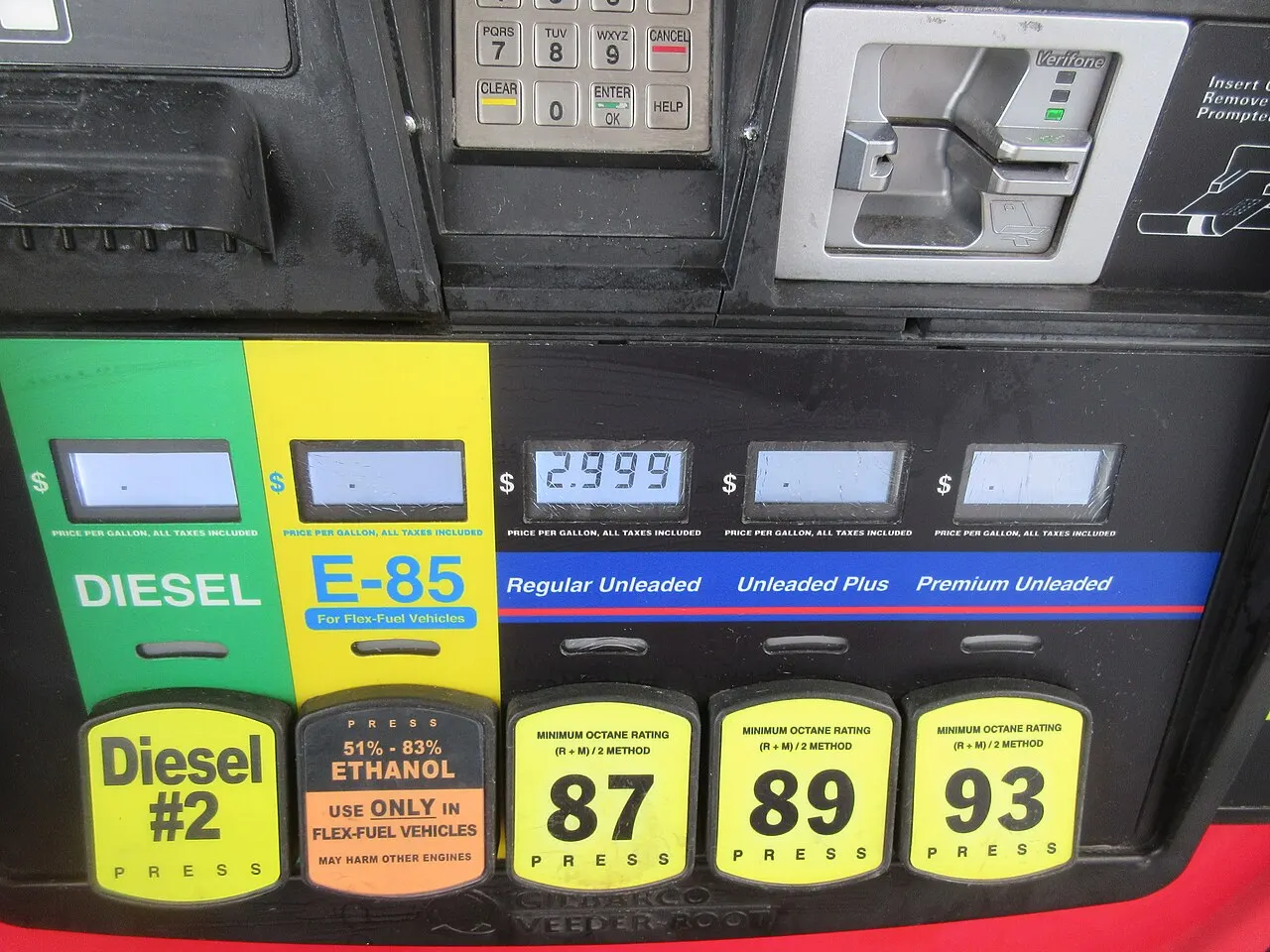
Drivers finally caught a break at the pump. The average price of regular gasoline dipped below $4 a gallon on Tuesday for the first time in three months, according to AAA. Regular gas now averages $3.98 a gallon nationwide, down 38 cents in the last month.
The rest of the cost of living did not follow. Consumer prices in October rose 0.4% from September, the Labor Department reported Tuesday, a bigger monthly jump than forecasters had expected. Rising housing costs accounted for about a third of the increase, and grocery prices rose sharply during the month.
Why it matters
The relief at the pump is real but thin. Gas is still at a record high for this time of year, about a dollar a gallon higher than when the U.S. went to war with Iran. Even with the recent drop, this year's Thanksgiving drive could be the most expensive ever.
Diesel tells the harder story. The average diesel price is $6.15 a gallon, down only about 13 cents from a month ago. The high cost is a byproduct of two wars: the U.S. war with Iran and Russia's war in Ukraine. Russia is ordinarily a big exporter of diesel, but that supply has largely dried up because of damage to Russia's refineries.
Heating oil is feeling it too, especially in the Northeast, where it is a close cousin of diesel. Mild fall weather has kept heating costs in check so far, but a blast of cold air could push them higher.
There is also a hole in this month's numbers. The report carries no year-over-year inflation reading, because last year's government shutdown idled hundreds of government price-checkers, so October 2025 prices were never recorded. The Cleveland Federal Reserve Bank estimated before Tuesday's release that consumer prices in October were up 3.7% from a year ago, against average wage gains of just 3.1%. The typical worker, in other words, is losing buying power. That squeeze helped drive last week's midterm turnout to 49.1% of eligible voters, the second highest for any midterm in more than a century — a surge powered in part by [young voters who turned out in force](/article/gen-z-powered-democrats-midterm-win).
What it means for the US
For American households, the split screen is the story: cheaper gas, but groceries, rent, and heating all still climbing. Higher diesel prices also push up the cost of moving goods by truck, train, and ship, and those freight costs are already showing up in prices. Economist Mike Reid of RBC Capital Markets said higher freight costs are passing through notably in heavily imported goods such as apparel, recreation goods, and IT equipment.
The Federal Reserve is watching the same split. Governor Christopher Waller, speaking Tuesday before the inflation release, suggested energy shocks could have more lasting effects on inflation than previously thought, and that the central bank may need to raise interest rates more aggressively than markets had expected. For borrowers, that means the cost of credit may stay high even as gas gets cheaper.
The politics of it are already set. Democrats swept last week's midterms in large part on affordability, and [what they do with their new congressional majorities](/article/democrats-won-congress-what-happens-next-explained) will now be judged against prices voters feel every week.
What happens next
GasBuddy analyst Patrick De Haan said the national average could reach $3.75 a gallon by Thanksgiving, "so long as we don't get any wild cards geopolitically." The next test is the weather: a cold snap in the Northeast would push heating oil higher, and any new disruption to oil supplies would show up at the pump fast. The next inflation report and the Fed's next rate decision will show whether October's 0.4% jump was a blip or a new trend.