What happened
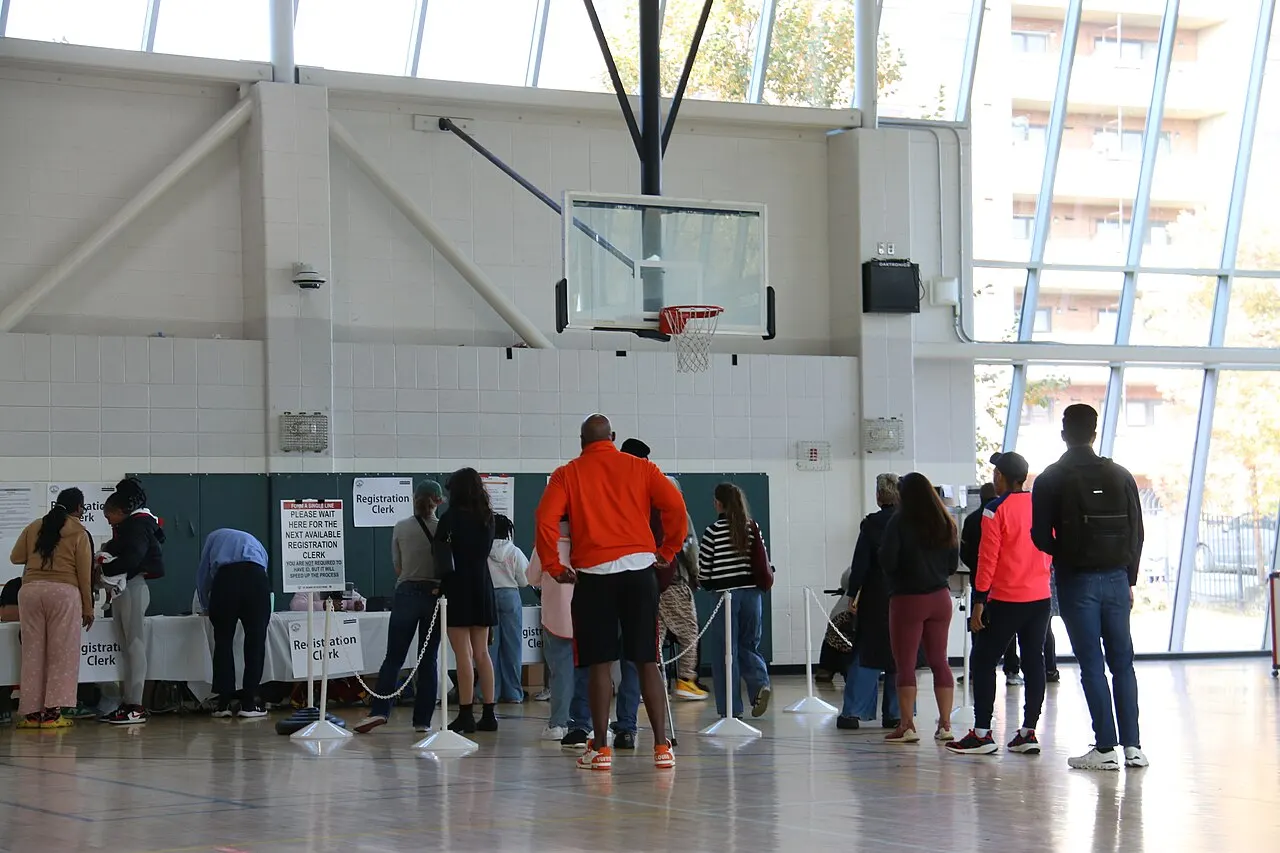
Democrats carried voters under 30 by nearly 50 points in Tuesday's midterm elections, according to exit polling reported by NPR. It is a sharp reversal from 2024, when voters under 30 moved toward Donald Trump, drawn by his promise to improve their economic prospects.
Young voters were a small share of the electorate, 11% of the total vote, but they mattered most on the margins, in House and Senate races where Democrats flipped seats. Texas showed the gap most clearly: Democrat James Talarico won the Senate race by 12 points overall, but by 60 points among Gen Z voters alone.
Why it matters
The economy drove the shift. For 43% of voters aged 18 to 29, economic issues were the top concern. More than eight in 10 said Trump's policies have made economic conditions worse, and similar shares opposed his tariff strategy and the decision to go to war with Iran.
Early analysis from CIRCLE, which studies youth voting, found that 15% of young people who backed Trump in 2024 voted for a Democratic House candidate this time. Democrats also gained with young white men and Latino men, two groups that narrowly backed Republicans in 2024 and voted Democratic by double digits on Tuesday, and narrowed their deficits with young rural voters and voters without college degrees.
Some of the swing may also reflect young Trump voters staying home, though it is not yet clear how many did.
What it means for the US
The result is a warning to both parties. By 2028, Gen Z and millennial voters will make up more than half of the electorate. Neither party owns the youngest voters: they backed Trump in 2024 and Democrats in 2026, and pollster John Della Volpe, who runs the Harvard Youth Poll, put it plainly: "Every candidate, every party has to earn their votes."
For Washington, the message is economic. Young voters rewarded a change-focused message and punished a president they say failed to deliver on prices. The [Democrats' House win](/article/democrats-won-congress-what-happens-next-explained) now sets up a new Congress, and the next fight over the economy will be fought with this generation watching.
What happens next
Della Volpe cautioned against overreading one election, saying analysts still need to understand who showed up and who stayed home. The October Harvard Youth Poll had already flagged an enthusiasm gap: half of young Democrats said they definitely planned to vote, against a third of young Republicans and less than a quarter of young independents.
Elizabeth Matto, who directs the Center for Youth Political Participation at Rutgers University, said young voters can sway elections and are a voting bloc worth paying attention to. Both parties now have two years to prove it before 2028.