What happened
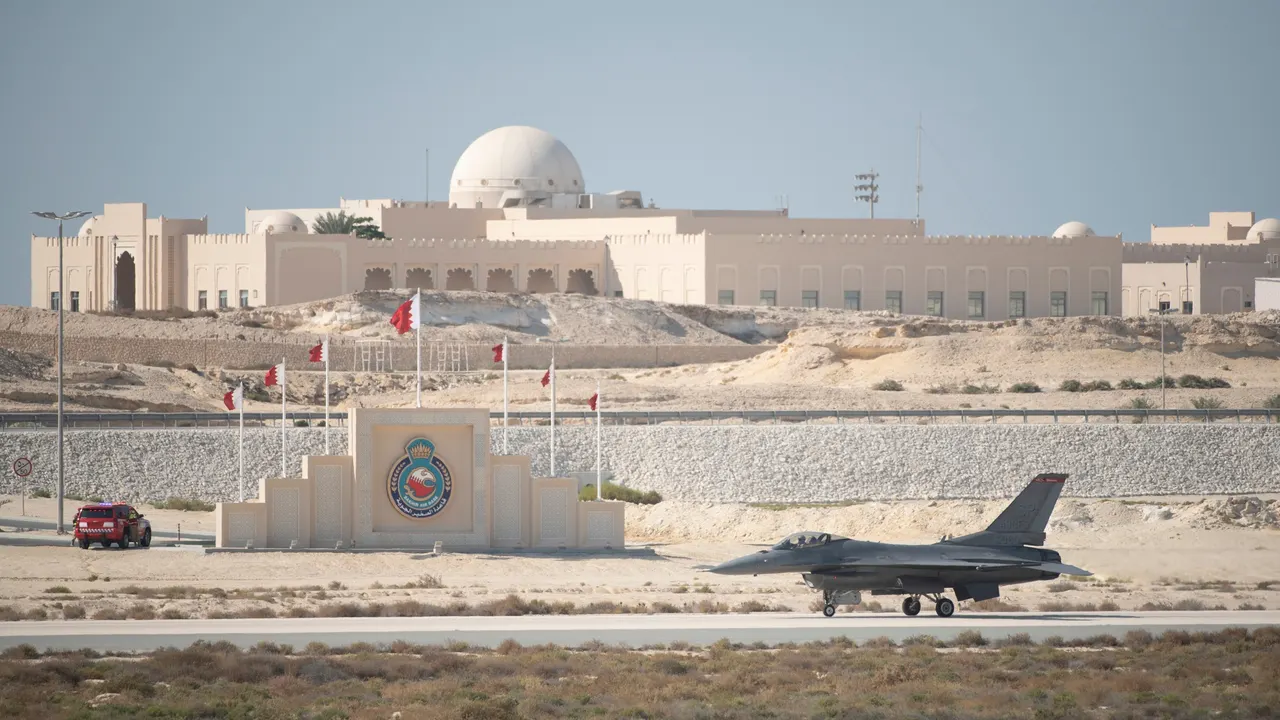
Bahrain says Iran launched a fresh round of air attacks on Sunday against Riffa Air Base, a facility used by the United States military. Bahrain's military said its air defenses intercepted several of the incoming aerial attacks.
Bahrain's foreign ministry called the strikes "a resumption of Iran's aggression" and said they violated international law. "No pretext can legitimise violations of state sovereignty," the ministry said. It added that Bahrain "rejects the use of its territory to settle accounts and holds Iran fully responsible for the attacks and their consequences."
Iran's Islamic Revolutionary Guard Corps has not commented on Sunday's attack. On Friday, the IRGC said it had hit a US early warning radar facility in Bahrain and destroyed it. Bahrain said it intercepted two drones that day.
Why it matters
Iran held back for weeks while the United States carried out intermittent strikes on Iranian military assets, telecommunications towers in the south in particular. That restraint appears to be over. In the past three days, Iran has fired twice at Bahrain, according to Al Jazeera's correspondent in Tehran, who described the shift as a new rule of engagement.
Tehran is framing the strikes as self-defence. Foreign ministry spokesman Esmaeil Baghaei said the attacks were justified under Article 51 of the UN Charter, which covers a state's right to defend itself. He accused Gulf countries of helping US strikes on Iran and said Tehran had documented their role, pointing to missiles, drones and aircraft launched from bases in neighbouring countries, along with logistical support for US forces.
The strikes land as international inspectors have voiced [fresh concern over Iran's nuclear programme](/article/iaea-increasingly-concerned-over-iran-nuclear-site), and they add to a crowded stretch of great-power diplomacy that includes a [planned trilateral summit in China](/article/trump-putin-xi-summit-explained) between the leaders of the US, Russia and China.
What it means for the US
American forces sit at the centre of this fight. Riffa hosts US military operations, and Iran says it is striking only US bases and assets used in attacks against Iran. That puts US personnel in Bahrain directly in the line of fire, and it turns Gulf states that host American forces into targets as well.
If the strikes on US facilities keep coming, Washington will have to decide how to answer without tipping a low-intensity exchange into a wider war. The Gulf hosts the backbone of the US military presence in the region, so any threat to those bases carries straight into American planning for the region.
What happens next
Iran says it is also pursuing the matter diplomatically. Baghaei said Tehran has documented the role of regional countries in helping US strikes and will "follow up on this issue seriously."
Bahrain says it holds Iran fully responsible for the attacks and their consequences. Jordan condemned the strikes as a flagrant violation of Bahrain's sovereignty and a threat to its security and stability. Egypt said it categorically rejects attacks that threaten the stability of the region and called the security of Bahrain and the Gulf states a pillar of Arab national security.