What happened
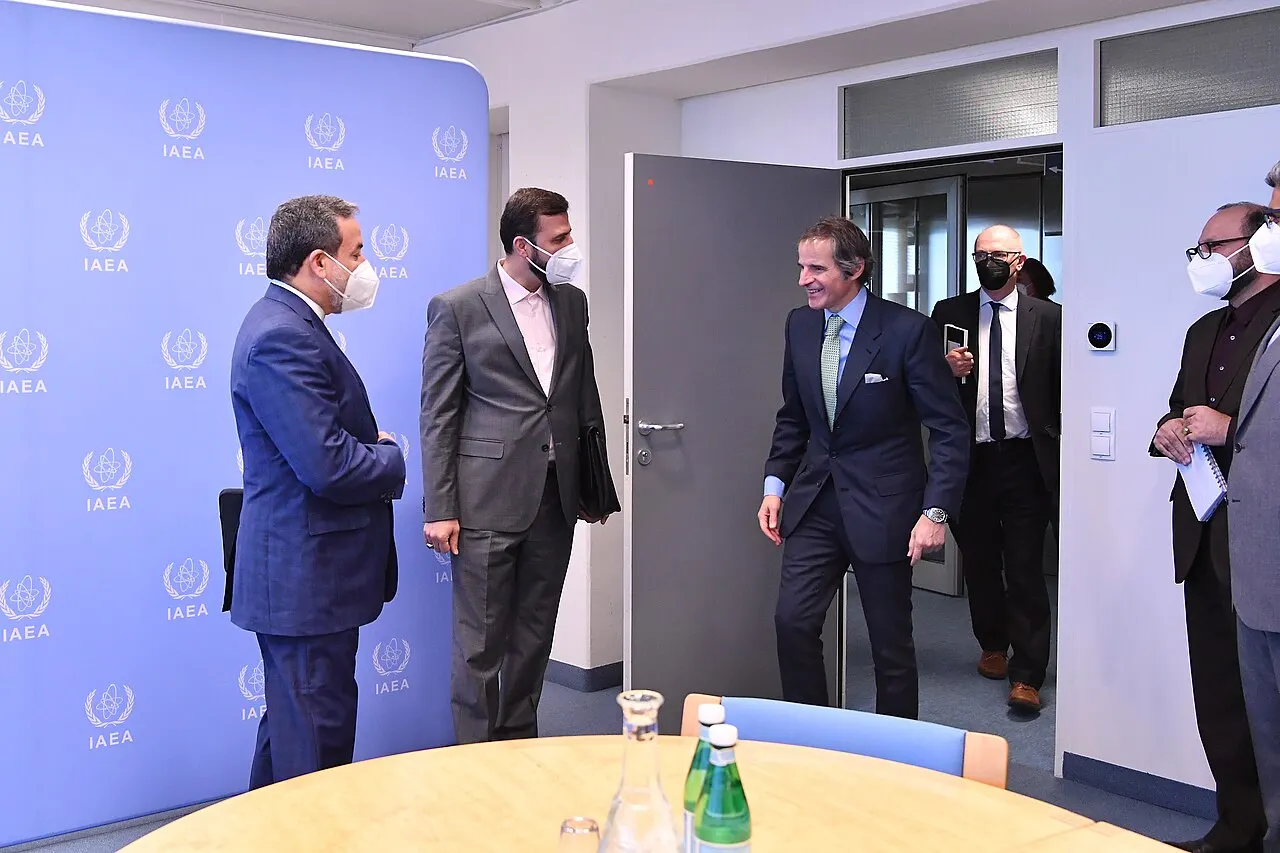
Iran's foreign minister, Abbas Araghchi, warned on Sunday that Tehran will "rain down hell" if the United States resumes attacks on Iran. In a post on X, he gave Washington a choice: accept Iran's two-day proposal, which calls for an end to fighting on all fronts, or face a response from what he called Iran's "alert and battle-hardened warriors."
"Our 2-day proposal stands: meet the requirements, including end to war on all fronts, and you will see results," Araghchi wrote. "Or choose war, and see our alert and battle-hardened warriors rain down hell."
President Donald Trump answered the same day. He said renewed US strikes are "highly unlikely" if talks move forward on Iran's nuclear programme and the reopening of the Strait of Hormuz. But he made clear the option stays on the table. In a phone interview reported by CNN, Trump said US forces have three aircraft carriers in the region "fully locked and loaded" and that 38 bridges in Iran are in US crosshairs, adding they could be knocked down "in literally one hour."
Araghchi's warning followed a fresh incident at sea. Iranian state media reported that an oil tanker caught fire on Sunday morning after hitting a naval mine east of the Strait of Hormuz. Iran's navy said the ship had switched off its identification systems and was sailing through a no-go zone of the strait.
An adviser to the Islamic Revolutionary Guard Corps' aerospace force added his own threat. Brigadier-General Ali Belali said Iran's armed forces are ready and that any mistake by the enemy would draw a "devastating and severe" response. He said Iran has upgraded its capabilities since the war and has weapons "secured for years to come."
Why it matters
The exchange is the latest turn in a conflict Al Jazeera describes as an eight-month war between the United States and Iran. Both sides are talking about a deal and threatening a wider war in the same breath, which keeps the region on edge.
The stakes go beyond the two countries. The Strait of Hormuz carries a large share of the world's seaborne oil, and a mine strike on a tanker there shows how fast shipping can become a target. Washington has already moved to choke off Iran's weapons supply lines, [launching a task force to cut Iran's weapons routes](/article/us-task-force-iron-gate-iran-weapons).
Talks have stalled since the US midterm elections. Araghchi said negotiations were delayed by the vote and that mediators need time before visits resume. "It will take some time for things to settle down and for the atmosphere to become conducive to the mediators resuming their visits," he said. "We have to wait."
What it means for the US
American forces and bases across the Middle East sit inside the range Iran is threatening. Araghchi's ministry said plainly that Iran would "not go easy on American targets" in the region, so any new round of strikes would put US troops at direct risk.
There is a cost at home too. A wider war in the Gulf would push oil prices up, and higher oil prices feed straight into US gasoline prices. The Strait of Hormuz is the chokepoint that matters most for that, which is why Trump tied his own conditions to its reopening.
Politics in Washington have also shifted. Democrats now control both chambers of Congress after [winning the midterms](/article/gen-z-powered-democrats-midterm-win), and a president who wants to keep striking Iran may face harder questions from a Congress run by the other party.
What happens next
Everything now waits on the mediators. Araghchi said Iran is waiting for the post-election dust to settle before talks restart, and Trump has set his own bar: a "very strong agreement" on the nuclear programme and the strait.
If the talks restart and make progress, Trump has said strikes are unlikely. If they stall, the carriers he described as locked and loaded are already in place. The next signal to watch is whether mediators resume their visits to Tehran in the coming days.