What happened
Iran said on Monday it will use "all available means" to counter the United States naval blockade, raising the stakes in a war that has now run for nearly nine months.
Foreign Ministry spokesman Esmaeil Baghaei made the vow at a news briefing in Tehran. "We will certainly not tolerate these actions and will use all available means to counter US aggression," he said.
Baghaei called the blockade an act of military aggression and said Iran is entitled under Article 51 of the UN Charter to defend itself by any means at its disposal.
The blockade was first imposed on April 13, lifted in June after Washington and Tehran reached a draft understanding, then restored on July 14 after that agreement collapsed.
The war broke out on February 28, when the US and Israel carried out air strikes that killed Iranian Supreme Leader Ali Khamenei and other senior officials, according to Al Jazeera. The fighting has since widened, with Iran launching missile and drone attacks across the region and armed groups it backs in Lebanon, Yemen and Iraq joining in.
Why it matters
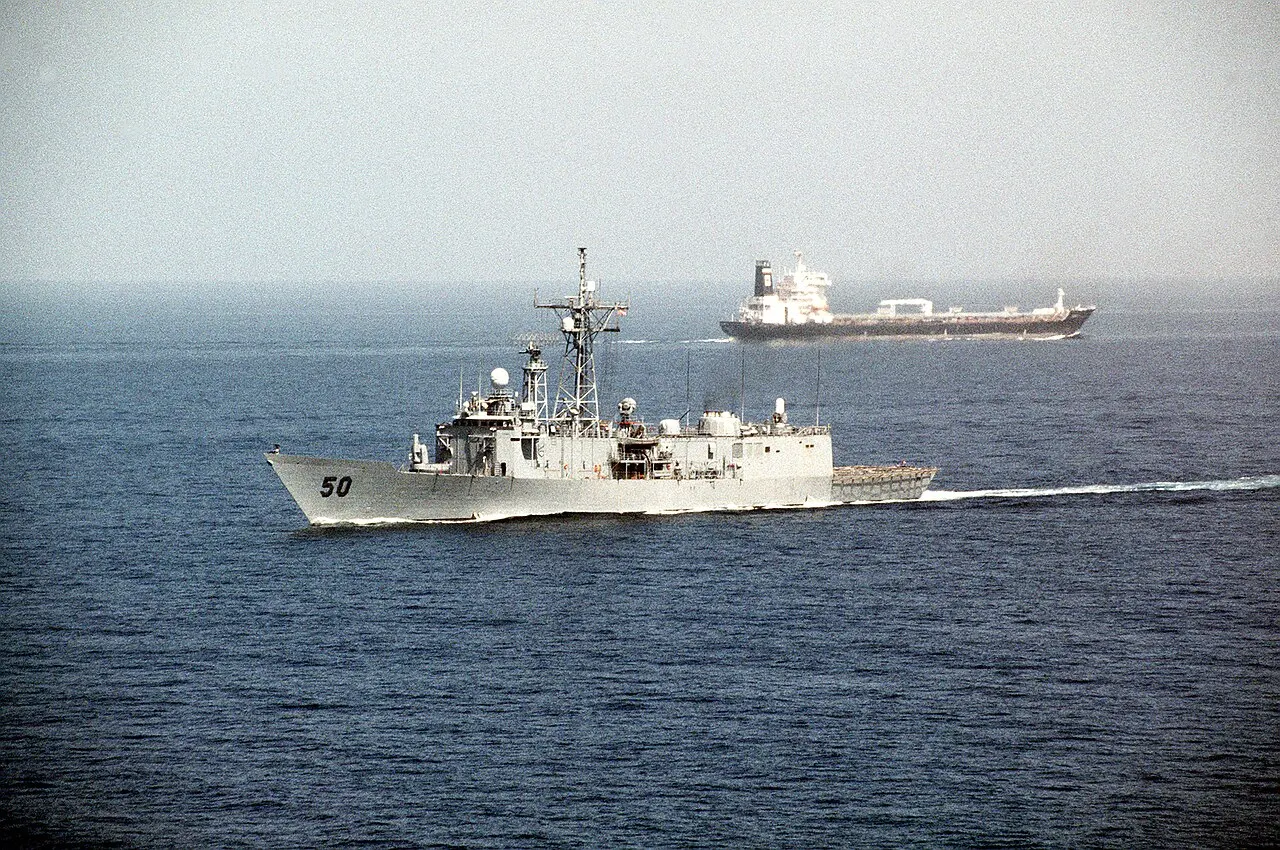
The Strait of Hormuz sits at the center of the standoff. Iran has been trying to block the waterway, which carries a large share of the world's oil and natural gas shipments. In response, the US imposed a blockade on Iranian ports, rolled out new sanctions and set up a task force to disrupt land routes into Iran, a mission we covered when Washington launched [Task Force Iron Gate](/article/us-task-force-iron-gate-iran-weapons).
The blockade is biting. Visible Iranian crude exports have fallen to near zero in recent months, and Al Jazeera's correspondent in Tehran reported that more than 80 percent of Iran's imports and exports move through the strait or its southern ports. Baghaei dismissed reports of Iranian tankers quietly loading crude as "speculation", though TankerTrackers.com said last week that one tanker was loading Iranian crude through a ship-to-ship transfer and could become the first vessel to export the country's oil since the blockade was reimposed in July.
Iranian forces have also announced in recent weeks that ships caught fire while using routes Tehran considers off limits, a sign the confrontation at sea is already turning physical.
What it means for the US
For American readers, the stakes run through gas prices and US forces in the region. Any sustained disruption in the Strait of Hormuz pushes up global oil prices, and that feeds straight into what Americans pay at the pump. The US Navy is also directly in the firing line: Al Jazeera reported that military action against US military assets around Iran is now being discussed in Tehran, and Iran has already struck US-used bases in the region, including [the air base in Bahrain](/article/iran-strikes-us-base-bahrain-riffa) hit earlier in the war.
The rhetoric also raises the cost of the US position. Washington has framed the blockade as economic pressure. Tehran now calls it an act of war and claims a legal right to respond with force. That gap leaves little room for miscalculation on either side.
What happens next
Diplomacy is stalled. Talks broke down after the June agreement meant to lead to a permanent settlement collapsed, and no new round is on the table. Iran says the strait could reopen within two days if Washington halts hostilities, lifts the blockade and waives sanctions. "If the American side fulfils its commitments, security can be restored to the Strait of Hormuz and the region in the shortest possible time," Baghaei said.
For now, though, the direction points the other way. Al Jazeera's correspondent in Tehran said escalation is now the main option on the table. With a [third US carrier already in the region](/article/third-us-carrier-reaches-middle-east-as-iran-diplomacy-stalls), the next move could come at sea.