What happened
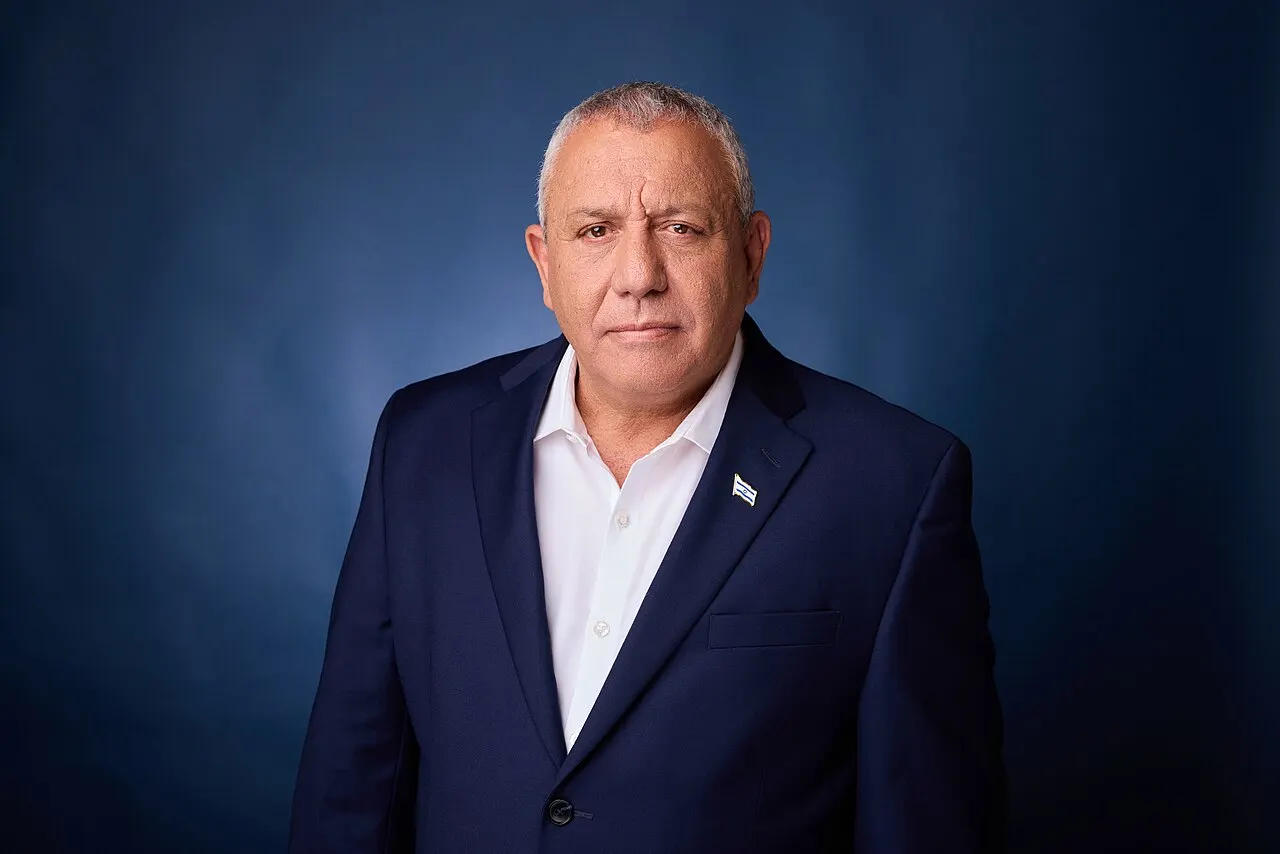
Israel's President Isaac Herzog has asked Gadi Eisenkot, the opposition leader, to form the country's next government, passing over Benjamin Netanyahu, the sitting prime minister.
Herzog told Eisenkot of his decision on Saturday evening and will formally hand him the mandate at a ceremony on Sunday. Eisenkot, a former army chief who leads the centrist Yashar party, now has 28 days to build a coalition, with a possible 14-day extension.
Neither side won a majority in the October 27 general election. Netanyahu's Likud won the most seats, 27, against 21 for Eisenkot's Yashar. But when Herzog consulted the parties this week, 67 lawmakers endorsed Eisenkot to form a government, while only 46 backed Netanyahu.
Eisenkot's four-party alliance took 48 of the Knesset's 120 seats. Netanyahu's right-wing and religious bloc took 53. Both fell short of the 61 seats needed for a majority. Arab-led parties, representing Palestinian citizens of Israel, won a record 19 seats.
Why it matters
The decision is a sharp setback for Netanyahu, Israel's longest-serving prime minister, who won the most seats yet could not turn that into a governing majority. It also puts a former general who broke with him over the Gaza war in the driver's seat.
Eisenkot led the Israel Defense Forces from 2015 to 2019. He joined Netanyahu's emergency war cabinet after the October 7, 2023 Hamas attacks, then left the following year, accusing Netanyahu of failing to make progress toward ending the war in Gaza and bringing the hostages home. He lost his son Gal, a reservist killed in Gaza, and two nephews during the war.
The math ahead is tight. Eisenkot has ruled out forming a government with the Arab-led parties, which would give him a 67-seat bloc. Winning over the two ultra-Orthodox parties, United Torah Judaism and Shas, would give him exactly 61 seats, the bare minimum. He could also govern with fewer than 61 seats if he wins a confidence vote in parliament.
Netanyahu warned hours before Herzog's decision that a government formed by opposition parties with Arab-led support would lead to Israel's collapse.
What it means for the US
Israel is America's closest ally in the Middle East, and a change of prime minister changes who Washington deals with on the two files that dominate the relationship: Gaza and Iran.
Eisenkot's break with Netanyahu came over the Gaza war, so a government led by him could shift how Israel handles the ceasefire and the hostages, both issues the United States has pressed on. President Donald Trump [endorsed Netanyahu nine days before the election](/article/trump-endorses-netanyahu-nine-days-before-israel-election), so the outcome also tests how much weight that backing carried with Israeli voters.
On Iran, the region is already tense. [Iran said on Saturday that its missile production now runs from underground sites](/article/iran-missile-production-underground-sites), while [the US and Iran are feeling out diplomacy as war threats loom](/article/us-iran-talks-explained). Whoever leads Israel will shape how Washington's closest partner in the region responds.
What happens next
Eisenkot has 28 days, plus a possible 14-day extension, to assemble a coalition of at least 61 seats. If he fails, Herzog will nominate another candidate. If that effort fails too, a majority of lawmakers can back a third candidate, who gets a final 14 days.
If no government is formed, a new election will be called within 90 days, with Netanyahu staying on as caretaker prime minister.