What happened
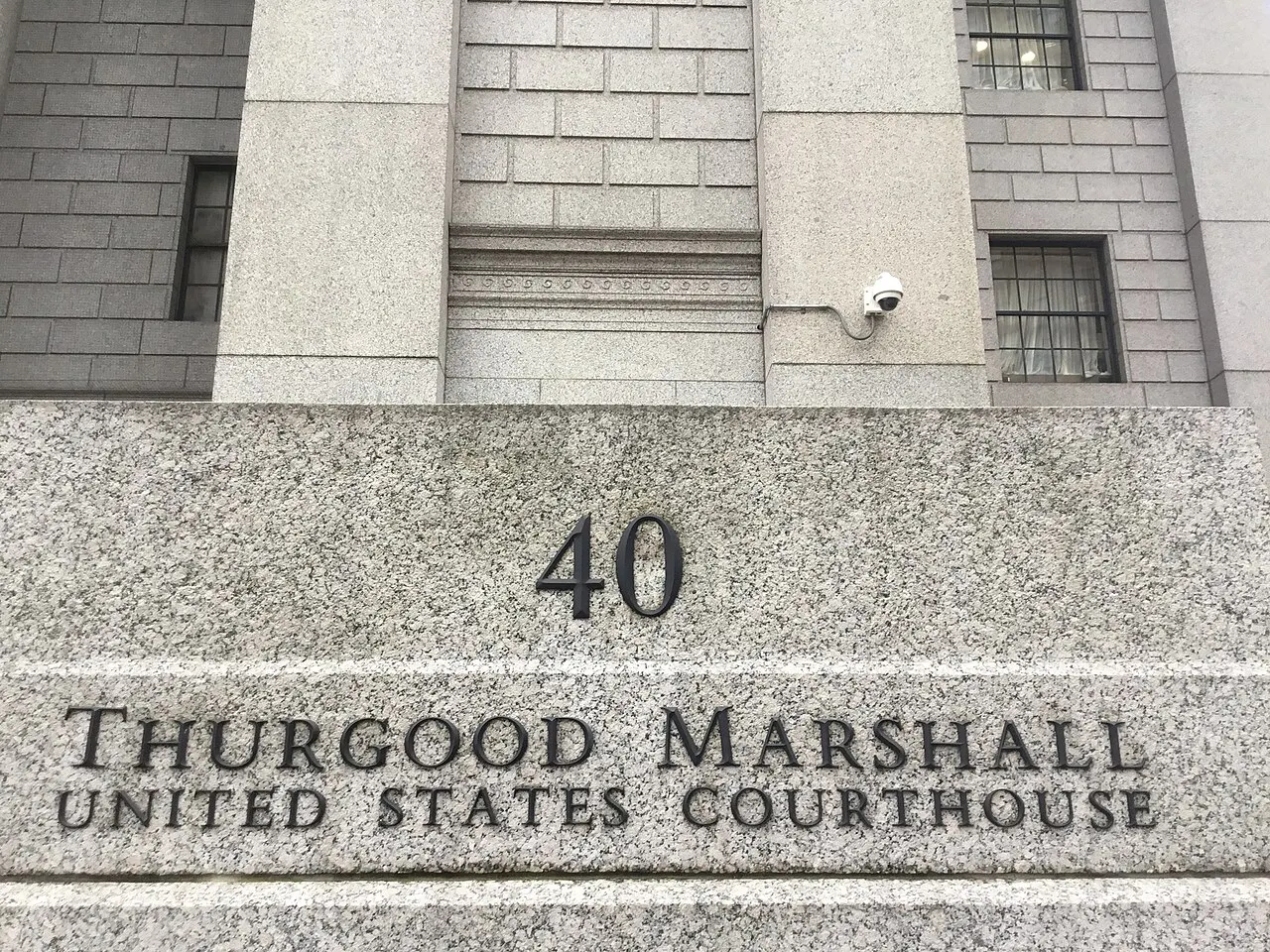
A federal judge has temporarily blocked the Trump administration from closing East Potomac Park and its golf course in Washington, DC. US District Judge Ana Reyes issued a 30-page ruling on Saturday, one day before the course was due to shut.
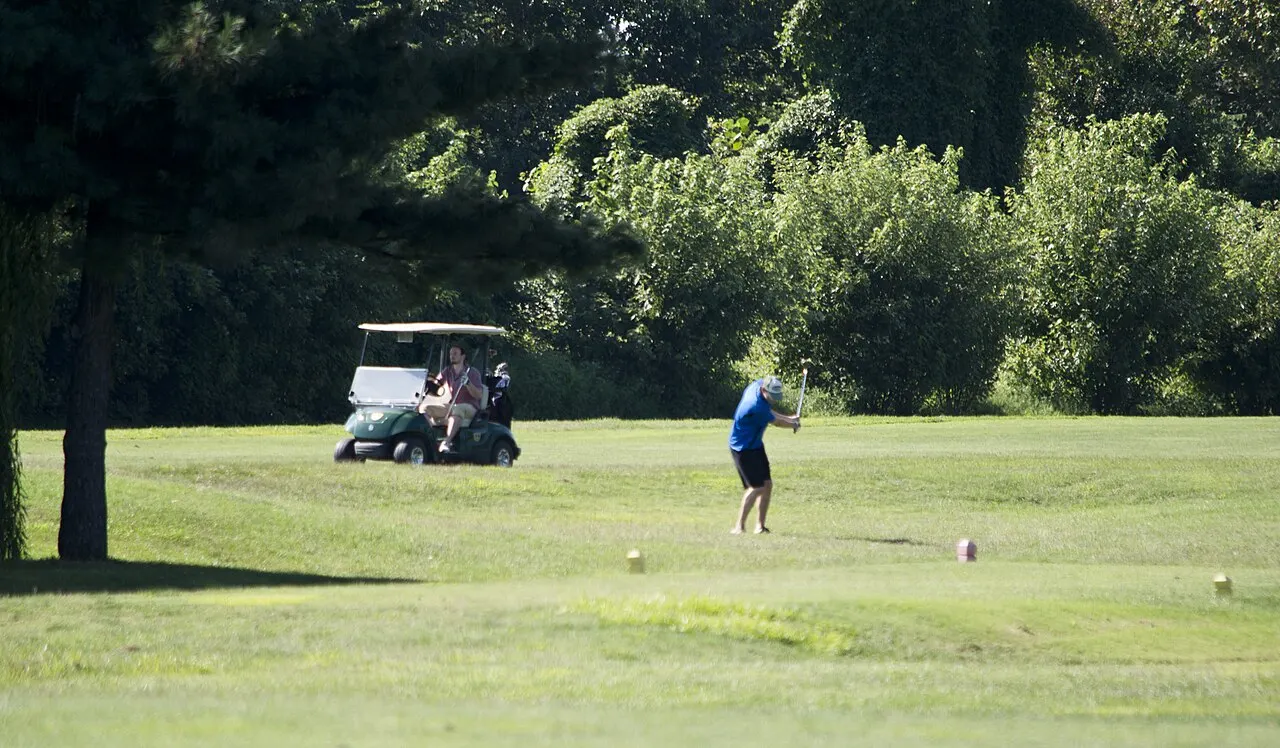
The course was set to close on Sunday, 15 November, for 15 months of renovations. President Donald Trump announced the plan in October, calling the 106-year-old course "Trash Island" and saying he would rebuild it as a championship venue. In a post on Truth Social, he described the course as "old, broken, dilapidated and of no further use or effect."
Reyes ruled that the administration cannot close the park or the course, though she said the government is not required to actively manage either one. She found the administration's stated reasons for the closure were pretextual and said the government had violated at least two federal laws "to meet an arbitrary deadline."
Why it matters
East Potomac Golf Links sits two miles south of the White House and is one of three public courses run by the National Park Service in the capital. It has served Washington golfers for more than a century, and the fight over its future has become a test of how far a president can go in reshaping federal parkland.
The dispute began in February, when the DC Preservation League and others sued over redevelopment plans for the park. It escalated in October, when the Park Service cut down hundreds of trees and told the judge only 15 hours before the work began. Reyes then ordered tree removal to stop until at least 26 October and required three business days' notice before any other permanent changes.
Trump pressed ahead anyway, announcing the 15-month closure despite the court order. The ruling is the latest in a series of court challenges to the president's building plans in the capital, including a [lawsuit over a proposed 250-foot arch at Arlington](/article/kennedy-family-sues-trump-arch-arlington-jfk-grave) and a [separate case in which a judge is weighing whether to block that project](/article/trump-arch-nears-approval-judge-weighs-block).
A coalition backing the plaintiffs, including Democracy Forward and the Democracy Defenders Fund, welcomed the order. The groups said the ruling stops the government from closing the park without a fair and public process, and they vowed to keep arguing the case in court.
What it means for the US
For now, one of the capital's public golf courses stays open. The ruling also sets a marker for the limits of presidential power over national parkland: a judge found the administration broke the law in rushing a closure, not in proposing the renovation itself.
The case matters beyond golf. The Park Service manages hundreds of public sites across the country, and the ruling could shape how courts treat fast-tracked changes to public land. The BBC said it has contacted the White House for comment.
What happens next
The temporary restraining order runs until 28 November, and the case will continue in court. Separately, Reyes has opened an inquiry into whether Justice Department lawyers misled the court or broke ethical rules, including whether the late notice about the tree cutting was given in bad faith. She said a special master, an independent third party, will carry out the inquiry.