What happened
A federal jury in Los Angeles convicted Jonathan Rinderknecht, 30, on Friday of starting the fire that became the deadly Palisades Fire. Jurors found him guilty on two counts: destruction of property by means of fire, for the Jan. 1, 2025 blaze known as the Lachman Fire, and arson, for the Palisades Fire itself.
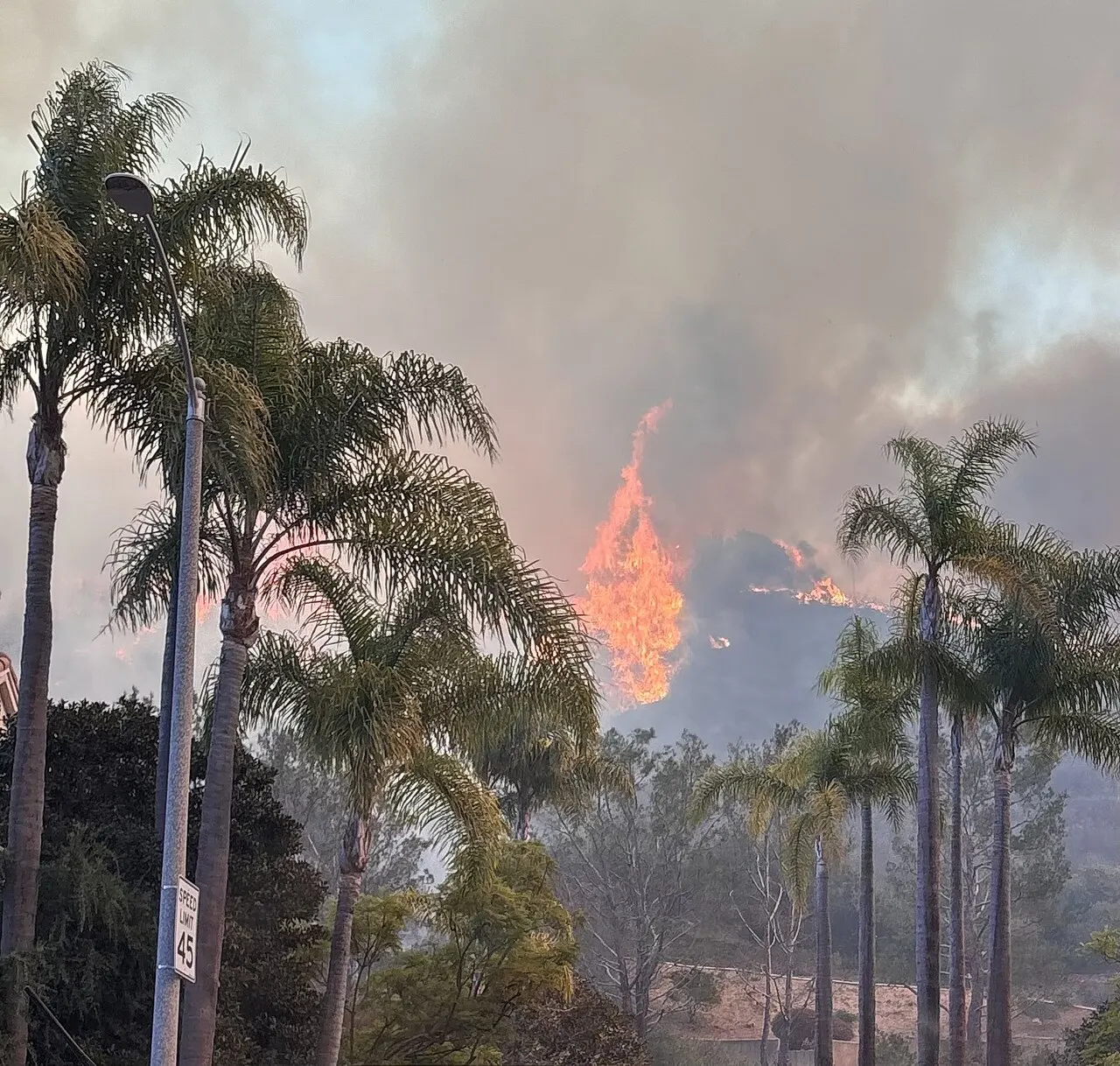
Prosecutors said Rinderknecht lit the Jan. 1 fire on a hillside above Pacific Palisades. It burned undetected deep in root systems for six days, then flared back up on Jan. 7 and tore through neighborhoods in Los Angeles and Malibu. Twelve people were killed. It became one of the most destructive wildfires in California history.
The verdict came on the third day of deliberations. Rinderknecht, who had pleaded not guilty, showed little reaction and hugged his attorneys before leaving the courtroom.
The case had already been tried once. In June, the first jury deadlocked 10 to 2 in favor of acquittal after a two-week trial, and the judge declared a mistrial. Prosecutors filed a new indictment for the retrial and dropped a third charge of timber set afire.
Why it matters
The retrial turned on a tighter, more focused case. Prosecutors presented digital forensic data and expert testimony, and zeroed in on evidence placing Rinderknecht at the fire's origin: photographs showed his car parked at the base of a trail leading up to the hill, cellphone tower data tracked his movement there, and fire detection cameras pinned down the window when the blaze ignited. Experts ruled out every other source of ignition that night, including fireworks.
They also showed the jury Rinderknecht's state of mind in the hours before the fire, through testimony from Uber passengers and texts to his girlfriend at the time. "He was mad at everything, and frustrated," Assistant U.S. Attorney Mark Williams told the court.
After the fire began, Rinderknecht called 911 more than a dozen times as he walked down the hill, and prosecutors played the video he screen-recorded on his phone while calling. As he was calling, he asked ChatGPT: "Are you at fault if a fire is lit because of your cigarettes?" Prosecutors said the calls and the question were part of an alibi he was trying to build.
The defense argued the origin was never proven. Its experts included a retired U.S. Forest Service fire investigator who said the fire started somewhere else. Prosecutors accused that investigator of perjury during cross-examination, saying he had not disclosed all his records, but the judge refused to strike his testimony. The defense also pointed to missing cell data records and a neighbor who said he saw a group of teenagers running away from the trailhead. Witnesses, including two neighbors and a local firefighter, said they heard a loud bang from the hill — but in the thousands of images collected from area cameras that night, none showed fireworks in the sky above it.
One juror said the case came down to Rinderknecht's own testimony. Juror No. 3, who gave only his first name, Cameron, said he was the only juror who started deliberations believing Rinderknecht was not guilty. "It took a lot for me to be convinced otherwise," he said. "After listening to every single point, I do now agree that he's guilty." What changed his mind, he said, was Rinderknecht saying he had been on the hill that night and had not smelled a fire or seen fireworks — and that no one else was on the hill.
Deadly fires have struck elsewhere in North America this year, including [a fatal blaze at a Canadian military base](/article/wainwright-military-base-fire-canada) that killed several people and injured dozens.
What it means for the US
The verdict closes the central question of the January 2025 fire siege: how the Palisades Fire started. For the families of the 12 people killed and the thousands who lost homes in Los Angeles and Malibu, it assigns legal responsibility nearly two years after the fire.
It also shows how federal arson cases are now built. Prosecutors leaned on cell tower records, trail cameras, and the defendant's own phone — the kind of digital trail that now sits at the center of major fire investigations. And the holdover-fire finding matters for fire policy: a fire that looks out can smolder in root systems for days and come back. That is a warning for fire crews and for homeowners in fire country across the West.
What happens next
Rinderknecht is set to be sentenced on March 17, 2027. Each count carries a mandatory minimum of five years and a maximum of 20 years in federal prison.
His attorney, Steve Haney, said the defense was disappointed but respected the jury process, and would review all its options — including an appeal — at the right time. Federal courts have imposed long terms in other recent cases: an Indian national was recently [sentenced to 19 years](/article/indian-man-sentenced-19-years-plot-kill-us-sikh-leader) in a plot to kill a US Sikh leader.
The top federal prosecutor in Los Angeles, Bill Essayli, called the verdict a "testament of the hard work" his team put into the case. He said he was "intimately familiar" with the strength of the evidence and was happy with the jury.