What happened
Meta president Dina Powell McCormick said Wednesday at the WSJ Tech conference that the Democratic wins in the midterm elections will make it harder for companies to build data centers. The backlash against data centers was very much on the ballot this election season, she said, and the industry has "not done as good a job as we needed to explain the benefits of these investments."
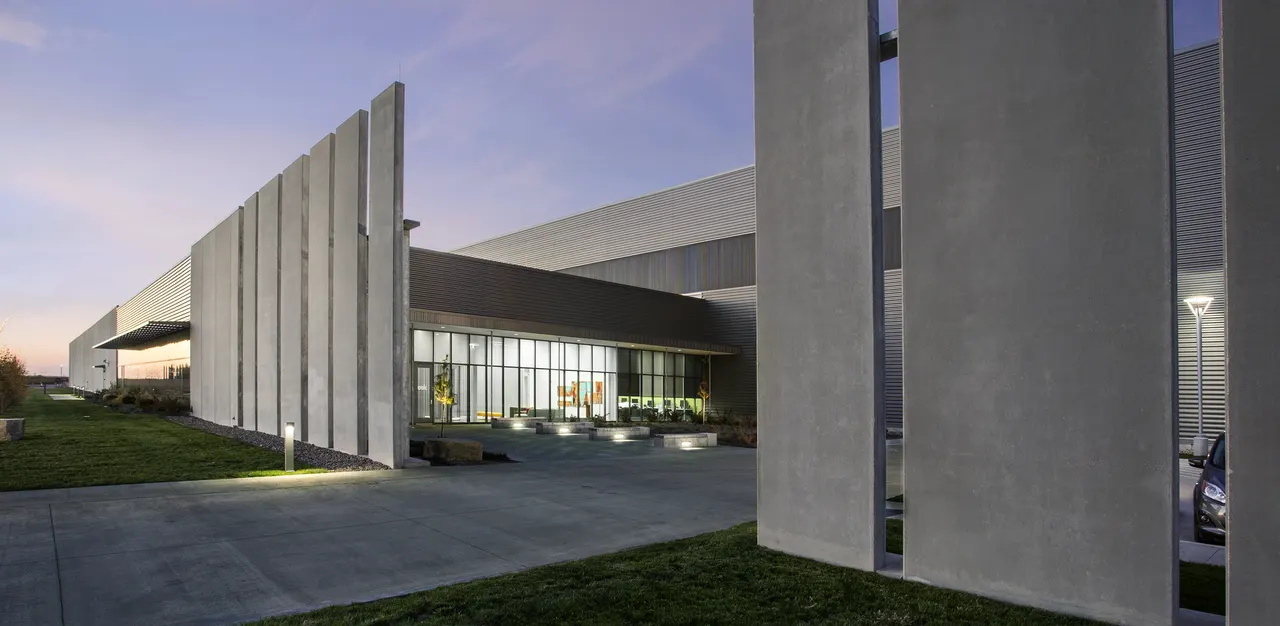
She framed the problem as bigger than zoning fights. "The visible sort of manifestation of AI is a data center, and it's something that people can say, 'I don't want this in my community,'" Powell McCormick said. Underneath that, she argued, is how people feel about AI in general.
Meta has built data centers for 20 years and now runs them in 23 states. Five of its planned projects, including one in Texas, are one gigawatt or larger. But the company now worries it could lose some of those investments after candidates ran and won on anti-data-center platforms.
Why it matters
Data centers are the physical backbone of the AI race. Every chatbot answer, image, and video model runs on compute housed in these buildings, and the US is competing with China to build the most of it. If local opposition slows construction, the bottleneck is not the technology. It is the permits, the power lines, and the town hall meetings.
The election results gave that opposition real political weight. [AI PACs spent millions trying to shape Congress](/article/ai-pacs-millions-shape-congress-mixed-results), with mixed results, and now the industry faces newly elected officials who campaigned against the very facilities it needs. Meta's answer is to show communities a direct benefit: paying for its own electricity, steering tax surpluses to teachers and first responders, hiring local workers, and winning bipartisan support for each project.
What it means for the US
For American readers, the fight lands close to home, literally. Data centers are going up in towns across the country, and the deals cut there decide who pays for the power and who gets the tax revenue. Meta says its model leaves communities better off, but voters in the midterms made clear they want proof, not promises.
There is a national angle too. The US is competing to keep AI development on American soil, and [Anthropic is pouring billions into new compute deals](/article/anthropic-may-double-down-nscale-another-45b-compute-deal) for the same reason. If building at home gets harder, the risk is that investment, and the jobs and tax base that come with it, slows down just as the technology takes off.
What happens next
Powell McCormick expects every new data center project to face more review, weighed against whether local residents actually want it. Meta still believes its AI bet pays off. Its consumer AI agent Muse has more than 10 million users, and the company says it gets calls every day from firms wanting to lease the compute it has built.
"We're getting calls every day to lease that compute [we've built], and so one way or another, we're seeing a path to monetization," she said.