What happened
NATO Secretary General Mark Rutte said the alliance will defend against threats in space, after German media reported that Russia is preparing to launch a satellite carrying a nuclear warhead.
The reports said intelligence about a possible launch within the next 60 days had been shared among NATO countries this month. German public broadcasters NDR and WDR and the newspaper Süddeutsche Zeitung, citing unnamed German military and intelligence sources, said the satellite — dubbed "Sputnik-S" — could disrupt or destroy other satellites, including ones used for communications and observation. It was not clear which country produced the intelligence.
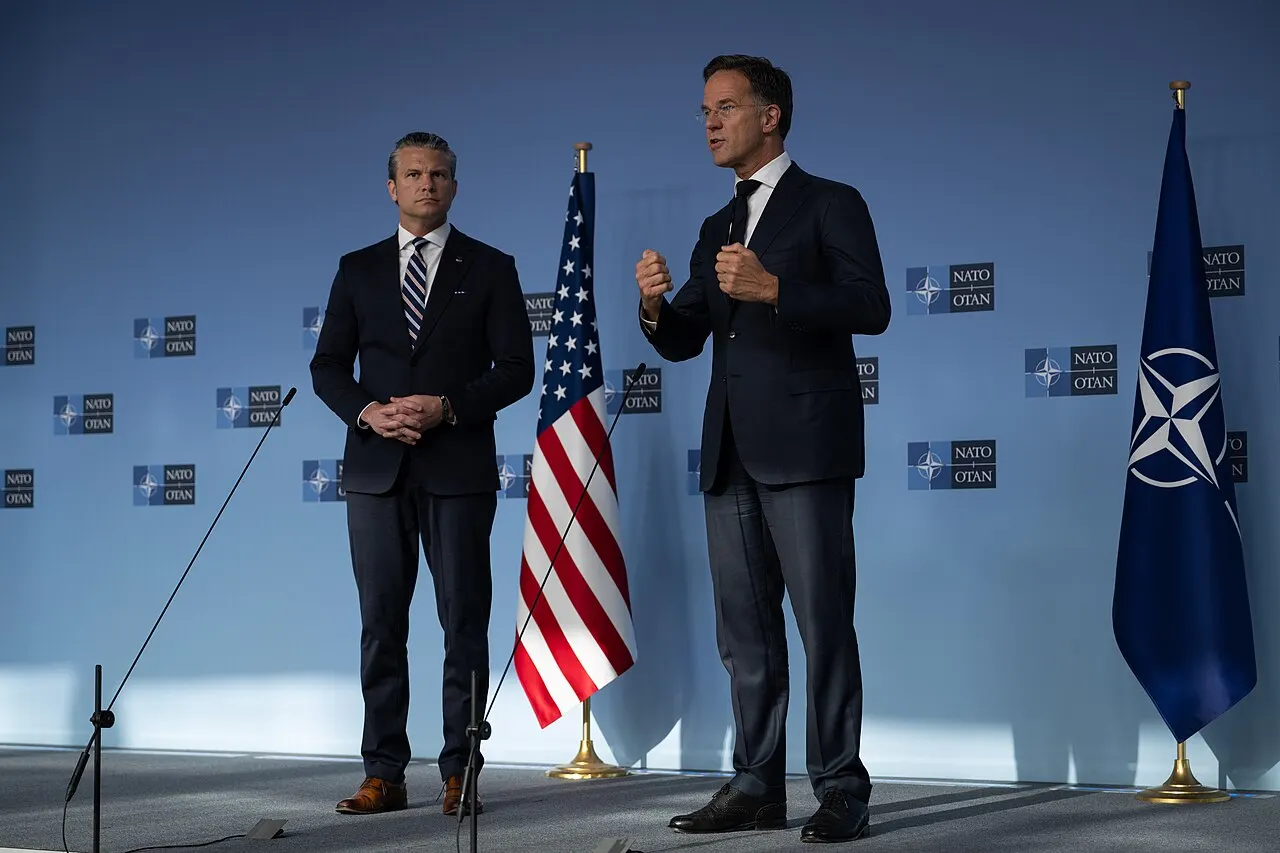
Rutte spoke at a press conference in Berlin alongside German Chancellor Friedrich Merz. "We will always make sure we defend every inch of Nato territory," Rutte said, adding that included safety "when it comes to the space element." He said NATO had a range of response options and would keep reviewing its deterrence and defence.
Merz did not confirm or deny the reports. He called them "not new, yet they remain no less shocking," and said they "reveal the level of escalation Russia is evidently prepared to pursue." A German government spokesman said the reports were being taken "very seriously." Spokesman Stefan Kornelius also cautioned against "excessive nervousness regarding hypothetical dangers."
Why it matters
A nuclear weapon detonated in orbit would not work like a bomb on the ground. The blast would send out radiation that could damage or destroy satellites across a wide area, and the effects would linger. Bleddyn Bowen, co-director of the Space Research Centre at Durham University, said such a blast would have "massive infrastructural effects." There are now more than 15,000 active satellites in orbit, and the damage would be indiscriminate — it would also take out much of Russia's own space infrastructure.
The head of the European Space Agency, Josef Aschbacher, told the Handelsblatt newspaper that putting nuclear weapons in space was "the ultimate nightmare scenario." Russia signed the 1967 Outer Space Treaty, which bans weapons of mass destruction in orbit. But the US and China have also been developing space weapons that sit outside the treaty, including ways to target rival satellites used for military communications, surveillance and navigation.
The reports land in a wider pattern of escalation. Russia's war against Ukraine has already spread beyond the battlefield — Kyiv has begun [striking Russian ships far from Ukraine](/article/ukraine-war-explained-russian-ships-libya) — and the space reports suggest Moscow is weighing pressure in yet another domain.
What it means for the US
American life runs on satellites. US military communications, surveillance and navigation all depend on them, and so do civilian systems — from GPS and weather forecasting to banking and air travel. A nuclear blast in orbit would not stay a European problem. It would hit American infrastructure directly, which is why Washington has treated space as a warfighting domain for years.
In September, US Secretary of the Air Force Troy Meink said the US had "on-orbit, space-control weapons" circling the planet, without giving details. The US has also been here before: in 2024, Washington accused Russia of developing a space-based anti-satellite weapon armed with a nuclear warhead. Russia denied it, and President Vladimir Putin said Russia had always been categorically against putting nuclear weapons in space.
The episode adds another front to an already crowded one for Washington, which is also managing [a military standoff with Iran](/article/iran-vows-all-available-means-against-us-naval-blockade). For US readers, the practical takeaway is simple: the contest over space is no longer theoretical, and the systems Americans rely on every day sit in the middle of it.
What happens next
Nothing is confirmed yet. The Kremlin has pushed back hard: spokesman Dmitry Peskov said he had not seen the reports and dismissed stories based on "unknown sources" as "hardly worth taking seriously." The Russian embassy in Berlin rejected what it called "unfounded allegations" and described the reports as part of a "propaganda campaign."
Watch for whether other NATO governments confirm the intelligence in the coming days, and whether the alliance announces any concrete change to its space posture. The 60-day window in the reports gives that a rough deadline. If the intelligence holds up, expect the issue to move fast — and expect Moscow to keep denying it.