What happened
European airlines were hit with a new wave of bomb threats on Friday, the third such incident this week. Flights to and from Lisbon, Rome, Prague and Sofia were targeted, and three planes were escorted by Hungarian fighter jets, authorities said.
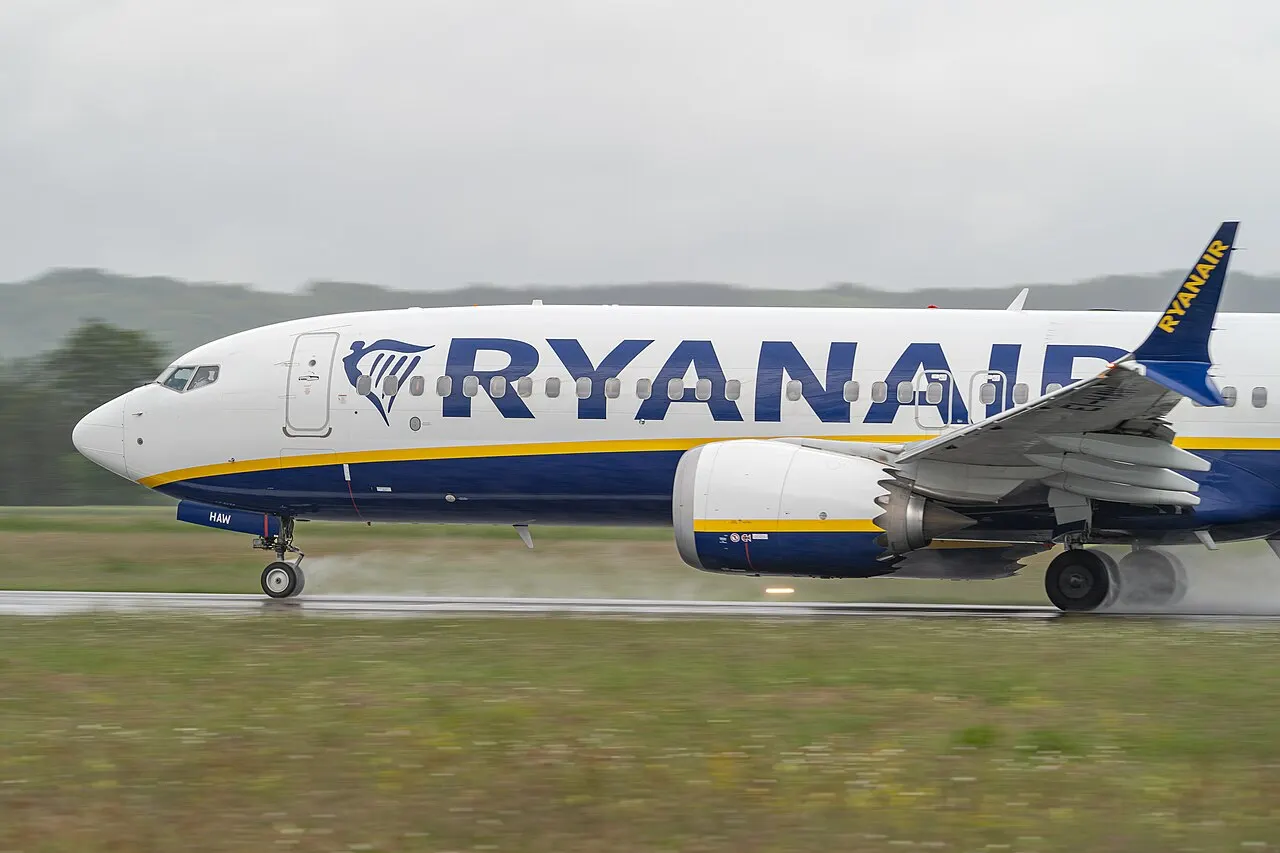
A Ryanair flight scheduled to leave Lisbon for Rome was among those targeted, the airline said. At least 11 flights were targeted in the Czech Republic and Bulgaria, according to AFP, and France reported at least four of its flights were targeted. All of the French flights landed safely. No explosives have been found on any planes as of Friday.
The threats spread beyond aviation. Several media organisations were evacuated after similar warnings, including Ireland's public broadcaster RTE, whose Dublin headquarters saw armed police deployed. Staff at the Irish Independent newspaper and the Dublin offices of radio stations Newstalk and Today FM were also told to leave their buildings, and UK broadcaster Sky said it had received a security threat.
Why it matters
Friday's disruption follows a week of similar threats. Earlier this week, nearly 30 aircraft and several airports across Europe were affected, in what the UK called a "malicious hoax". The Irish government said the pattern now looks like a "likely coordinated campaign of disruption".
No link has been established between the threats against airlines and those against broadcasters, but the timing has put authorities on edge. Ireland is scheduled to host two high-profile European Union meetings in Dublin next week. Irish Prime Minister Micheal Martin called the situation "worrying" and said his government's first priority was the safety of the Irish public.
Europe has seen this kind of hoax before. [Fake alerts sent through Ukraine's warning apps](/article/fake-nuclear-warnings-ukraine-russia-alert-apps-hacked) spread fear in the same way, and each wave forces the same costly response: jets scrambled, terminals searched, schedules torn up. The threats achieve nothing except fear and delay, as the Irish government put it, but the disruption is real either way. Europe's relations with Russia are already strained. [The EU has said Nord Stream will stay shut even after the Ukraine war ends](/article/eu-says-nord-stream-will-stay-shut-after-ukraine-war-ends), and the naming of a Russian group in the threats, even in a denial, keeps that tension in the frame.
What it means for the US
For Americans, the immediate impact is travel. Lisbon, Rome, Prague and Sofia are major hubs for US visitors, and a third wave of threats in a week means delays, extra screening and last-minute schedule changes for anyone flying to or through Europe this weekend. No US flights were reported targeted, but the disruption ripples through shared airspace and connecting routes.
The bigger question is who is behind it. A Russian extremist group named in the threats denied any involvement, mocking the suggestion on Telegram. If investigators trace the campaign to a coordinated effort, or to actors outside Europe, it becomes a US security concern too, since Washington coordinates closely with European allies on aviation security and hybrid threats.
What happens next
Investigators in several countries are now trying to trace where the threats came from. The Irish government said it is not yet known whether they came from individuals or a centralised, coordinated effort. Police in Ireland said they were aware of the threat made against media organisations in Ireland and Europe.
Airlines will keep flying under heightened alert while the threats continue, and European authorities will be watching next week's EU meetings in Dublin closely. Until someone is identified, every new threat has to be treated as real. That is exactly what makes the hoax work.