What happened
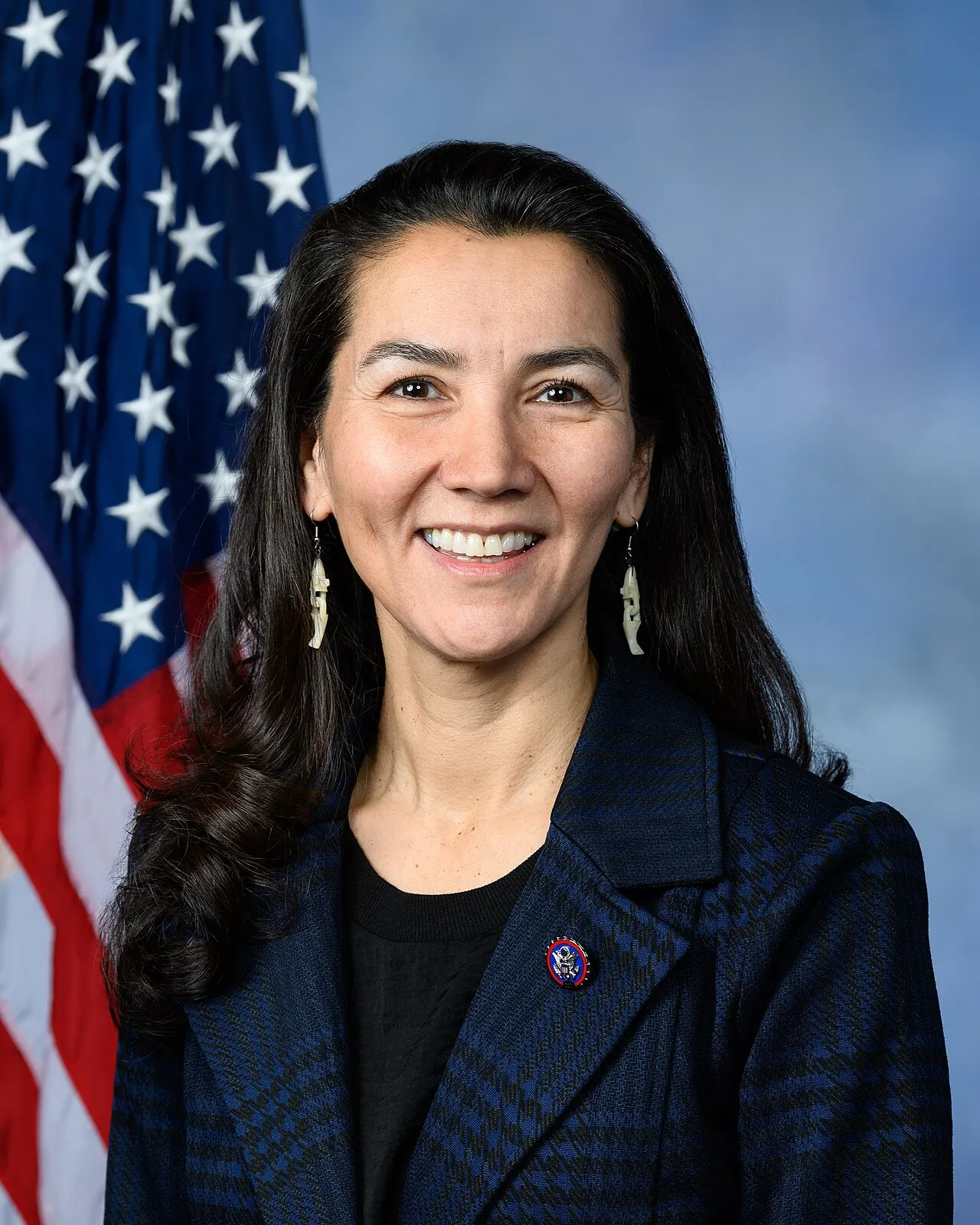
Former Democratic Rep. Mary Peltola has defeated Republican Sen. Dan S. Sullivan in Alaska's U.S. Senate race, according to a race call by The Associated Press. Her win gives Democrats 56 senators in the upcoming Congress.
It was the ninth Republican-held seat Democrats flipped in [this year's midterms](/article/democrats-flip-state-legislatures-midterm-sweep), and the last Senate race of the cycle to be called. The state's unofficial count gave Peltola 144,302 votes to Sullivan's 131,844, just over 50 percent of first-place votes.
Alaska uses ranked-choice voting for its general elections, but Peltola cleared the 50 percent threshold on first-place votes alone, so no ranked-choice calculation was needed. The results remain unofficial until the state certifies them, which it aims to do by November 25.
Why it matters
Peltola is the first Democrat to win a Senate race in Alaska since 2008, and she will be the first Alaska Native to serve in the U.S. Senate. She is from Bethel, a western Alaska hub city of about 7,000 people that is not connected to the state's limited road system.
The scale of the flip is what stands out. President Trump carried Alaska in each of the last three presidential elections and won the state by 13 percentage points in 2024. Sullivan was a steadfast Trump ally, and Trump flew to Wasilla last month to rally for his reelection. The result landed while Trump was in China for a [first-ever trilateral meeting with Xi Jinping and Vladimir Putin](/article/trump-lands-in-china-trilateral-xi-putin), a trip that opened with his arrival in the Philippines earlier in the week.
Peltola campaigned on the themes Democrats stressed across the country this cycle: affordability, health care costs, and accusations of Republican corruption. The cost-of-living argument carries extra weight in rural Alaska, where groceries and gas can cost double or triple what they do elsewhere. She also ran on the salmon crisis on the Yukon and Kuskokwim rivers, pitching herself as the candidate who would crack down on industrial-scale pollock fishing in the Bering Sea.
The race's final days were turbulent. The New York Times reported allegations that Peltola's team was involved in efforts to recruit another candidate, Dan J. Sullivan, to siphon votes from the incumbent. Her campaign denied any involvement, and NPR has not independently confirmed the reporting. Preliminary results suggest the other candidates did not act as spoilers: Peltola had more votes than the other three candidates combined.
What it means for the US
A 56-44 Senate majority is the Democrats' largest since 2009, and it changes the math for the final two years of Trump's presidency. With Democrats also retaking the House, the next Congress points toward divided government, with the two parties able to block each other's plans.
For the Senate itself, a four-seat cushion means Democratic leaders can lose a few votes on nominations and still confirm judges and executive branch officials. It also gives the party control of every committee, including the power to set hearing agendas and issue subpoenas.
For Alaska, the seat carries outsized weight on energy, Arctic policy, and fisheries. Sullivan, a Marine Corps veteran first elected in 2014, pushed to expand the military and Coast Guard presence in the state. Peltola has made the Bering Sea pollock fishery and the salmon runs that feed western Alaska villages a central issue, and her win puts a different set of Alaska priorities in front of the Senate.
What happens next
Peltola takes her seat when the new Congress begins in January. She will join Minnesota Senator-elect Peggy Flanagan as one of the first two Native American women ever elected to the Senate.
The legal fight over the result is not over. A federal judge rejected a Trump administration lawsuit that sought to block certification of the results if Sullivan lost, ruling that such an order would clearly violate Alaskan voters' right to a secret ballot. The Justice Department plans to appeal, and Alaska's governor has ordered an investigation into the race.
Ballot stacking and promoting spoiler candidates are generally legal in Alaska. Super PACs aligned with both parties spent more than $2 million on ballot composition efforts in the state this year. The state plans its final count and its own ranked-choice tabulations before certification.