What happened
Russia launched an overnight barrage of drones and ballistic missiles at Ukraine's energy grid, President Volodymyr Zelensky said on Saturday, knocking out power and water in parts of the country as winter sets in.
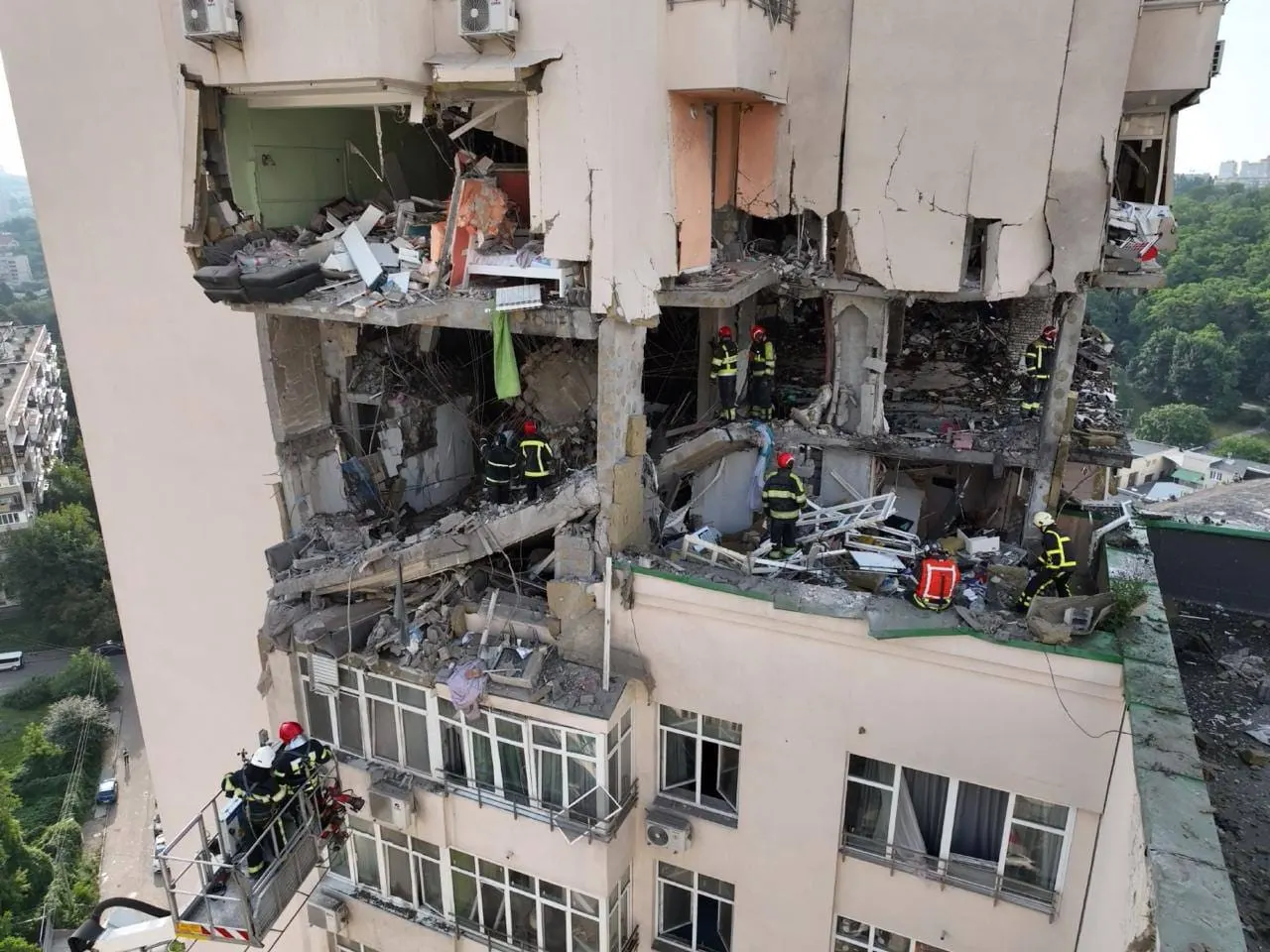
More than 30 ballistic missiles and over 170 drones hit 12 regions, Zelensky said. Kyiv took the worst of it. Nine people were hurt across the country, including one child.
In the capital, residential buildings, the North Bridge and a kindergarten were damaged. Strikes also hit substations in the Kyiv region that link the Rivne and Khmelnytsky nuclear power plants to Kyiv and central Ukraine. Substations were damaged in the Vinnytsia, Zhytomyr, Rivne, Kharkiv and Dnipro regions as well.
Kyiv Mayor Vitali Klitschko said the city's water system was back to normal and about 60% of apartment buildings had heating restored. Energy Minister Denys Shmyhal said five regions had power cuts, though he did not say how many homes were affected.
Why it matters
The timing is the story. Ukrainian and Russian delegations are due in Abu Dhabi next week for trilateral talks, and Zelensky said Moscow was preparing for them by hitting "critical infrastructure." Temperatures are falling and parts of Ukraine have seen the first snow of winter, so attacks on heat and power land harder now than they would in summer.
The strikes also followed a rare bit of progress. First Lady [Melania Trump hosted Russian and Ukrainian delegations at the White House](/article/melania-trump-hosts-russian-ukrainian-officials-washington) on Thursday and pushed for a longer ceasefire after a six-day truce in the Kherson region let hundreds of people evacuate the Russian-occupied town of Oleshky. Both Moscow and Kyiv credited President Trump with brokering that truce. The new attacks show how fragile that opening is.
Earlier in the week, glide bombs hit an aid centre near Zaporizhzhia, and the death toll there has risen to 55 as rescue teams searched the ruins.
What it means for the US
Zelensky used his Saturday message to press Washington directly. He said Ukraine was counting on more bilateral support from the United States, unity between both parties on security, condemnation of Russian aggression, and tougher sanctions pressure on President Vladimir Putin. American resolve, he said, mattered for bringing peace closer.
That appeal lands in a changed Washington. [Democrats won control of Congress](/article/democrats-won-congress-what-happens-next-explained) in Tuesday's midterms, so Ukraine aid will now run through a divided government. Any new support package needs buy-in from both parties, and the Abu Dhabi talks will test whether the administration's diplomacy can hold while Russia keeps striking civilian infrastructure.
For American readers, the stakes are concrete: the war's direction shapes US defense spending, energy prices, and the credibility of the ceasefire diplomacy the White House has been promoting.
What happens next
The delegations head to Abu Dhabi next week. Zelensky's team will arrive arguing that Russia negotiates while bombing the grid. The White House has not said what comes next if the talks stall.
In Kyiv, repair crews are working to restore power and heat before temperatures drop further. Shmyhal did not give a timeline for full restoration.