What happened
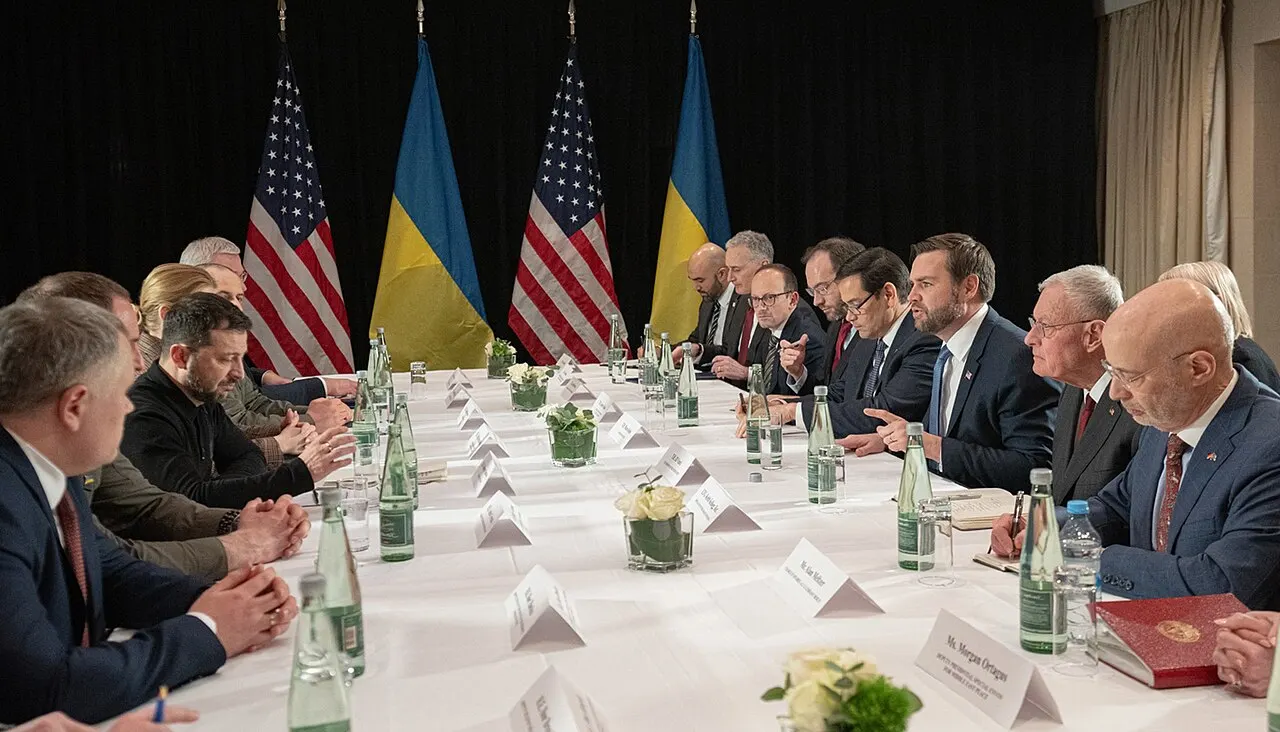
Two days of talks in Abu Dhabi between Russia, Ukraine and the United States ended on Wednesday with no breakthrough on ending the war in Ukraine. The meeting was the first round of direct trilateral talks since February, and it focused on the future security of Europe once the fighting stops.
The American side said it saw "some openings," but there was no sign of a deal to end a war now in its fifth year. One concrete step did emerge: both Moscow and Kyiv confirmed that a large prisoner-of-war exchange is being prepared and could take place soon. Neither side gave a number.
The talks picked up where [the negotiations that resumed in Abu Dhabi on Tuesday](/article/us-ukraine-russia-resume-peace-talks-abu-dhabi) left off. Ukrainian negotiator Davyd Arakhamia called this round "one of the hardest," saying the Russian delegation arrived with strict instructions that made the discussion hard to move. He still reported "good momentum" and urged a second round as soon as possible.
Why it matters
The sticking points are the same ones that have blocked a deal for years. The biggest is Donetsk, the eastern Ukrainian region mostly held by Russia. Moscow wants Kyiv to give up the parts of the region it still controls. Kyiv wants to freeze the front line where it is. Zelensky's chief of staff, Kyrylo Budanov, would not say whether Moscow is still demanding a Ukrainian withdrawal from Donetsk.
The two sides also disagree on the order of events. Ukraine and its European allies want a ceasefire first, then talks on a lasting settlement. The Kremlin insists the fighting only stops once an agreement is reached. That gap is why the talks in Abu Dhabi turned to post-war security before any ceasefire exists.
Europe's role was a fault line too. Representatives from Britain, NATO and several EU countries were in Abu Dhabi and met the American and Ukrainian teams, but the Kremlin said its delegation had no contact with them. Moscow has long resisted a European seat at the table, while European governments argue their own security is tied to Ukraine's. [Europe joined the US-mediated format this week](/article/europe-to-join-us-mediated-ukraine-talks-abu-dhabi), and a German government spokesperson warned on Wednesday that any deal would be hard to carry out "if no consensus can be reached among Nato members." Kremlin negotiator Vladimir Medinsky said the world needed a "new" and "fair" security system — a phrase that points to Moscow's long-standing demand to limit NATO's reach in eastern Europe.
What it means for the US
Washington is now the broker in the room, and the next moves are American ones. On Thursday, US negotiators Steve Witkoff and Jared Kushner travel to Moscow to meet President Vladimir Putin, then on to Dublin to speak with President Volodymyr Zelensky.
Kushner said the US wants to "create a new framework" of security between Ukraine, Russia and Europe that could "secure lasting peace," and he wants Europeans "added to the format." He was blunt about the difficulty, calling Donetsk the "hardest" issue. "The reality is there is no trust right now between the sides and that is to be expected after a conflict like this," he said.
For American readers, the stakes are practical. The US has carried much of the cost of supporting Ukraine, and the shape of any security deal decides how much of that burden continues. A settlement that holds would ease pressure on US defence spending and on the energy and food prices that have swung with the war. A settlement that collapses would leave Washington choosing between deeper involvement and a damaged alliance in Europe.
What happens next
Witkoff and Kushner take the talks to Moscow on Thursday, then to Dublin for Zelensky. No date has been set for a second round in Abu Dhabi, though Arakhamia pressed for one soon. The prisoner exchange both sides confirmed could be the first visible result — a test of whether the two sides can deliver on anything they agreed in the room.