What happened
Democrat Scott Colom has won the U.S. Senate race in Mississippi, defeating Republican incumbent Cindy Hyde-Smith in the closest Senate contest in the country. Fewer than 5,000 votes separated the two candidates out of nearly a million counted.
Colom, 43, took 49.2% of the vote to Hyde-Smith's 48.7%, according to the BBC. Hyde-Smith conceded in a video posted on X on Wednesday evening. "While this was not the outcome we worked for or hoped for, I respect the decision of Mississippi voters," she said.
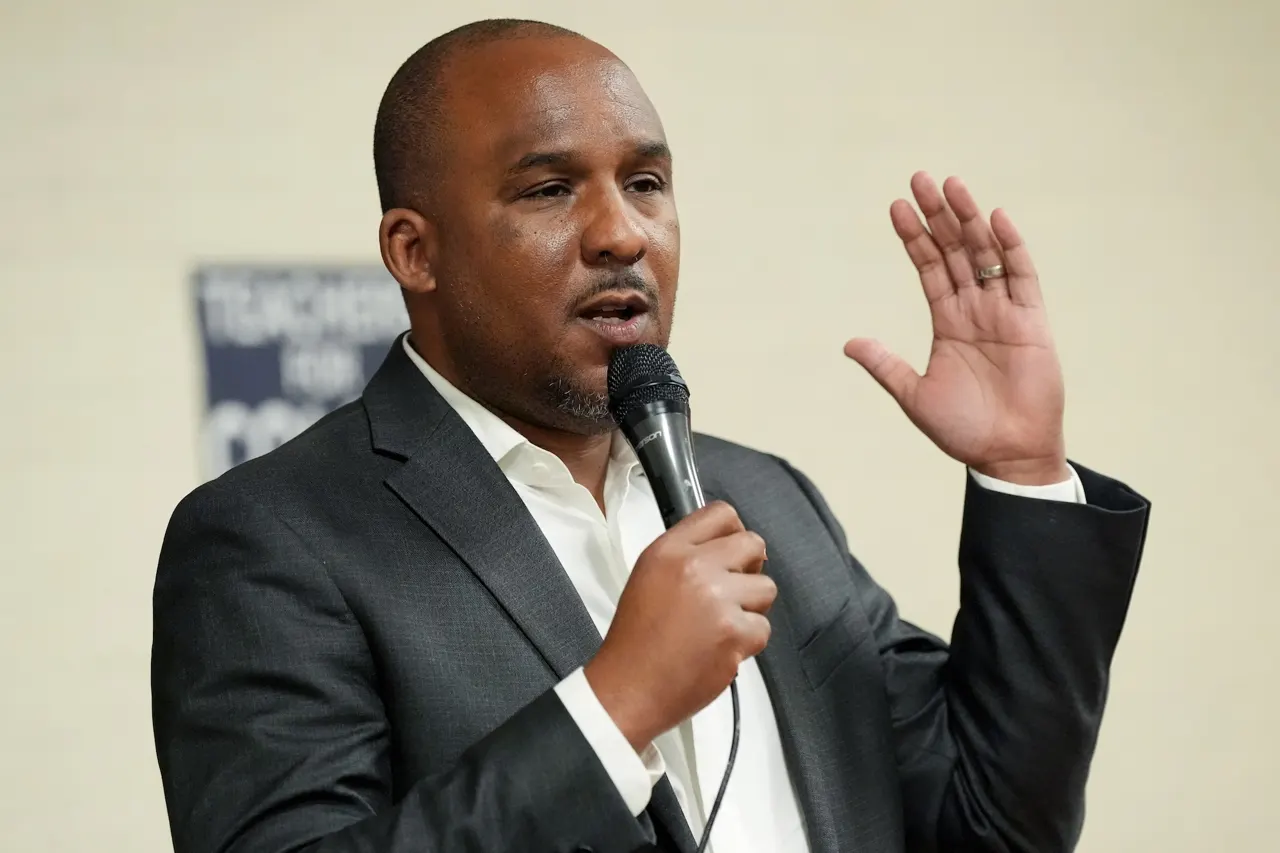
Colom gave his victory speech on the campus of Tougaloo College, where hundreds of supporters had gathered under the night sky. "They did not believe a moment like this was possible, but I kept the faith," he told the crowd. "It's not something that I did y'all. It's something we did."
The win makes Colom the first Black person from Mississippi to serve in the U.S. Senate since 1874, when Blanche Bruce was chosen by the state legislature. It has taken a century and a half for the state to send another.
Why it matters
Mississippi was not supposed to be close. President Donald Trump carried the state by more than 22 points in the 2024 election, and Hyde-Smith, 67, has held the seat since 2018. Colom, a local prosecutor, campaigned in all 82 of the state's counties and hammered the cost of living, branding his opponent "Cindy High Prices" over her support for Trump's tariffs.
The race became a test of how far the Democrats' midterm wave could reach. The party has already flipped Senate seats in Republican strongholds including Texas, South Carolina, Kansas and Iowa, and taken control of both chambers of Congress. Mississippi was the most unlikely prize of the lot.
At the NAACP headquarters in Jackson, dozens of people watched the result come in on Wednesday. The room erupted when Colom's victory was announced. "This is an amazing result," said Leon Russell, chairman of the NAACP board. "This is purely the work of particularly the black community. There was not a whole lot of money, but there was a whole lot of organising."
Exit polls pointed to the same forces behind the wider Democratic wave: voter frustration with the economy, blamed in large part on tariffs and the war with Iran. Hyde-Smith also drew fire during the campaign after telling voters to "pick another protein" when asked about surging beef prices, and she was criticised for making few public appearances.
What it means for the US
With Colom's win, Democrats will hold 55 seats in the 100-member Senate, with only the Alaska race still to be called. That gives the party a working majority as it prepares to take control of Congress — and a say over which bills reach the floor, which nominees get confirmed, and how the next two years of lawmaking are shaped. [Our explainer on what Democrats can and can't do with their new power](/article/democrats-won-congress-what-happens-next-explained) breaks down the limits of that majority.
For American voters, the result is also a measure of how much prices and tariffs mattered in this election. Colom built his campaign around household costs in a state Trump won easily two years ago, and it worked. Candidates in both parties will be watching that lesson closely heading into the next cycle.
What happens next
Colom will take his seat when the new Congress is sworn in in January. Before that, the current Congress returns for a [lame-duck session with a government funding deadline looming](/article/congress-returns-lame-duck-session-funding-deadline).
The Alaska Senate race remains the last uncalled contest of the midterms. And while Trump has [questioned the midterm results](/article/trump-questions-midterm-results-after-saying-accept-them) after saying he would accept them, the results in Mississippi are now settled: Hyde-Smith has conceded, and Colom is heading to Washington.