What happened
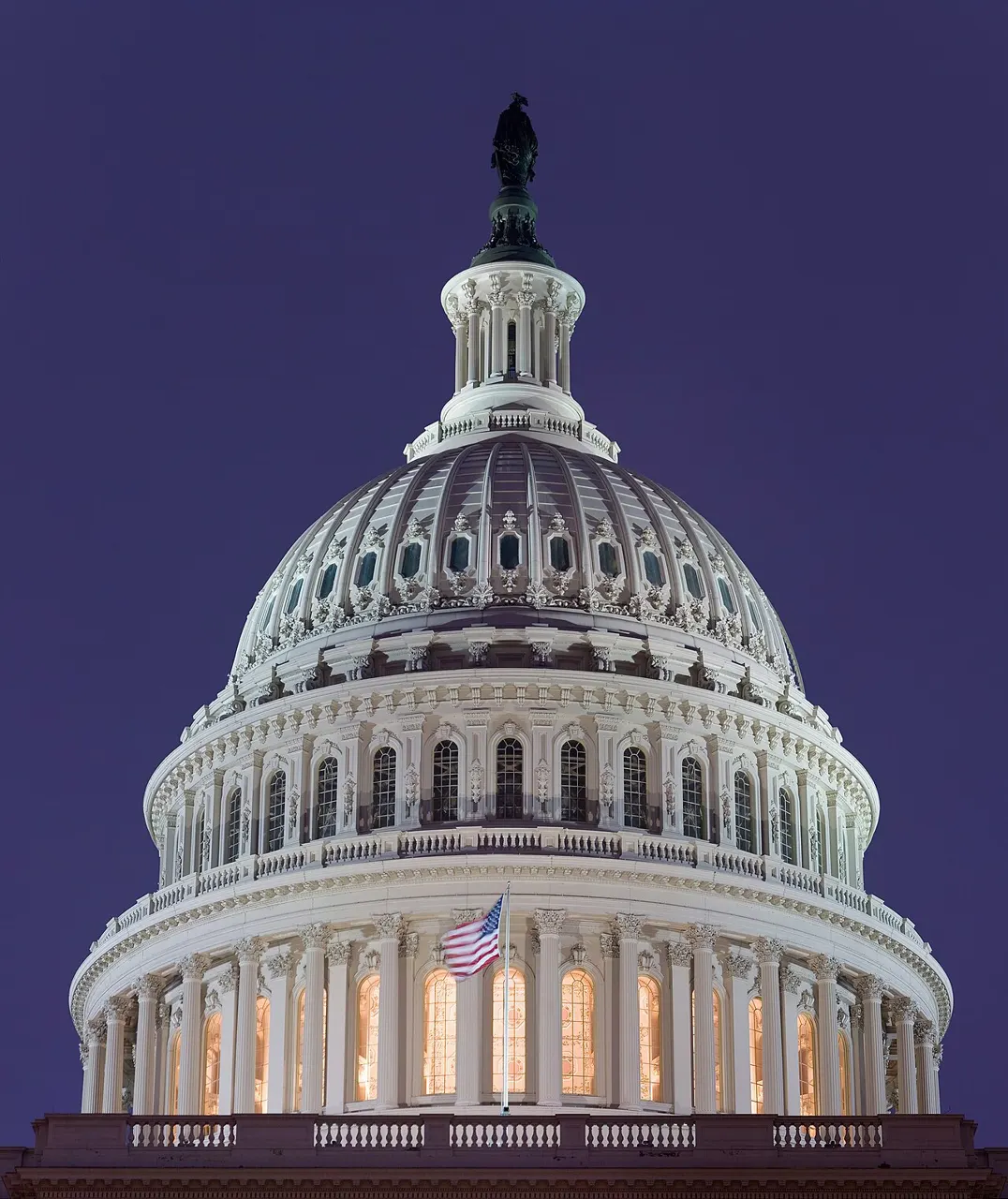
The Senate passed the Bipartisan American Affordability and Jobs Act on Thursday by a vote of 62-33, sending a sweeping permitting-reform bill to the House. Fourteen Democrats and one Independent joined most Republicans in voting for it. The bill was written by two Democrats and two Republicans.
The bill speeds up the approval process for data centers and power plants. Supporters say it will also clear the way for more solar, wind and battery projects, and make data centers pay for the power they consume. President Trump urged Congress to pass it, calling it a "BIG WIN for U.S. ENERGY INDEPENDENCE and DOMINANCE" in a recent social media post.
Why it matters
Electricity prices have become a kitchen-table issue. The cost of a kilowatt-hour has risen more than 6% in the last year and 39% in the last five years, according to NPR, outpacing overall inflation. At the same time, demand is surging as artificial intelligence data centers draw huge amounts of power, and [Trump's push for a 4,000-acre AI chip hub overseas](/article/trump-pushes-4000-acre-ai-chip-hub-philippines-pax-silica) shows how fast that demand is growing. With [lawmakers also pushing a $25 federal minimum wage](/article/lawmakers-push-25-federal-minimum-wage-end-tipped-pay), affordability is shaping up as the central fight in Washington.
The bill splits both parties' usual coalitions. Senate Majority Leader John Thune said it would "cut through decades of red tape" and "save the average household hundreds of dollars each year." Rhode Island Democrat Sheldon Whitehouse, a co-author, said "Americans will quickly begin getting some relief on their energy bills if the House follows suit."
Critics see a different bill. The Sierra Club and the National Wildlife Federation opposed it, arguing it weakens environmental accountability. Many Democrats said it would make it easier to approve oil and gas projects and energy-hungry data centers while weakening protections for clean air and water. Oregon Sen. Jeff Merkley called it "a bad deal," warning it "opens the gates to a flood of natural gas for data centers while leaving expanded transmission of renewable energy subject to Trump's obstruction."
What it means for the US
For American households, the promise is lower bills. Thune put the saving at hundreds of dollars a year per household, and Whitehouse said relief would come quickly if the House acts. The bill also aims to shift some of the cost of new power demand onto data centers themselves, rather than ordinary customers.
But the trade-offs land on Americans too. Senators from Washington and California raised concerns about tribal sovereignty and environmental protections. Sen. Maria Cantwell warned: "Don't sacrifice the Clean Water Act, hunting or fishing grounds, historic or sacred sites, or protections of tribal sovereignty." Sen. Alex Padilla said he supports cutting red tape, "but not at the expense of tribal sovereignty and California's environment."
What happens next
The bill now goes to the House, where [Democrats recently nominated Hakeem Jeffries for speaker](/article/democrats-nominate-hakeem-jeffries-house-speaker). No House vote date has been announced. Whitehouse's own case for the bill depends on the House following suit, so the next test is whether the bipartisan Senate coalition holds in the lower chamber.