What happened
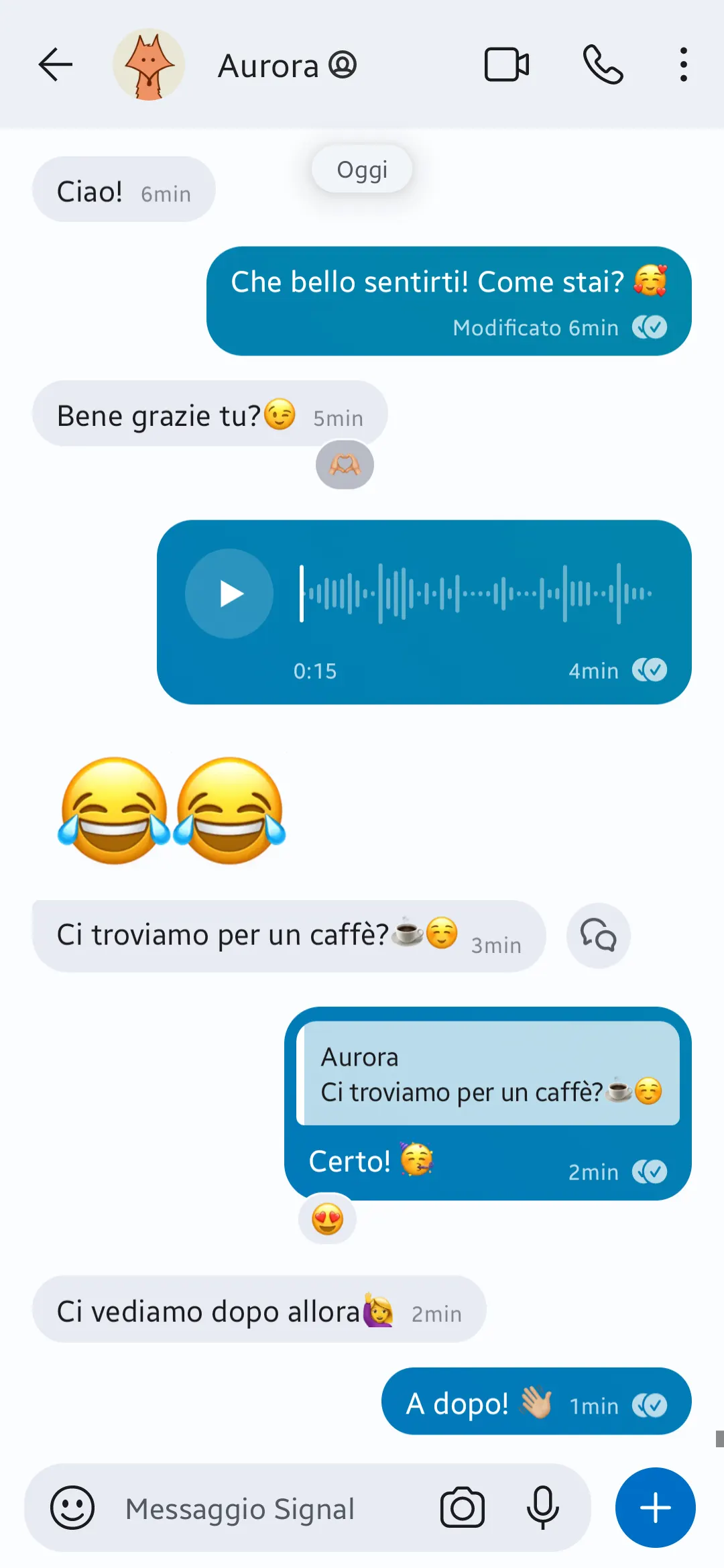
Signal is blocking screenshots inside its app on iPhone and Android. The secure messaging service announced the change on Friday, saying built-in AI agents from Apple and Google can now scan whatever is on your screen — including your private chats — and copy that data into their own systems.
Signal president Meredith Whittaker put it bluntly. The AI agents baked into Windows, Android, and macOS/iOS are an "existential threat" to Signal's ability to guarantee privacy, she wrote. Once an OS-level AI agent captures your screen, your messages can be stored in a local database or sent to a remote server. Signal has no control over what happens next, and neither do the other people in the conversation.
This is not Signal's first fight on this front. Last year it blocked screenshots in its Windows app by default to stop Microsoft's Recall feature from taking and storing screenshots of Signal messages on Windows 11. Now it is doing the same on mobile: screenshots are blocked in the app on iOS 27, and on Android versions where Signal can detect an AI assistant trying to read the screen.
Users can switch the protection off in settings if they want to. Whittaker was direct about the cost of doing so: it would "break our privacy guarantees" and could expose your contacts' messages as well as your own.
Why it matters
The move draws a line between two ideas of what a phone should do. Apple, Google, and Microsoft are racing to build AI agents deep into their operating systems — [Apple is building an AI agent that runs your Mac](/article/apple-building-ai-agent-that-runs-your-mac), Google's Gemini reads what's on Android screens, and Siri is gaining similar on-screen awareness. These features work by looking at your screen. That is the whole point. But a screen that can be read by an assistant can also be read while a private conversation is open.
Signal's argument is that this breaks a promise users thought they had. For more than a decade, its privacy guarantee rested on open-source code and a formally verified encryption protocol, scrutinized by security researchers around the world. End-to-end encryption still protects messages in transit. It does nothing once the operating system itself is reading the screen.
The stakes reach beyond one app. Signal says it is "the canary in the coal mine" — the same screen-reading agents can capture banking details, medical messages, and work documents from any app. Signal also flagged third-party AI agents like [Meta's Muse](/article/meta-muse-mixing-up-conversations-report), which it says use accessibility settings meant to help people with disabilities as a way into app data. For US readers, the practical question is simple: the privacy features in your apps are only as strong as what your phone's operating system allows them to enforce.
Whittaker was also honest about the limits. She called the fix "incomplete." Blocking screenshots does not stop sneakier routes, such as an agent pulling content already stored on the device through the file system. And Signal says it currently cannot implement these protections on macOS at all, because Apple does not give developers the tools to do it.
What happens next
Signal is now pushing Apple, Google, and Microsoft for two things: an easy, well-documented way for developers to opt their apps out of AI data access — screen reading, file access, notifications, and APIs — without wrecking the app's core features, and clear technical documentation explaining how these AI agents actually work.
The company says it has spent months doing forensic investigations across Android and iOS just to learn what happens when these systems touch app data, because the documentation is so thin. It also says Google and Apple are engaging with it on the issue, and it is "cautiously optimistic" about progress. Google, meanwhile, keeps pushing AI deeper into its products, as [its AI-heavy search redesign](/article/google-drops-search-button-ai-homepage-redesign) shows.
Whether the big OS makers agree to give developers a real opt-out will decide how far Signal's fix goes. Until then, the app is choosing privacy over convenience — and asking users to make the same choice.