What happened
The voters who handed Democrats control of Congress do not expect much to come of it. That is the blunt message from two online focus groups NPR observed on Tuesday night in North Carolina, a state both parties treat as a battleground.
The 14 participants all voted for Joe Biden in 2020 and then for President Trump in 2024. Ten described themselves as independents, three as Republicans and one as a Democrat. Twelve of the 14 said they have pretty low expectations for what Democrats can do once they take control of both the House and Senate in January.
"I think realistically, it just means nothing's going to happen for the next two years," said Steven, a 32-year-old independent voter. "President Trump would veto anything that comes to his desk, and the House and Senate majorities are not veto proof either, so literally nothing will happen for the next two years."
The sessions were part of the Swing Voter Project, run by messaging firm Engagious and market research firm Nelson Recruiting. Rich Thau, president of Engagious, moderated the groups. Focus groups are not scientifically significant the way polls are. They offer a snapshot of how a small group of voters is thinking, and this snapshot is gloomy.
Why it matters
These are exactly the voters Democrats need to keep. They flipped to Trump two years ago, then flipped back to Democrats in the midterms. Now they say the party's big win may change little in their daily lives, because the one thing they care about most is the cost of living.
Thau said the voters expect Trump to be the main obstacle, and they also doubt Democrats will stay focused. "And the Democrats themselves, [the voters] think that they're going to be sort of all over the place, that they're going to maybe focus too much on investigations," Thau told NPR. "But in terms of actually helping them do the one thing that they desperately want, which is to bring their prices down and make their lives more affordable, they are definitely dubious."
The voters spelled out what they want instead: get rid of tariffs, lower the cost of everyday goods, and stop the war in Iran, which several of them blame for rising gas prices. The [Democrats' midterm win](/article/democrats-won-congress-what-happens-next-explained) was driven in part by anger over corruption. In the Voter Poll conducted by SSRS, more than half of voters said government corruption was "crucial" to their vote for Congress, slightly more than the share who said the same about the cost of living. But in the focus groups, accountability ranked below affordability.
"I'm really concerned they're going to pursue those investigations and such," said Rick, a 63-year-old Republican. "And whether they're true or not, it doesn't really matter because there are people in the middle that are being forgotten and can't afford gas and healthcare."
Deborah, a 56-year-old independent, said she watched Democrats try to hold Trump accountable for years without results. "They haven't found anything on Trump yet, so just let it go and move on," she said. Kristen, a 38-year-old independent, called the investigations "wasting taxpayer money." Steve, a 39-year-old independent, described them as the parties "butting heads with each other" each cycle.
What it means for the US
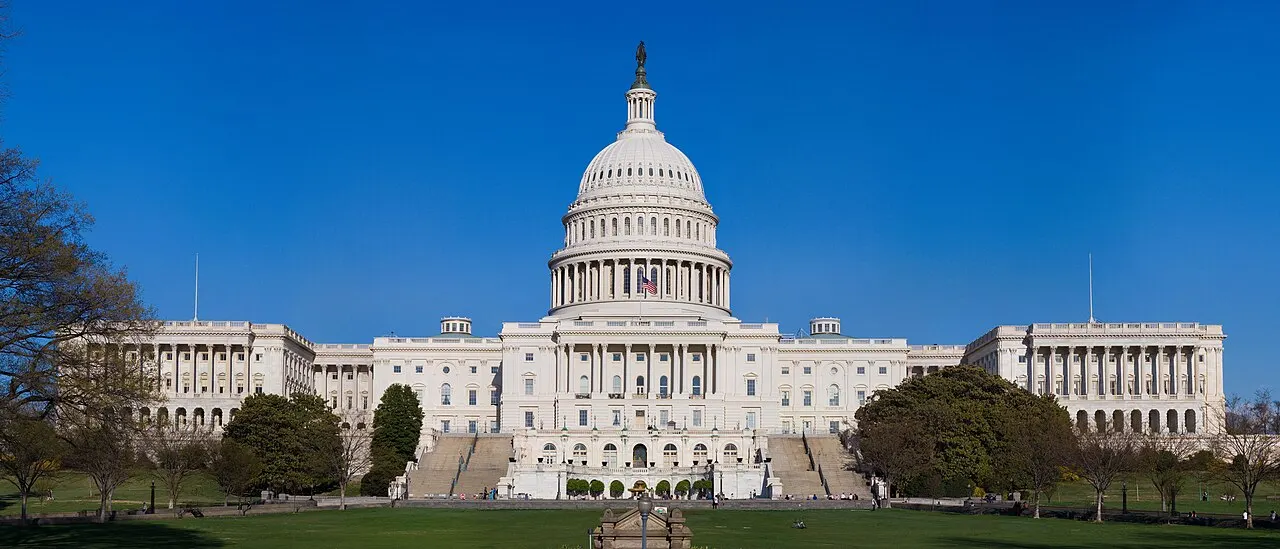
Divided government is about to become the daily reality in Washington, and these voters have already priced in gridlock. Democrats take the House and Senate in January, but Trump holds the veto pen, and the new majorities are not veto-proof. That means the affordability agenda these voters care about, tariffs, grocery prices, gas, will need Trump's signature or a compromise he is willing to accept.
The tension is sharpest on tariffs. Voters in the groups want them gone, yet tariffs are a Trump policy, not a Democratic one, so scrapping them would require the president to reverse course or Congress to override him. The same applies to the Iran war, which the voters link directly to what they pay at the pump. Neither issue moves without the White House.
There is also a political warning here for Democrats. These swing voters backed the party as a check on Trump, not as an investigative force. If the new Congress spends its first months on probes while prices stay high, it risks losing the very voters who gave it power. [House Republicans, meanwhile, are picking a new leader](/article/house-republicans-elect-new-leader-scalise-jordan) as they rebuild after the midterm losses, so both parties face a test of whether they can show results before the next campaign begins.
What happens next
Democrats take control of Congress in January. The first weeks will show which instinct wins: bills aimed at prices and tariffs, or investigations of the Trump administration. Steven, the 32-year-old independent, expects plenty of the former on paper and little of it in law. He predicted Democrats will introduce a lot of bills "mainly for show," because Trump "doesn't want to be embarrassed and he won't let anything pass even if it's a good thing because he doesn't want to give credit to the Democrats."
Coronda, a 45-year-old Democrat in the groups, agreed that compromise looks unlikely. "Trump's not going to want to compromise," she said. "Trump is very set in his ways. He's very stubborn, he's going to yell 'his way or the highway.'"
Thau said that is why these voters are keeping their expectations low on purpose. "If you have low expectations, you're not setting yourself up for disappointment," he said. "And I think these voters are not setting themselves up for disappointment. They're going in clear-eyed, expecting President Trump and the Democrats to not get along."
The real test comes in January, when the new Congress sits and voters can see whether anything changes at the checkout and the gas pump.