What happened
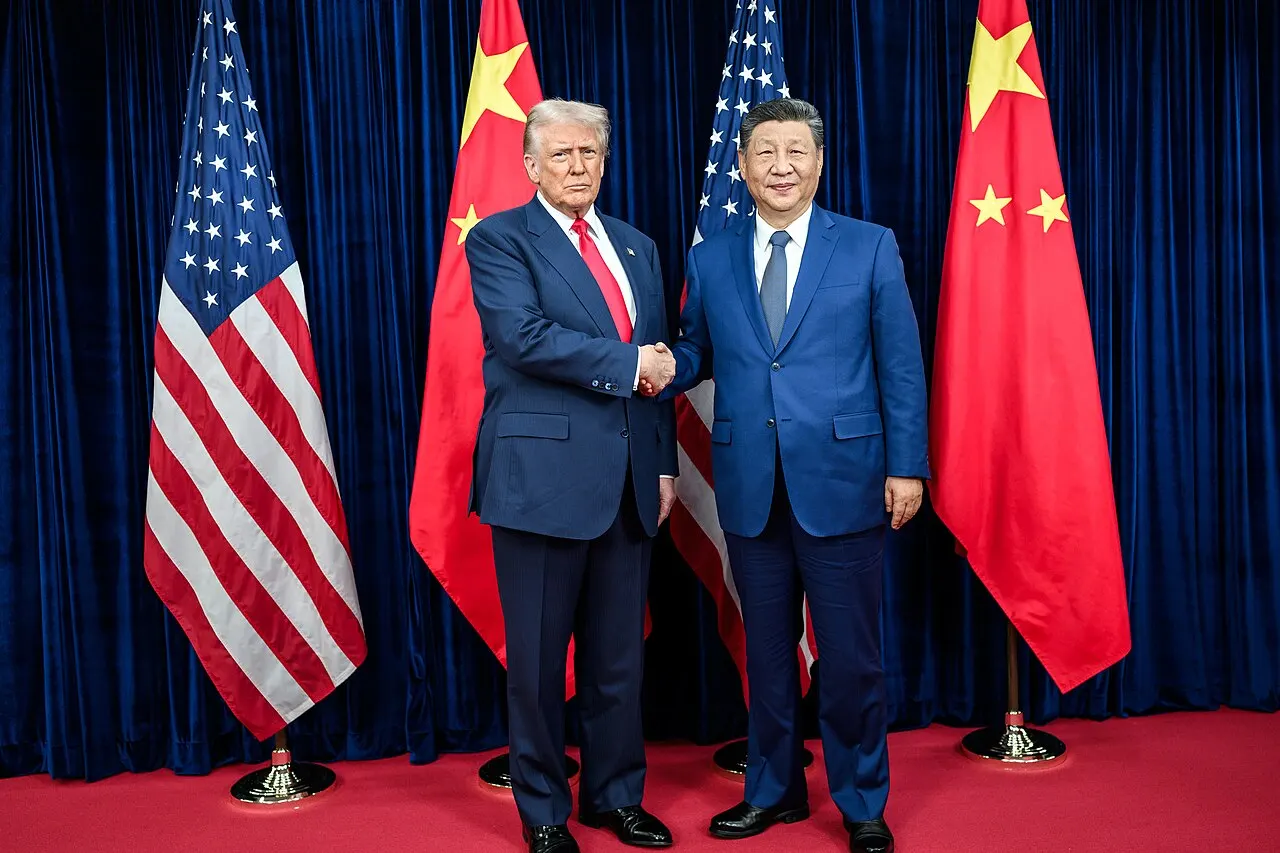
President Donald Trump is heading to Asia this week for a rare three-way meeting with Chinese President Xi Jinping and Russian President Vladimir Putin. The White House confirmed on Friday that Trump will sit down with Xi and Putin together, in what is being billed as a high-stakes trilateral summit.
Before China, Trump will stop in the Philippines for the ASEAN summit in Manila, where he will meet allies including the other leaders of the Quad: India, Japan and Australia. He is expected to spend about three days in the region. The China visit is his second trip there this year.
Expectations for big deals are low. Officials and analysts say the meeting is unlikely to produce major agreements. But the image of the three leaders together will carry weight on its own. The three leaders have met before in different formats, and our [explainer on the Trump-Putin-Xi summit](/article/trump-putin-xi-summit-explained) lays out what is at stake. As former ambassador Edgard Kagan put it, "That picture alone is going to be worth well over a thousand words."
Why it matters
The summit lands at a difficult moment for Trump. His party just lost control of Congress in the midterm elections, and voters delivered what NPR described as widespread backlash. The Asia trip is the first time allies and rivals will size him up on the world stage since that defeat, and it offers a preview of what the final two years of his presidency may look like.
The agenda is crowded. Trump has said for weeks that he wants to talk about the war with Iran and about denuclearization with Putin and Xi. China, though, is unlikely to want any part of a three-way nuclear discussion. Kagan, now a senior adviser at the Center for Strategic and International Studies, said Beijing does not want to be locked into a junior role or to set a precedent it cannot walk back. A White House official was blunt about the odds: "We do not expect to get to any kind of agreement," calling the meeting an entry point for talks on cutting nuclear stockpiles.
Putin, meanwhile, stands to gain from the meeting. Russia's war in Ukraine is nearing its fifth year, and a seat at the table with Trump and Xi is a prize in itself. Trump has taken friendlier steps toward Moscow in recent months, siding with Putin and striking a deal to release more Russian oil into the market before the midterms. Ukraine is not expected to come up at the trilateral meeting, according to a White House official, and there is no plan for a separate Trump-Putin meeting. Trump said last month he was fine with Ukrainian President Volodymyr Zelenskyy not being present, saying he would do anything he could to end the war whether Zelenskyy was there or not.
Trade is the other big item. Trump and Xi met on the sidelines of the APEC summit last year in Busan, South Korea, and struck a rough truce: Washington lowered some tariffs on Chinese goods and Beijing agreed to loosen exports on rare earths. That truce has held, but only just. Kurt Tong of The Asia Group called it functional but full of friction, and a White House official said the US is not getting rare earths from China at the pace or level it wants. The deal expires in January, and Tong expects it to be renewed, either in Shenzhen this week or at the G20 summit Trump is hosting in Miami later this year.
The trip is also shadowed by the Nvidia scandal. Nvidia chief executive Jensen Huang resigned last week after admitting to an extramarital affair with a woman US intelligence officials believe was recruited by China's top spy agency, according to The New York Times. NPR said it has not independently confirmed those reports. Administration officials, including Commerce Secretary Howard Lutnick, face questions about what they knew and how much access Huang had to Trump. Lutnick has agreed to appear before the Senate Banking Committee. Trump has continued to defend Huang and called him an honorable person. Elon Musk is joining Trump in Shenzhen this time; Huang had traveled with Trump to China earlier this year.
What it means for the US
For American readers, the summit's most concrete stakes are economic. Rare earths feed US manufacturing, from electric vehicles to defense systems, and Washington is pressing Beijing to honor the Busan deal and speed up shipments. A renewal of that truce past January would keep tariffs lower and supply lines steadier. If the talks sour, US companies could face fresh disruptions and higher costs.
The Nvidia fallout hits closer to home. Congress is already [moving to tighten rules on advanced chip exports to China](/article/congress-tighten-ai-chip-export-rules-china-nvidia), and the scandal is giving momentum to lawmakers who want a stricter technology denial regime. What happens in Shenzhen this week could shape how hard that crackdown gets, and how much scrutiny falls on officials who worked closely with Huang.
The Manila stop matters too. Meeting the Quad leaders right before facing Xi and Putin is a signal to allies that Washington still shows up in the region, even after an election defeat at home. Trump is also set to sign a trade deal with Thailand while in the Philippines. How he handles those meetings, especially with India's Narendra Modi, will be watched closely for clues about the next two years of US foreign policy.
What happens next
Trump meets the Quad leaders and signs the Thailand trade deal in Manila, then heads to China for the trilateral with Xi and Putin. Watch for three things: whether the Busan trade truce gets renewed, whether any new language emerges on nuclear talks, and whether the Nvidia questions follow Trump into his meetings. Lutnick's appearance before the Senate Banking Committee will keep the scandal in the headlines at home while the president is abroad.