What happened
A US magistrate judge has ordered President Donald Trump to answer questions under oath in his own defamation lawsuit against the BBC — by December 11.
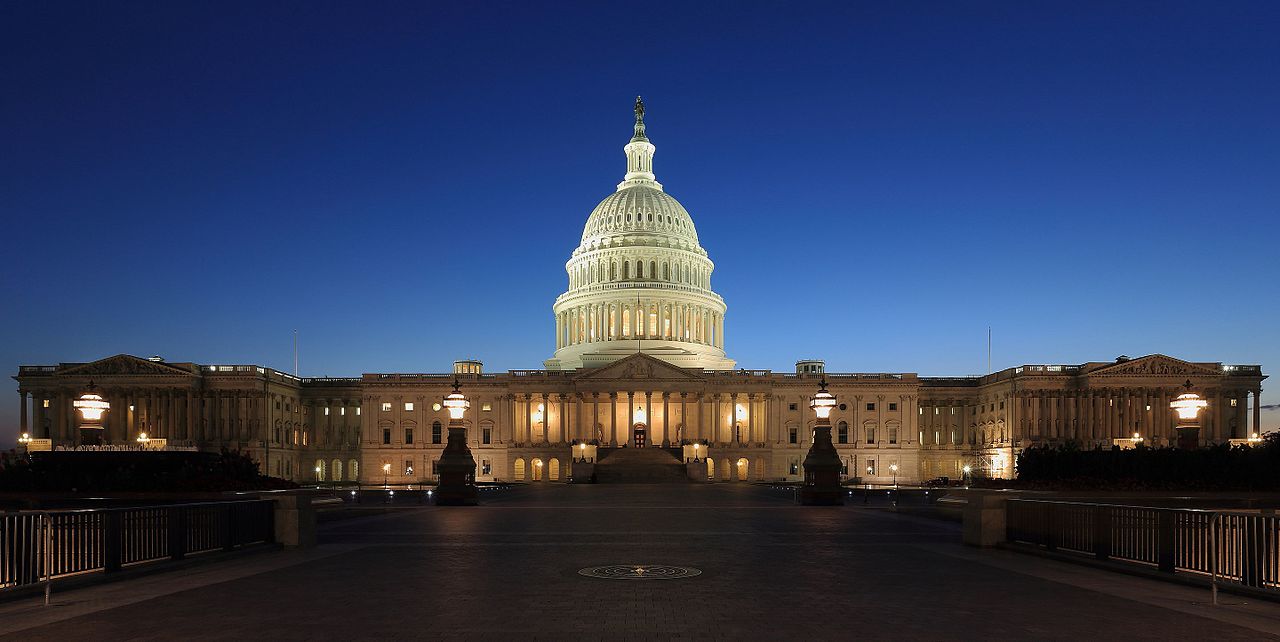
The lawsuit, filed in Florida, targets a Panorama episode that spliced together two separate sections of Trump's speech on January 6, 2021, the day of the riot at the US Capitol. Trump accuses the BBC of "intentionally, maliciously, and deceptively doctoring" the speech.
The order followed a hearing in which Charles Tobin, a lawyer for the BBC, said the broadcaster still hadn't been able to depose Trump, with about two months left in the discovery period. Trump cancelled a deposition scheduled for October 16, saying "matters of national importance" kept him away. That day, he appeared at a midterms campaign rally in Dalton, Georgia, and a fundraiser at his Mar-a-Lago property in Florida.
Why it matters
Depositions carry real weight. They happen in a lawyer's office, not a courtroom, with no judge present — but the testimony is given under oath, recorded verbatim, and the transcript can be used as evidence at trial. Presidents rarely end up in that chair, especially in lawsuits they filed themselves.
The case has already produced setbacks for Trump. In July, his lawyers conceded they had no evidence the documentary was available in the US on the BBC's BritBox service, its website, or through American broadcasters — despite the original claim. And Trump has already dropped the parallel suit against BBC Studios, the broadcaster's commercial arm, after the BBC argued it had "no role in creating or producing the documentary."
The BBC apologized for the edit, saying it gave "the mistaken impression that President Trump made a direct call for violent action." It has also asked the court to dismiss the case, arguing the program does not meet the legal test for defamation and was not available in the US in the first place.
What it means for the US
For American readers, the stakes are concrete. If Trump sits for the deposition, a sworn transcript of a sitting president's answers could become part of the trial record — and trial records go public. The timeline collides with the [2026 midterm elections](/article/us-midterm-elections-2026-explained): Trump's lawyers have proposed January 11–22 instead of the December 11 deadline, and Georgia has become a regular stop on his campaign schedule.
There is a media-law angle as well. The BBC's central defense — that the program was never published in the US — tests how American courts handle defamation claims against foreign outlets. A dismissal on those grounds would set a clear limit on suing foreign broadcasters in US courts over programs made abroad. A ruling for Trump would do the opposite.
What happens next
The deadline is December 11, unless the discovery period is extended. Trump's lawyers say he can appear between January 11 and 22, and reject the claim that he is "avoiding his deposition in this action." Expect a fight over that schedule — and over whether the BBC's dismissal bid succeeds before any deposition happens. [Trump has been campaigning hard in the midterms' final stretch](/article/trump-boasts-unprecedented-power-before-midterms), and this case is now part of that backdrop.