What happened
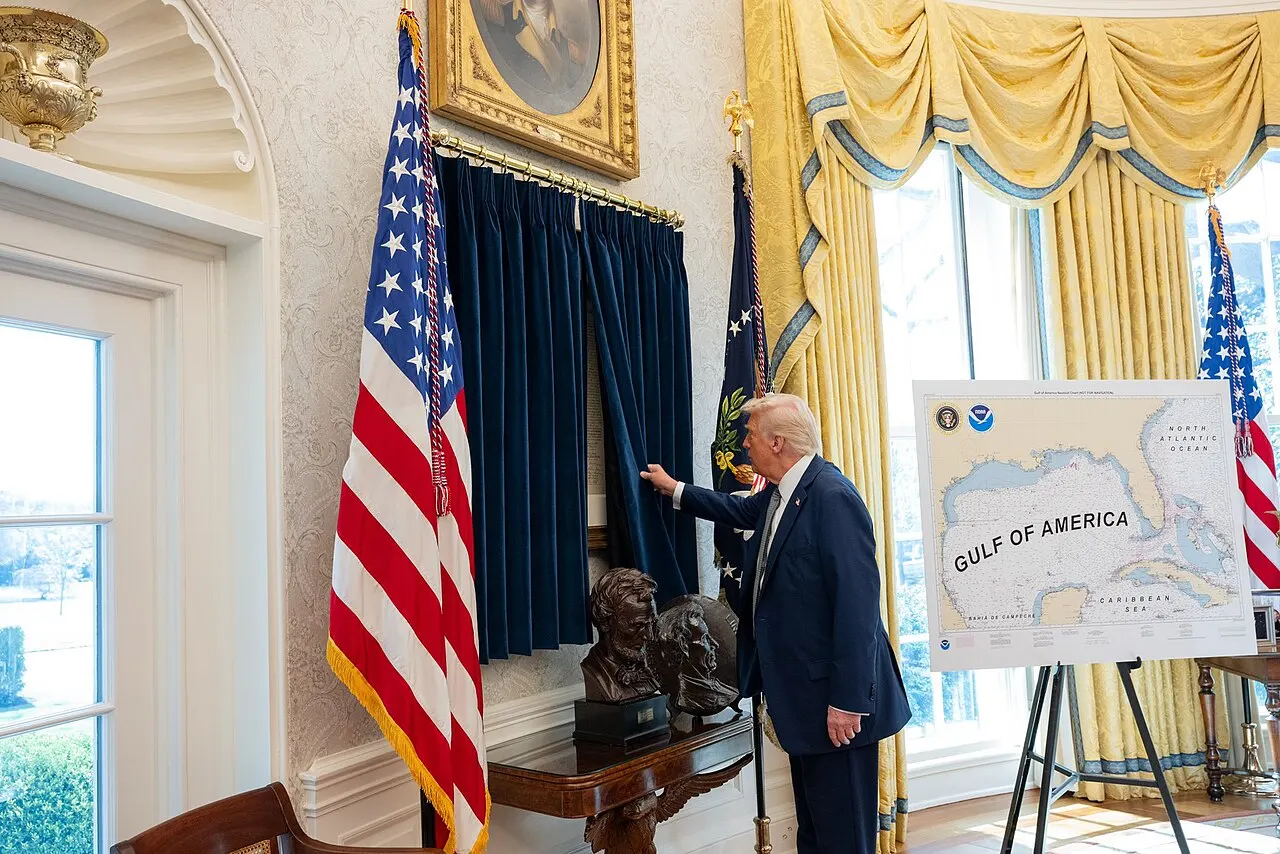
President Donald Trump signed an executive order on Thursday declaring the Oval Office a national monument. The order covers the room he has spent months redecorating, and Trump said it would stop future presidents from tearing it apart.
"We're making it a national monument," Trump told reporters as he signed the order. He said the room would not be allowed to be touched by anybody, or ripped down to be rebuilt in a slightly different shape.
The order does not go as far as that sounds. Its own text leaves future presidents free to redecorate, choose furnishings, and make ordinary operational and security changes, as long as they do not substantially damage the room's historic structure or character. It also puts the National Park Service in charge of maintaining the Oval Office in a way that protects its historic character and its ties to the presidency.
Why it matters
The order lands in the middle of Trump's wider remake of the White House. Months ago he tore down the entire East Wing, a project that was never approved by Congress and has drawn legal challenges. Construction is still going, with the space set to become a new ballroom.
Trump has also made sweeping cosmetic changes to the Oval Office itself, adding gold-framed portraits and mirrors, gold wall decorations, and a large gold plaque reading "Oval Office" outside the room. He paved over the Rose Garden and added a new helicopter pad on the South Lawn. He said the White House had been "badly damaged" before his changes, pointing to broken windows, cracked walls, and broken stone, and said world leaders who visited in recent months had complimented the new look.
The current Oval Office dates to the early 1930s, when President Franklin D. Roosevelt had it built. Congress has carved out an exemption to the National Historic Preservation Act so presidents can make needed changes to the White House, and the grounds already carry a National Historic Landmark designation.
Preservation lawyer Greg Werkheiser, of the firm Cultural Heritage Partners, called the order "hypocrisy." He argues the administration has tried through lawsuits to weaken the laws that protect historic sites, while claiming to protect this one. He also notes that furniture and decor are "completely up to the president's discretion," and that presidents can generally do what they want "as long as they're not damaging the permanent art and architecture."
What it means for the US
For Americans, the order is mostly about who gets to decide what the White House looks like, and how much of that decision one president can lock in for the next. The Oval Office is the most photographed room in American government, and every president leaves a mark on it. Trump's order tries to freeze his version in place.
The legal ground is shaky. Most executive orders can be undone by the next president, and Trump himself scaled back two national monuments in Utah in 2017. No court has yet tested whether a president can revoke a national monument designation, so the order's staying power is an open question.
It also puts a spotlight on the East Wing ballroom project, which continues despite the lawsuits and the lack of congressional approval. [Trump's planned triumphal arch in Washington](/article/trump-arch-nears-approval-judge-weighs-block) was temporarily put on hold by a federal judge, another of the president's building projects now tangled in court.
What happens next
The order's fate will likely be decided by the next president or a court. A future president could try to reverse it with their own executive order, and preservation groups could challenge whether a single room inside a working government building can be locked away as a monument.
Meanwhile, construction on the East Wing ballroom continues, and [Democrats in the new Congress plan investigations of the Trump administration](/article/democrats-plan-trump-investigations-new-congress), which could put the White House building projects under fresh scrutiny.