The background
Russia launched its full-scale invasion of Ukraine in February 2022. More than four and a half years later, the war is still fought mostly on Ukrainian soil — but Kyiv has spent that time building a weapon that lets it fight far beyond it.
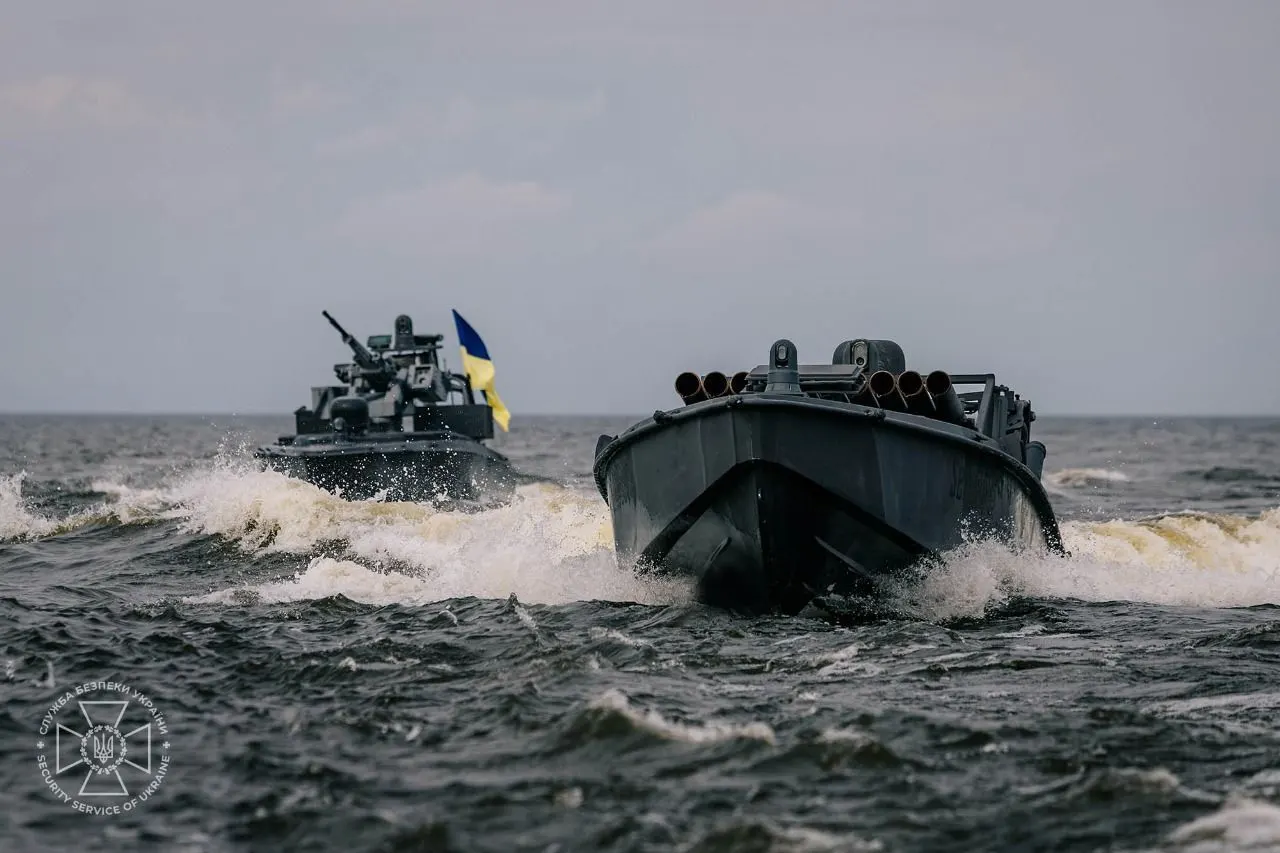
Ukraine had almost no navy when the war began. It answered with naval drones: small, fast, uncrewed boats packed with explosives and guided from hundreds of miles away. They have sunk or damaged Russian warships in the Black Sea and pushed much of Russia's fleet away from Ukraine's coast.
The other target is money. Russia moves oil and military supplies on a fleet of tankers and cargo ships — the so-called shadow fleet — that helps it keep exporting despite Western sanctions. Some of those ships sail the Mediterranean, carrying supplies between Russia and its partners in Africa. Ukraine has decided they are fair game, wherever they sail.
Where things stand
On Sunday morning, seven Ukrainian naval drones struck the Russian corvette Merkury at the Benghazi naval base in Libya, according to President Volodymyr Zelenskyy. Satellite images showed the ship on fire at 05:47 GMT. By the end of the day, most of the vessel had capsized and sunk, with only its bow still above the water.
The Merkury was a Project 20380 Steregushchiy-class corvette, commissioned in 2023. Zelenskyy called it one of Russia's newest ships. He said the same attack hit a second vessel, the container carrier MV Angara, which he claimed was being used to transport weapons, and destroyed a Ka-27 military helicopter.
It was the second strike in two days. On Saturday, [the Sparta II was hit in the Gulf of Finland](/article/russian-cargo-ship-sparta-ii-drone-attack-gulf-of-finland) while sailing toward Kaliningrad, Russia's Baltic exclave. The cargo ship caught fire and drifted into Finnish waters. All 16 crew members were evacuated, with one slightly injured. Finland's military said Ukraine was likely behind the attack. Kyiv has not commented on it.
At least four Russian vessels have been targeted in November, and the pattern is not new. In March, Russia accused Ukraine of attacking the tanker Arctic Metagaz in the Mediterranean with sea drones. In December 2025, Ukraine claimed a strike on a Russian-linked oil tanker in the same waters.
The reactions show how far the war has travelled. The Kremlin warned of an "escalation of tensions in the region" but declined to comment directly on the Libya attack. Libya's eastern government condemned the strike as a violation of its sovereignty, saying the ship was using Benghazi port under an existing maritime agreement. The UN mission in Libya called for an "immediate, independent and transparent investigation" and said: "Libya cannot afford, and must not become a battleground for foreign conflicts."
Analysts say the geography is the point. Alexey D. Muraviev, a defence scholar at Edith Cowan University, told Al Jazeera the Mediterranean has "firmly become an external theatre of operations" for the war. He warned the Gulf of Finland is more dangerous still, because Russian and NATO forces operate so close together there.
What it means for the US
Washington is the country with the most at stake in where this war goes next. The United States is Ukraine's biggest military backer, and Kyiv is pressing it for more help right now — [Zelenskyy recently urged the US to release Patriot missiles](/article/zelenskyy-urges-us-release-patriot-missiles-russia-kills-3) as Russia intensifies its air attacks on Ukrainian cities.
The Baltic incident is the one to watch. Finland is a NATO ally, and the Gulf of Finland is a narrow stretch of water where Russian and NATO forces operate side by side. A drone strike that goes wrong there — a ship drifting into allied waters, a crew killed, a misread response — could pull the alliance into a confrontation nobody planned.
The shadow fleet matters to American readers for a simpler reason: it is the sanctions regime the US helped build. Every tanker Ukraine hits makes it harder and more expensive for Russia to sell oil around those sanctions, and adds risk for the insurers and shipping firms that move oil worldwide. Higher shipping risk eventually shows up in energy prices.
What to watch next
Three things will tell us how big this gets. First, whether Kyiv claims the Sparta II attack, as it did in Libya — a claim would confirm the Baltic is now an open front. Second, what Russia does in response. Moscow has so far warned of escalation without saying what form it takes, and its defence ministry has promised information on the Libya attack. Third, whether the strikes continue. Four ships in one month suggests a campaign, not a one-off — and the Mediterranean is full of Russian-linked vessels.