What happened
Negotiators from around the world are meeting in Geneva this week to decide whether lethal autonomous weapons, the so-called "killer robots," should face binding international rules. The talks are taking place under the United Nations Conference on Certain Conventional Weapons, a body that meets just once every five years.
Supporters of controls call this the last best chance to agree on limits before the technology outruns the law. Some experts warn the world is only months away from weapons that can pick targets and decide to kill on their own, with no human in the loop.
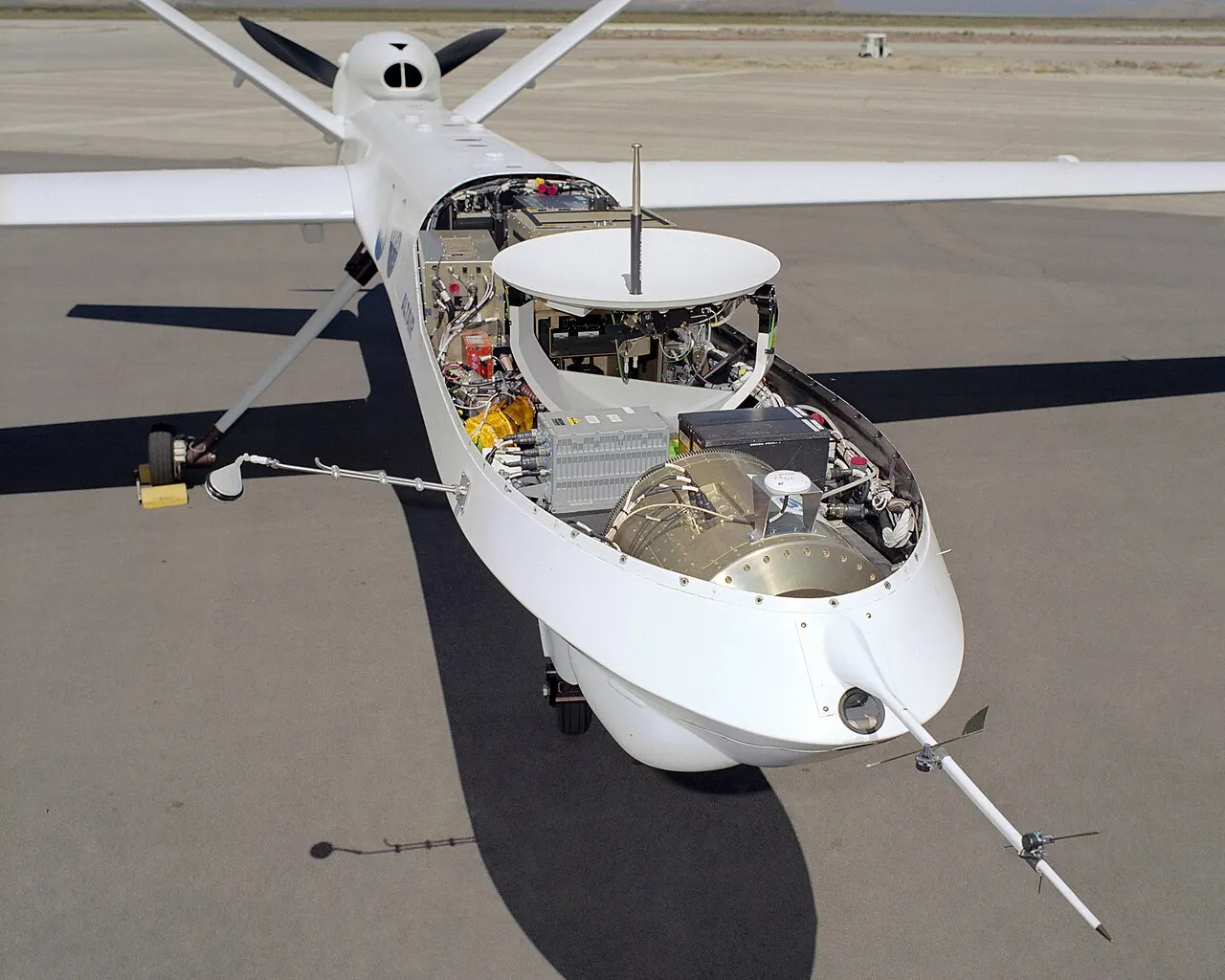
AI-assisted weapons are already in use. In Ukraine and Gaza, they have been used to strike targets, and Ukrainian civilians have reported being hunted by drones while shopping or going to school. Those weapons are still guided by humans from a distance. The systems under discussion in Geneva would remove that human control entirely.
Why it matters
The core question is who bears responsibility when a machine decides to kill. The United Nations, the International Committee of the Red Cross and the Pope have all called for legally binding rules before the talks began. UN Secretary-General Antonio Guterres has warned that letting fully autonomous weapons kill would cross a moral red line.
The Red Cross says the laws of war, the Geneva Conventions, cannot be fully respected by a machine. War is chaotic and fast-moving, and under those rules a soldier who is wounded or trying to surrender can no longer be targeted. Georgia Haines, a legal adviser with the Red Cross, said autonomous weapons cannot read context the way a person can, so the risk of hitting the wrong target is incredibly high.
The danger is not limited to battlefields. Human rights groups warn the technology is getting cheaper and easier to use. The more militaries adopt it, the greater the chance it spreads to terrorist groups or to police forces in repressive states. In theory, a swarm of autonomous drones could be programmed to kill everyone wearing a red sweater, everyone carrying a poster, or everyone speaking a certain language.
Drones have already become central to modern warfare. Ukraine's [biggest drone attack of the war](/article/crimea-bridge-hit-in-biggest-ukrainian-drone-attack-of-war) showed how far the technology has come, and how quickly it is spreading. At least 50 countries, including Ireland, Italy, Brazil, Mexico, France and Germany, want a strict timetable for binding rules. That push is running into resistance from the countries already building and using semi-autonomous weapons.
What it means for the US
The United States, Russia and Israel are set to oppose legally binding rules. Washington has instead proposed a five-year timetable to draft non-binding guidelines, a slower path that critics say leaves the door open for the weapons to spread unchecked.
That stance fits a longer pattern. The US has traditionally been a late adopter of international treaties. It never ratified the Ottawa Convention banning landmines, although it eventually stopped deploying them and cut its stockpiles.
Under President Donald Trump, Washington has grown more skeptical of international law. The administration has imposed sweeping sanctions on the International Criminal Court. Just this weekend, Secretary of State Marco Rubio told a Federalist Society audience that leaders should not be quoting laws to men with swords.
For American readers, the stakes are practical as well as moral. The US military is one of the largest developers of AI-assisted weapons, and the rules agreed in Geneva, or the failure to agree on any, will shape what American forces can build and deploy. Washington has already moved to tighten control over advanced AI technology, including [closing a loophole that let Chinese firms access US AI chips remotely](/article/us-closes-loophole-china-remote-access-ai-chips). The same technology that powers weapons is also being turned on networks at home: the FBI says [an AI hacking tool breached networks in under three hours](/article/fbi-ai-hacking-tool-artex-breaches-networks-under-three-hours). A world with no binding limits is one where US troops could face the same weapons on future battlefields.
What happens next
UN weapons talks run on consensus, and that has made agreement hard. The one clear success came in 1995, when countries agreed to ban blinding lasers. With landmines, frustrated governments eventually took negotiations outside the UN to create the Ottawa Convention.
This week, diplomats may settle for a compromise: a longer or even open-ended negotiating period to produce rules that each country can adopt as binding or non-binding. Supporters of that approach say it keeps the process alive. Campaigners say it amounts to kicking a very dangerous can down the road.
The talks continue in Geneva, and the gap between the two camps remains wide.