What happened
The U.S. organ transplant system has approved its first national rules for a controversial way of retrieving organs from patients who have just died. The board of the Organ Procurement and Transplantation Network (OPTN) voted on November 6 to adopt the first phase of uniform national guidelines for the procedure, known as normothermic regional perfusion, or NRP. The rules take effect on December 6.
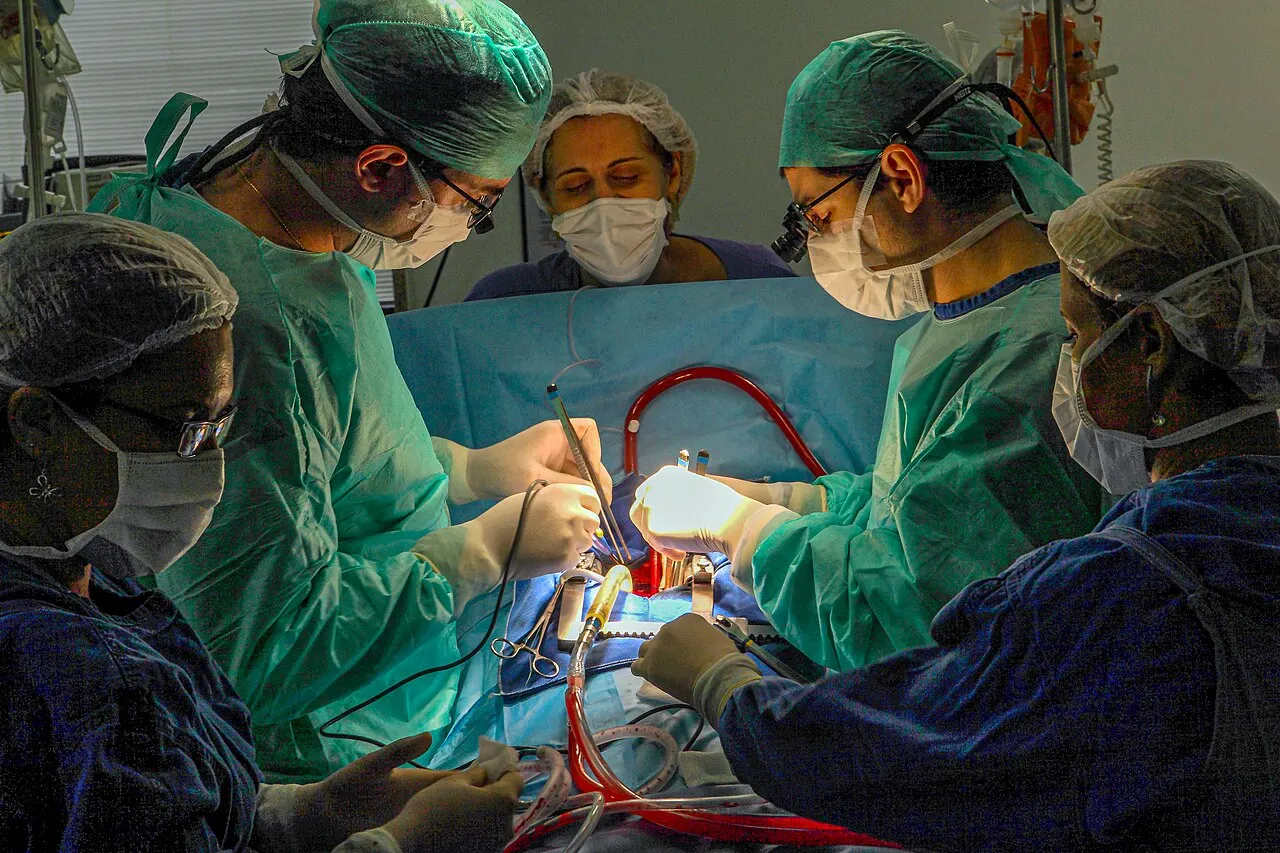
NRP is used after a family has decided to withdraw care because there is no hope of meaningful recovery. Minutes after the patient's circulation stops and the patient is declared dead, doctors connect an external pump that restores blood flow to the heart, lungs, kidneys, liver and other organs. The point is to keep the organs from deteriorating before they are removed for transplant.
The federal Health Resources and Services Administration (HRSA), which oversees the transplant system, says the goal is to get more usable organs, and better ones. More than 109,000 Americans are waiting for a transplant, according to HRSA, and about 12 die every day because there are not enough organs to go around.
Why it matters
The new rules land in the middle of a fierce ethical argument. Critics say NRP breaks the dead donor rule, the bedrock protection for potential donors. That rule says surgeons may only take organs from a patient who is dead, either by brain death or by circulatory death. Because NRP restarts circulation, critics argue it undoes the very condition on which the person was just declared dead.
"In order to be dead by circulatory criteria it means we're not going to attempt to reestablish circulation. But that's exactly what they do in NRP," said Dr. Lainie Friedman Ross, a bioethicist at the University of Rochester. "I think it violates the dead donor rule. It's taking organs from people who are no longer dead."
The second concern is what happens to the brain. When circulation restarts, surgeons clamp the blood vessels that feed the head, aiming to keep the donor brain dead. But transplant teams have reported cases in which blood appeared to reach the brain anyway. "We have seen signs of life in NRP when the brain has been reperfused," said Dr. Claire Morgan, a transplant surgeon who serves on the OPTN's Patient Affairs Committee and was the first to report such cases to HRSA. "It's extremely disturbing."
Those reports pushed HRSA to order the OPTN to investigate and come up with a response. The new guidelines are that response. They require surgeons to go further than clamping: they must also cut holes in the vessels above the clamp, so any blood that gets past it drains out of the head instead of reaching the brain. Dr. Raymond Lynch, HRSA's director of transplantation, described the cut as a second safeguard.
What it means for the US
For the 109,000 Americans on the transplant waiting list, the rules could mean more organs, and organs in better condition. If NRP works as its supporters hope, fewer people will die waiting. That matters to [families already carrying the cost of serious illness](/article/caregiving-costs-jump-60-percent-five-years-aarp), and [health care costs rank among voters' top worries](/article/swing-voters-doubt-divided-government-will-cut-costs).
But the rules also put a federal stamp on a practice many bioethicists consider unethical. The guidelines do not settle the dead donor question. They add a safeguard for the brain, but critics say the core problem stands: a procedure that restarts circulation in a person declared dead on the basis that circulation had stopped.
The policy also sets a national standard where there was none. Until now, hospitals and organ procurement organizations handled NRP in different ways. From December 6, every program in the country will follow the same rules.
What happens next
The guidelines take effect on December 6. The OPTN approved only the first phase, which leaves room for more rules later. Watch whether hospitals adopt NRP more widely now that a national standard exists, and whether the ethical debate draws a response from Congress or the courts.