What happened
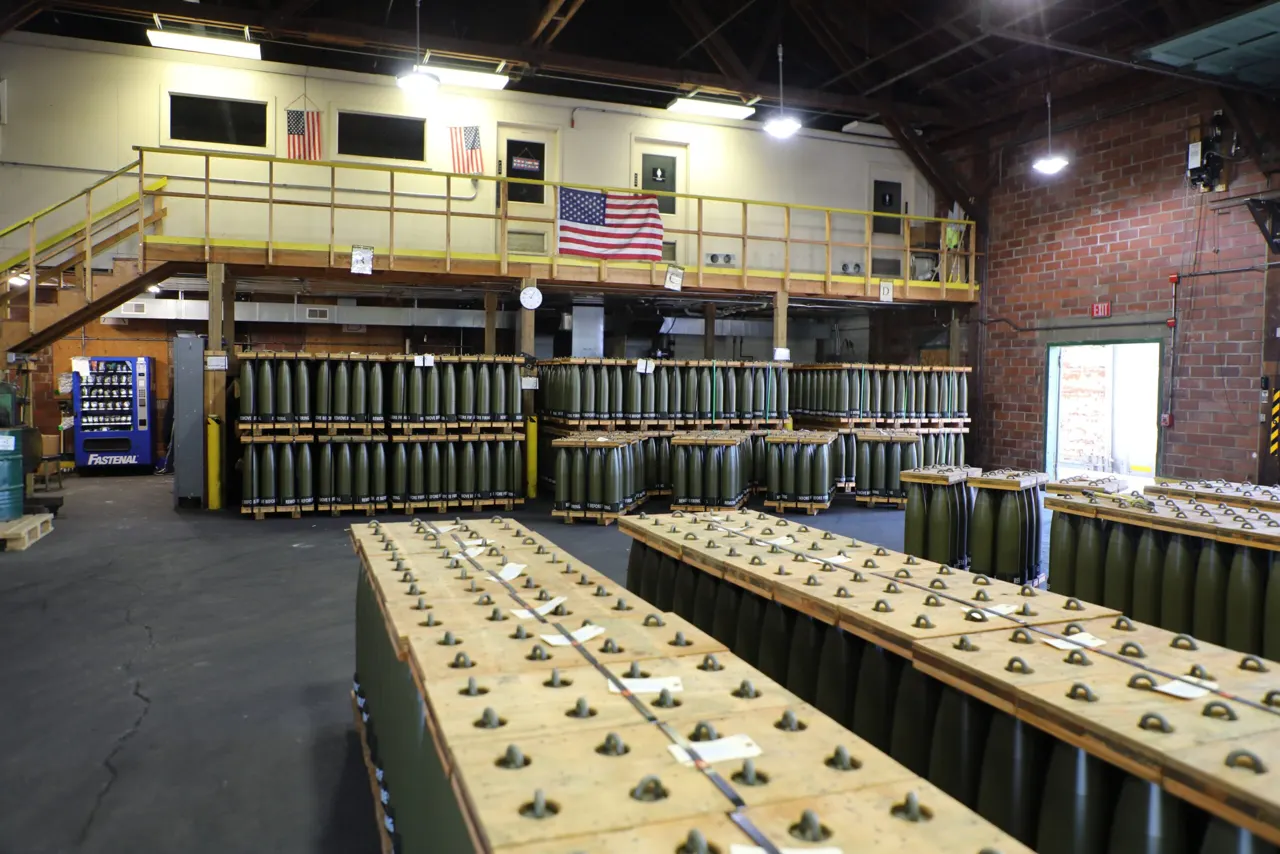
The US Army plans to go ahead with a controlled detonation of five tonnes of degraded explosives at the Iowa Army Ammunition Plant in Middletown, even though a federal court ordered the blast halted indefinitely.
The Justice Department told the court on Saturday that the Army needs to act fast. "To protect its personnel and the surrounding communities, the Army needs to take swift action," the filing said. "Protection of human health and the environment demand action now, not delay."
The court stepped in after environmental groups sued, arguing the Army had not properly considered safer alternatives. The detonation was first scheduled for Friday. The Army now plans to carry it out by November 24 under an emergency exemption.
Why it matters
The explosive is lead azide, a highly volatile compound used in detonators. Earlier this year, the plant found the material had degraded so much it was too dangerous to move, according to Iowa Public Radio. The Army says the risk of an accidental blast will grow as temperatures drop below 30 degrees Fahrenheit (minus 1 Celsius) in the coming days.
It also told the court it had already removed the doors from the bunker where the barrels are stored, leaving the explosives more exposed to temperature swings. The Environmental Protection Agency granted an emergency permit to detonate 68 drums of the material, saying the risk "presented an imminent and substantial threat to human health and the environment."
People living near the plant were warned to leave their homes for six hours on the original detonation day, and an advisory told "all humans" to stay out of the affected areas. The Iowa Environmental Council, one of the groups suing, said many residents inside the risk zone had no idea the blast was coming. "There is no safe level of lead exposure, and Iowans were given just days to prepare for the November 20 detonation," the group said.
Military sites have produced deadly accidents before. A fire at Canada's Wainwright base killed several people earlier this year, and [investigators are still working through what went wrong there](/article/wainwright-military-base-fire-canada).
What it means for the US
For Americans living near military sites, the case is a blunt reminder that aging stockpiles of explosives and chemicals sit close to civilian communities, and that decisions about them can move faster than public notice. The Army's position is that waiting is the bigger danger: a cold snap could set off the degraded lead azide on its own, with no warning and no evacuation.
The fight also tests how much room the courts have to second-guess the military on safety calls. The government is leaning on an emergency exemption to act anyway, and the case adds to a [growing pile of court fights over federal power](/article/supreme-court-weighs-scrapping-right-to-sue-federal-officers).
What happens next
The Iowa Environmental Council and the Sierra Club, which filed the lawsuit on Thursday, asked the court on Sunday to pause proceedings so they can submit more information before the blast. Their motion includes statements from environmental experts and local officials who back a delay, citing the short notice and doubts about the Army's claim that waiting would be dangerous.
The government has not released details of the rescheduled detonation. The Army says it is working with the Department of Health and Human Services and the EPA to carry it out as safely as possible, and that detonating the material in place is the safest way to remove the hazard.