What happened
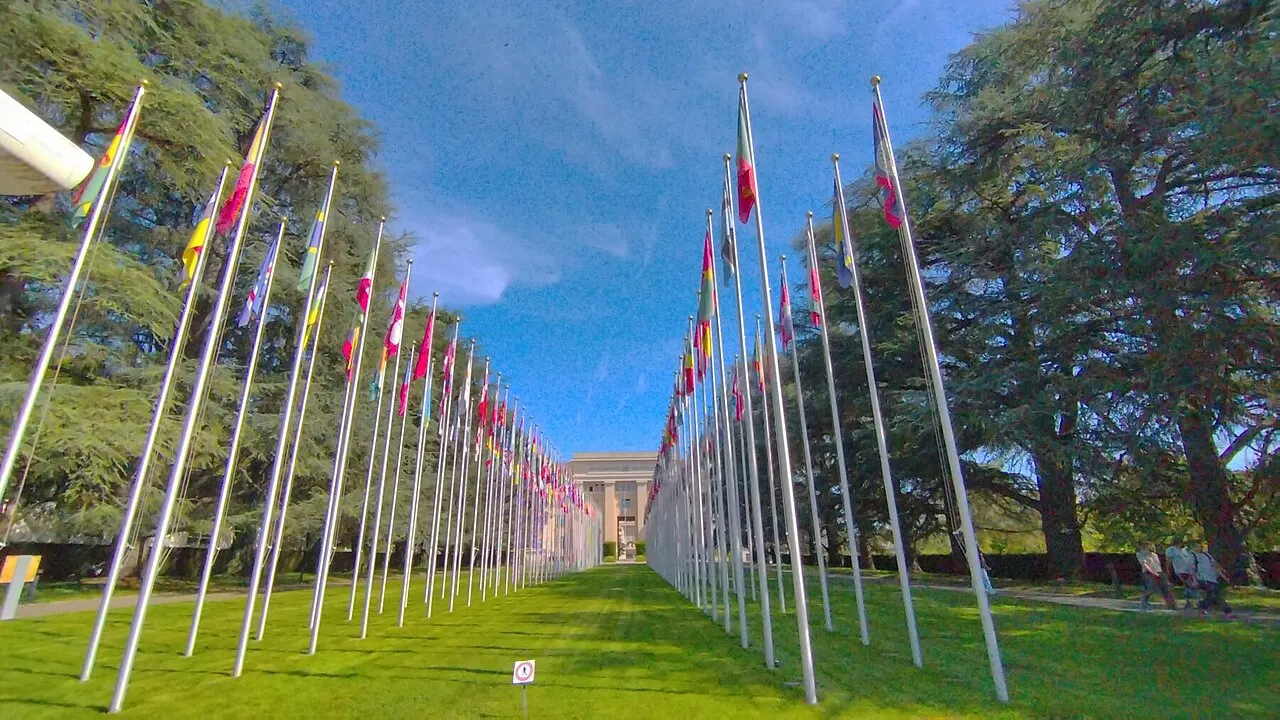
GENEVA — The United States left an empty chair at a key United Nations human rights review on Tuesday, boycotting the session for the second year in a row. No other UN member state has ever skipped the review twice.
The review, known as the universal periodic review, puts every one of the 193 UN member states through a peer examination of its human rights record once every four to five years. The point is that no country, however powerful, gets to skip it.
Civil society groups can also submit evidence to the review. Several made the trip to Geneva, led by the American Civil Liberties Union. Jamil Dakwar, the ACLU's human rights director, told reporters the current US administration was violating human rights "unabashed," pointing to the treatment of immigrants, student protesters and the LGBTQ community. He warned the Trump administration wanted to "dismantle human rights" and said the UN must hold Washington accountable.
In a written response, the State Department said Washington had already formally withdrawn from the UN Human Rights Council, accusing the council of "pushing anti-American rhetoric."
Why it matters
Leaving the council does not get the US out of the review. The council has 47 elected members, but the review itself is obligatory for all 193 member states. Rights groups see the boycott as part of a wider pattern of disengagement from multilateral bodies — Washington has also sanctioned the International Criminal Court and decided to leave the World Health Organization.
The UN has few ways to punish a country that refuses to take part. Israel skipped a review in 2013, protesting what it called anti-Israel bias, but returned nine months later after the UN rescheduled. Until now, no country had failed to turn up twice.
Rights groups want the UN to hold the review anyway and hear the evidence. Member states had already drafted questions for US diplomats, including questions about the death penalty and restrictions on abortion.
But UN insiders worry about the precedent. Even North Korea takes part in the review process. If the UN goes ahead without the US, other countries might decide they can stay away too, leaving rights groups to present their evidence, as one put it, "in a vacuum."
What it means for the US
For Americans, the effect is direct. The review is a last resort for victims of human rights violations, and for now that route is closed to US citizens. One rights activist in Geneva called the situation "a crisis of accountability."
The boycott also weakens Washington's standing when it criticizes other countries' records. The US has long used the UN's human rights machinery to pressure rivals; skipping its own review hands those rivals an easy reply.
Back in Washington, [Congress has returned for its lame-duck session](/article/congress-returns-lame-duck-session-funding-deadline), and the [Democrats who won Congress in the midterms](/article/democrats-won-congress-what-happens-next-explained) take over in January — the same window in which the UN plans to revisit its response.
What happens next
The UN has postponed the hard question — how to respond to a country that refuses to take part — until early next year. For now, the review of the United States is on hold, and the evidence gathered by rights groups has nowhere official to go.
Whether the review goes ahead without the US is now the decision facing the UN, and the precedent it sets will be watched well beyond Geneva.