What happened
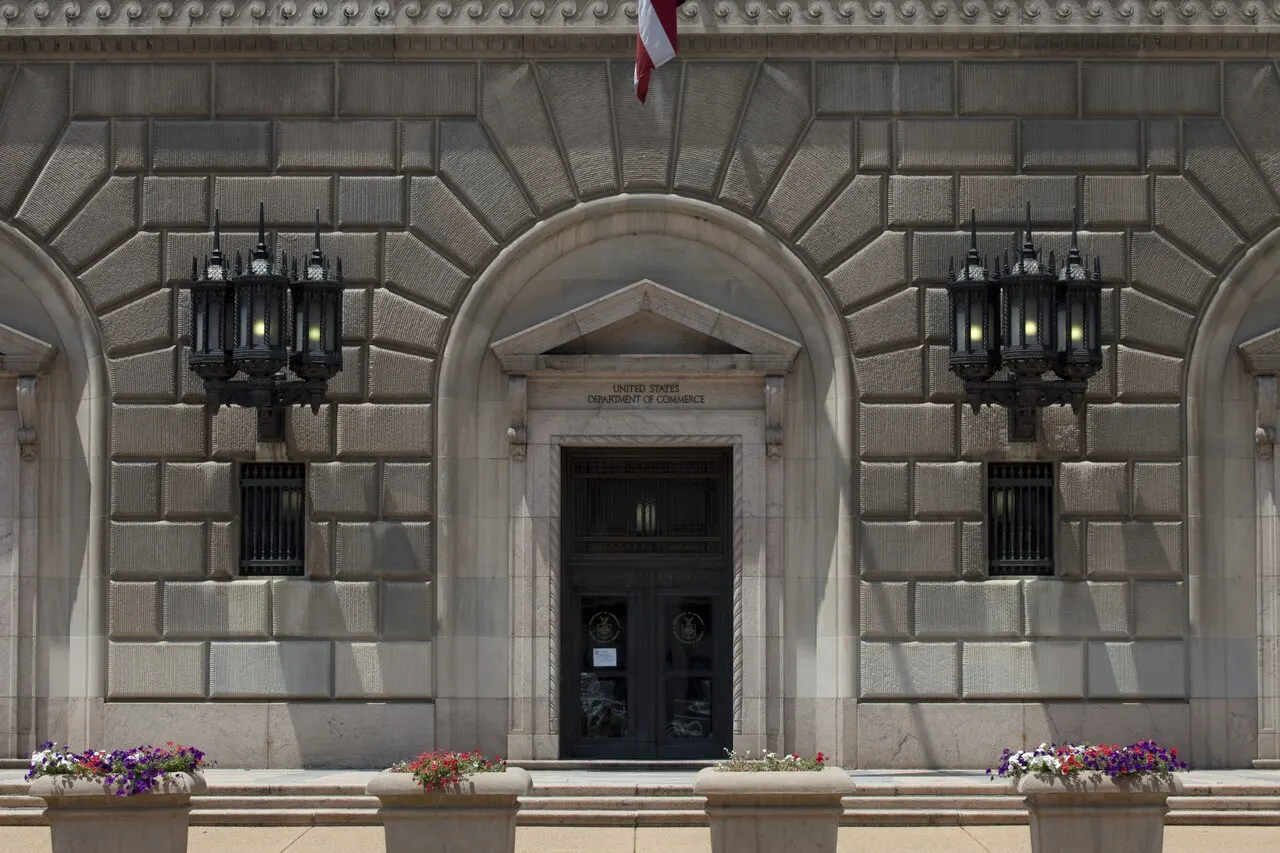
The Commerce Department moved on Monday to block a workaround that let foreign adversaries tap into advanced American AI chips without buying them. Its Bureau of Industry and Security announced a new rule aimed at remote access to AI chips and servers through data centers outside the United States.
The gap was simple. Since October 2022, American companies have needed a government license to sell advanced computing chips to China, including Hong Kong and Macau. But those same chips could still be reached remotely, from a data center in a third country, by a customer who never took physical delivery. The new rule is designed to shut that door.
The announcement comes as the fallout from the Nvidia scandal keeps spreading. Jensen Huang stepped down as chief executive last week after reports that he had a romantic relationship with a woman US intelligence officials suspected of being a Chinese intelligence operative. NPR has not independently verified those claims.
Why it matters
The case that exposed the loophole centers on Megaspeed International, a Singapore-based data center company with facilities in Malaysia. US officials suspect the company of selling Chinese firms remote access to American AI chips. Megaspeed said on Sunday that it "conducts legitimate and lawful business" and has hired outside lawyers to run an internal investigation.
Alice Huang, a former Megaspeed executive who is not related to Jensen Huang, is at the center of the intelligence allegations. Jensen Huang had personally lobbied President Trump to loosen restrictions on Nvidia chip sales to China. It is not known whether Alice Huang influenced that lobbying.
The rule also marks a reversal for the Trump administration, which had resisted new controls on foreign access to American AI technology. The Biden administration wrote a framework to control the worldwide distribution of advanced AI chips on January 15, 2025, five days before Trump's inauguration. In May 2025, Trump's Commerce Department said it would not enforce that framework and planned to rescind it, calling it "ill-conceived and counterproductive." [Congress moved last week to tighten AI chip export rules after the Nvidia scandal](/article/congress-tighten-ai-chip-export-rules-china-nvidia), and the [suspected link between Megaspeed and Chinese buyers](/article/china-spy-nvidia-megaspeed-huang-testify) has kept the story in the headlines.
The dispute sits inside a much larger fight over who controls the computing power behind artificial intelligence. For the full background, see [The US-China Chip War, Explained](/article/us-china-chip-war-explained).
What it means for the US
For American readers, the rule is about keeping the country's lead in AI from leaking away through a back door. The Commerce Department said the United States is the global leader in advanced computing and is "committed to promoting the global adoption of American technology for legitimate commercial purposes" while keeping sensitive technology out of hands that threaten national security.
The administration now refers to artificial intelligence as "super intelligence," a term adopted after an executive order signed by President Trump in September. The language signals how central the technology has become to Washington's thinking about national power.
The practical stakes are concrete. The chips at issue power everything from AI research labs to military planning tools, and the companies that make them, led by Nvidia, are among the most valuable in the American economy. A rule that actually closes the remote-access gap protects that edge. A rule full of holes would not.
What happens next
Both Jensen Huang and Commerce Secretary Howard Lutnick are expected to testify before Congress this month and next month. The hearings are likely to focus on what the administration knew about the intelligence allegations, and when.
There will probably be further investigations once Democrats take control of Congress in January 2027. Rep. Yvette Clarke, Democrat of New York, told NPR the goal is to get witnesses under oath: "We need to get the facts investigated, bring in individuals to give us as much information as possible under oath, so that we can get to the bottom of why this happened."
The rule itself will now go through implementation, and the test will be whether it reaches the overseas data centers where the remote access actually happens.