What happened
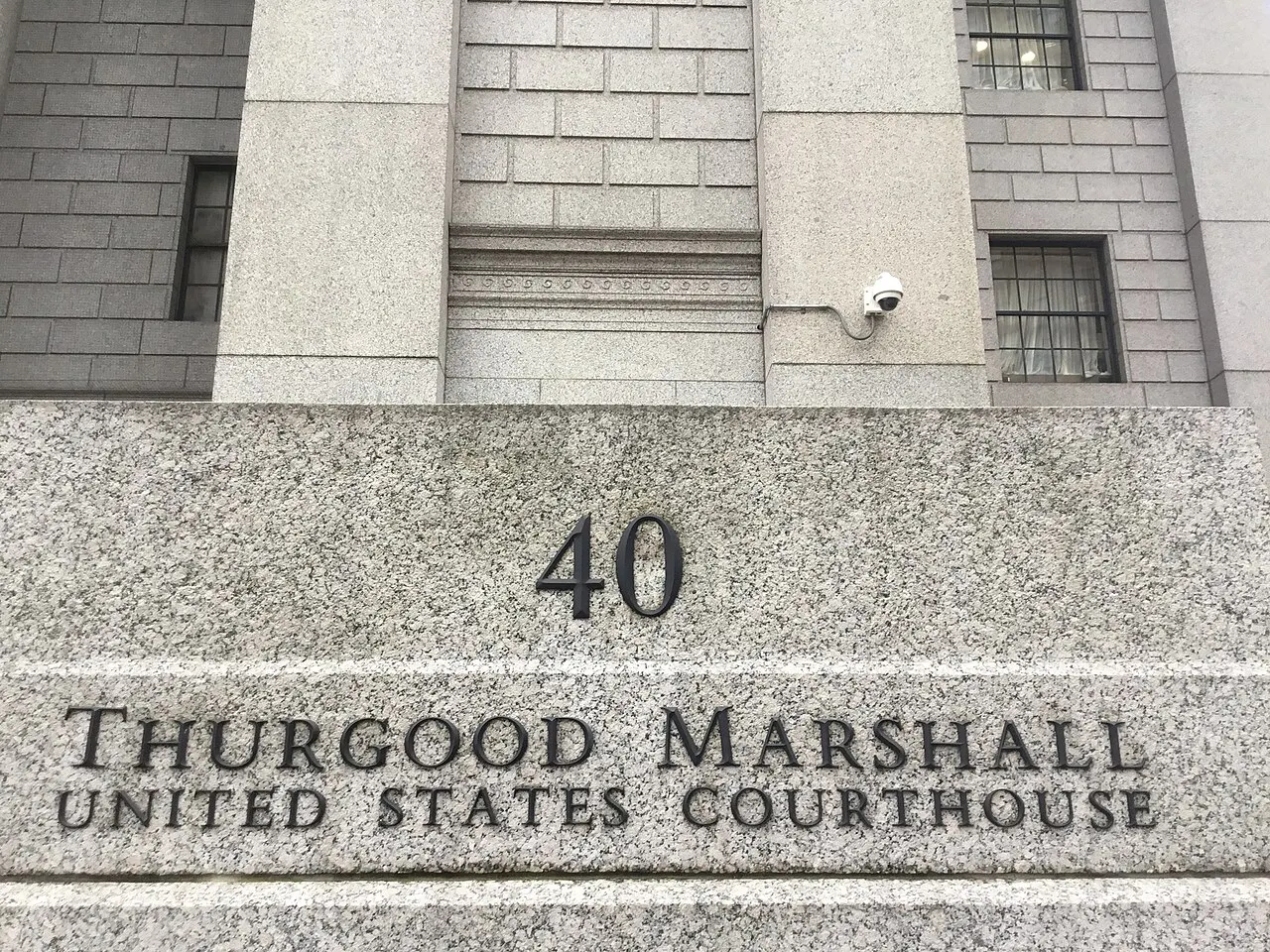
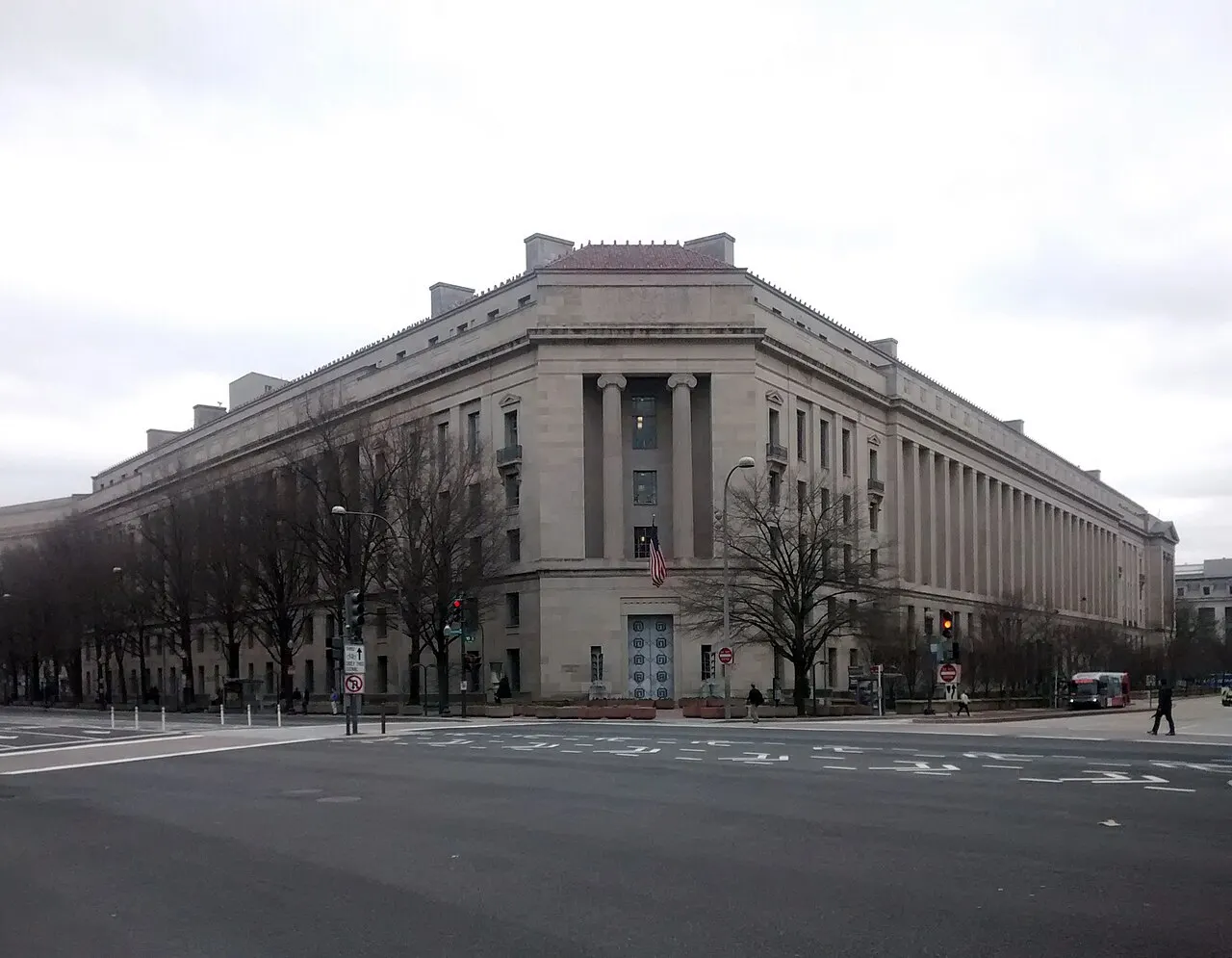
The US government has confirmed it is investigating Megaspeed, a Singapore-based computing firm, over suspicions it helped ship Nvidia chips to China in breach of American export controls.
The Justice Department and the Commerce Department issued a joint statement on Monday, saying they had been looking into the company since 2024. The statement said it was in the public interest to set out the facts and correct inaccurate information about the case.
The departments also released a timeline. In May 2025, Commerce investigators asked Nvidia for records covering its direct and indirect sales to Megaspeed. A month later, Nvidia put Megaspeed on its "no sell" list. Agents from the Commerce Department's Bureau of Industry and Security then visited the firm's premises with Singaporean law enforcement officers and interviewed Alice Huang, who was chief executive at the time. After that enforcement action, the Justice Department took the lead on the criminal investigation.
Megaspeed is the largest buyer of Nvidia chips in South East Asia. It is suspected of diverting advanced chips to China. The company said on Sunday it had started an internal investigation into its business.
The case came into the open after Nvidia founder Jensen Huang resigned as chief executive last week, following revelations that he had two affairs. One was allegedly with Alice Huang, a former Megaspeed executive. US authorities suspect her of spying for Beijing. China denies that. [Huang has agreed to testify before Congress](/article/china-spy-nvidia-megaspeed-huang-testify), including the House Select Committee on China, about whether US national security was compromised.
Why it matters
This is about the chips at the centre of the US-China technology race. Washington bans the sale of Nvidia's most powerful AI chips to China, and it has spent years tightening the rules that keep them out of Beijing's hands. If the chips reached China anyway through a middleman in Singapore, the controls failed at exactly the point they were meant to hold.
The case has also split the administration. On Friday, Treasury Secretary Scott Bessent blamed the Commerce Department, led by Howard Lutnick, for failing to police the shipments properly. Lutnick has now been called to testify before the Senate Banking Committee next month about his department's role in allowing Nvidia to export its advanced chips.
Singapore itself does not ban the transfer of advanced AI chips to companies abroad. But a shipment that is legal under Singaporean law can still break US export controls when American technology is involved, and that gap is where this case sits.
What it means for the US
The government made its view of the stakes plain. It said semiconductors are among the most valuable and strategic assets of the US economy, and that the two departments will stay vigilant in pursuing anyone who tries to compromise America's technological edge. It also said it would bring the full extent of the law against Megaspeed for any criminal conduct that may have occurred.
The White House said on Monday it will further restrict China's access to AI chips from firms such as Nvidia. [Congress is already moving to tighten the export rules](/article/congress-tighten-ai-chip-export-rules-china-nvidia), and the administration [closed a loophole on remote access to AI chips on Monday](/article/us-closes-loophole-china-remote-access-ai-chips). For US chipmakers, the message is that selling through intermediaries will face closer scrutiny. For American readers, the fight is about whether the most advanced computing power stays in friendly hands.
What happens next
Lutnick's Senate Banking Committee appearance comes next month. Huang's congressional testimony will follow, with the House Select Committee on China among the panels set to hear him. The Justice Department's criminal investigation continues, and the White House's promised restrictions on China's access to AI chips are still to be spelled out in detail. Megaspeed's own internal investigation is also under way, with the firm retaining outside lawyers to examine its business.