What happened
The United States and Venezuela signed a military co-operation agreement on Wednesday, restoring defence ties less than a year after US forces seized then-President Nicolás Maduro in a raid on Caracas.
The deal was signed in Caracas by US Defence Secretary Pete Hegseth and Venezuela's defence minister, alongside interim President Delcy Rodríguez, Maduro's former vice-president. Few details have been published. Rodríguez said the agreement covers training for Venezuela's armed forces, better operational equipment and access to new technology to confront shared threats.
Hegseth framed the deal as a sharp reversal. He said Venezuela had "gone from our most aggressive regional threat to a compliant security partner" in less than 12 months, and called the agreement a new chapter for both countries and the wider hemisphere through the US-led Americas Counter Cartel Coalition.
Speaking at the US embassy in Caracas, Hegseth noted that his visit would have seemed impossible a year ago. He recalled Maduro taunting Washington from a stage a year earlier — "Come and get me!" — and answered: "Well, we answered that call." He added that the January raid had ended as Maduro himself once predicted: "No war, yes peace."
Why it matters
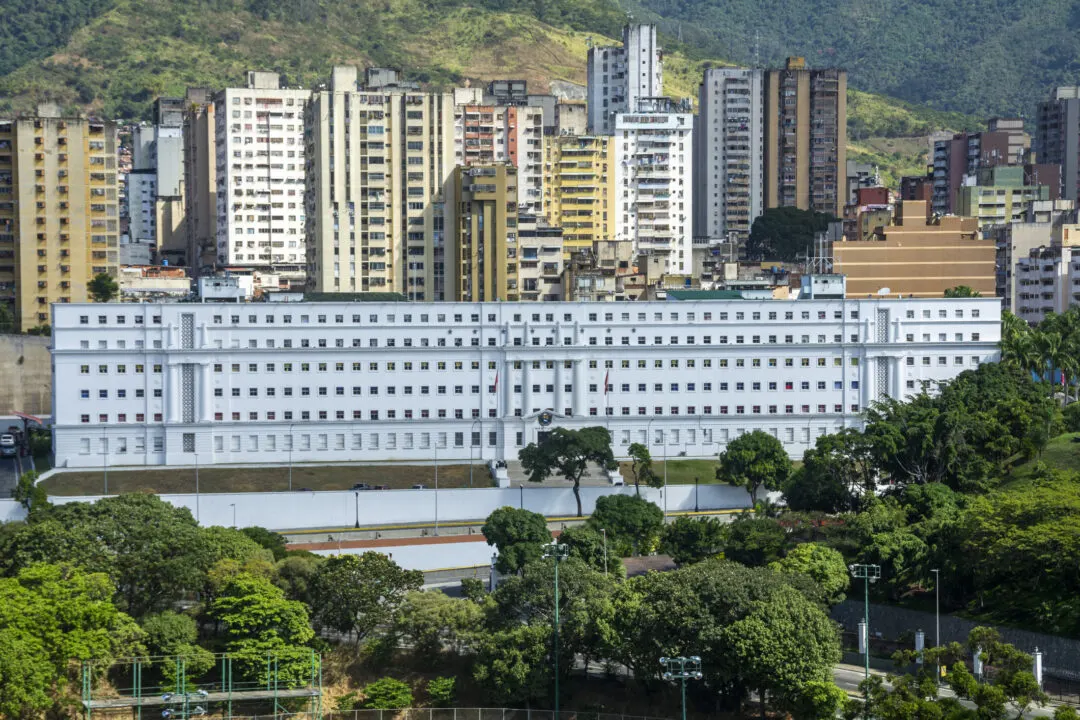
Military co-operation between the two countries ended in 2005, when then-President Hugo Chávez cut it off. Chávez accused American trainers of disparaging his government and claimed the US military office at Fuerte Tiuna, Venezuela's largest military complex, was working against him. Relations slid further under Maduro, and hit bottom late last year when Washington doubled the reward for information leading to his capture to $50 million and then seized him on 3 January.
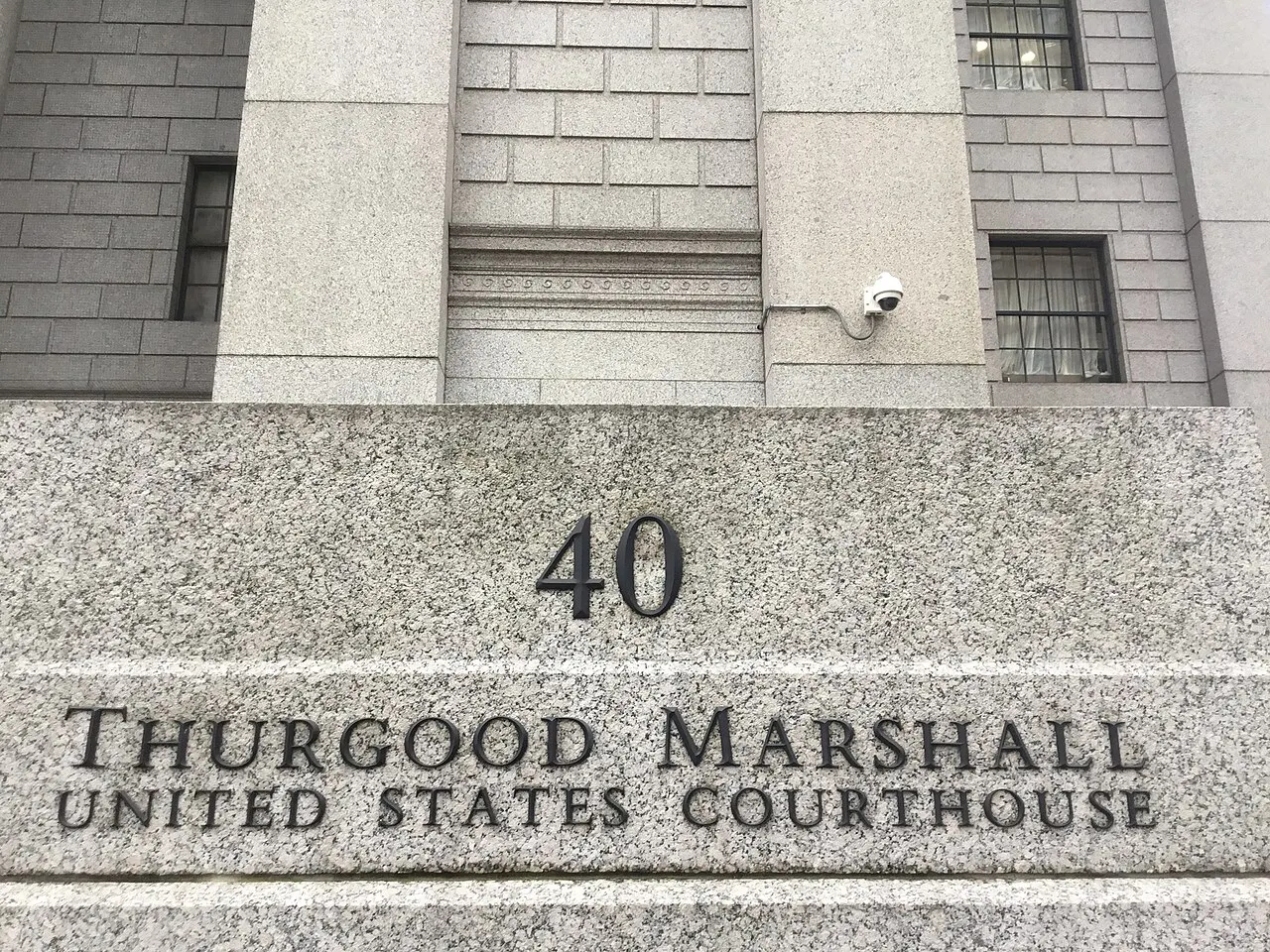
Maduro and his wife, Cilia Flores, are now in custody in New York, facing drug-trafficking and torture-conspiracy charges they deny. The new agreement turns that confrontation into something else entirely: a formal security partnership between Washington and the government that succeeded the man it removed.
Hegseth has already been a divisive figure at home — the House [blocked an impeachment bid against him](/article/us-house-blocks-hegseth-impeachment-bid) — and this deal puts him at the centre of a major foreign-policy shift. The agreement also fits a wider regional pattern. From Caracas, Hegseth travelled to Colombia, where President Abelardo de la Espriella is a close ally of the Trump administration. Colombia already belongs to the Americas Counter Cartel Coalition, and Hegseth floated joint US-Colombian operations against armed groups in August. On Wednesday, de la Espriella denied a New York Times report that he had rejected such operations, saying any decision would respect Colombia's constitution, laws and sovereignty. Hegseth reposted the message, saying the partnership "is stronger than ever before".
What it means for the US
For American readers, the deal changes the shape of US engagement in the Caribbean and northern South America. Instead of pressure and confrontation, Washington now has a formal military partner in Caracas, inside a coalition aimed at drug cartels that move narcotics toward the United States. If the training and equipment sharing works as described, it could mean fewer drugs reaching US streets and a steadier partner in a region where the US has spent years trying to contain trafficking routes.
It also carries political weight at home. The Trump administration removed Maduro by force in January; less than a year later it is signing defence agreements with his successor's government. Supporters will call that a vindication of the raid. The question now is what Washington gives in return, and how durable the partnership proves if politics in Caracas shifts.
What happens next
No timetable has been published for the training or equipment transfers Rodríguez described, and no text of the agreement has been released. The first concrete test will be whether joint activity under the Americas Counter Cartel Coalition becomes visible — and whether the deal extends to the joint operations with Colombia that Hegseth has floated.
Hegseth also issued a blunt warning to the groups the coalition targets, saying of drug traffickers using Venezuela as a haven: "we will hunt you down, we will find you, and we will kill you." That language suggests the partnership will be measured first by action against cartels, not by ceremony.