What happened
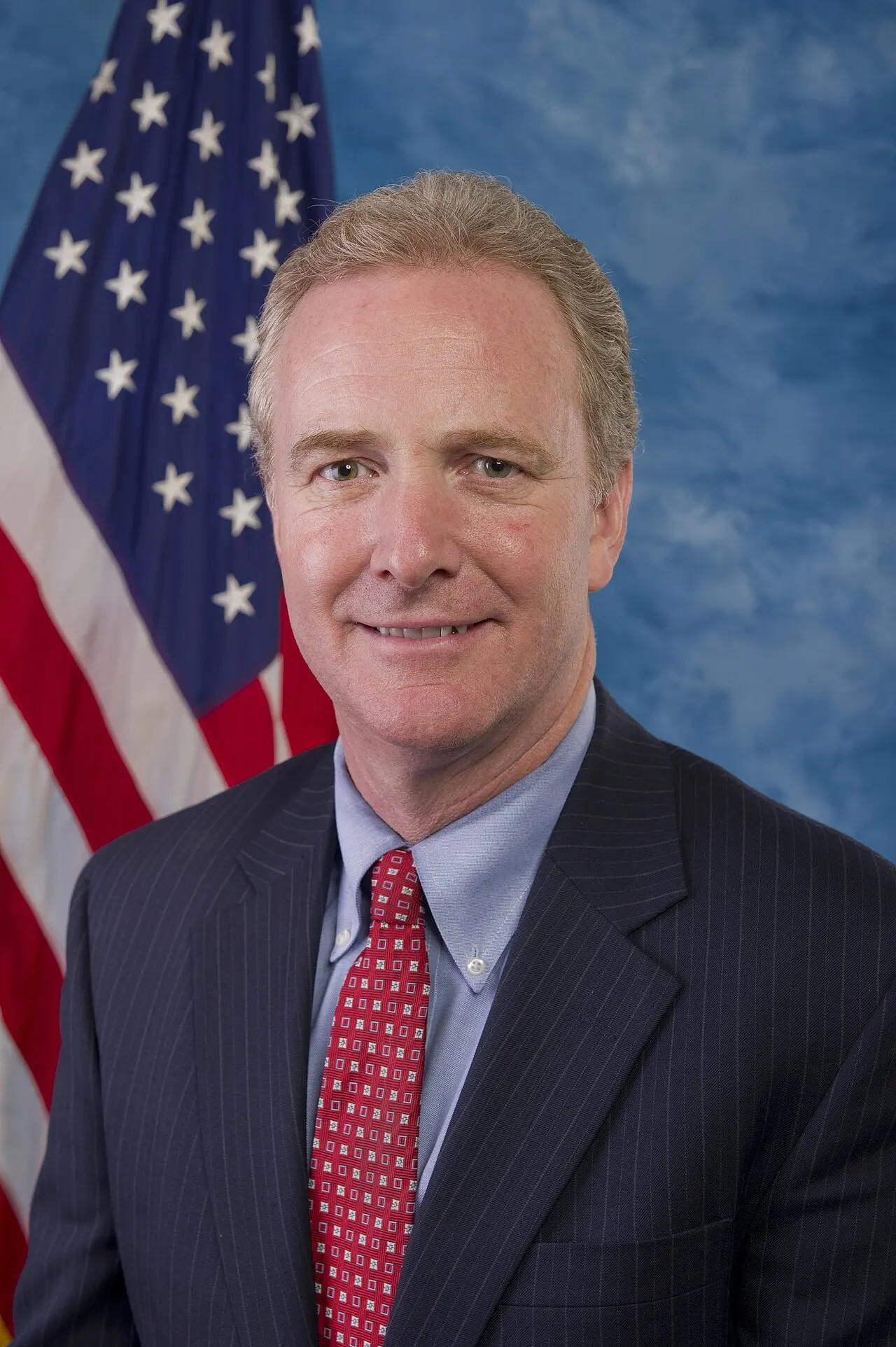
Sen. Chris Van Hollen of Maryland said Thursday he will challenge Sen. Chuck Schumer for Senate Democratic leader, setting up a leadership fight inside the party weeks after Democrats won control of Congress. Van Hollen laid out his case in an interview with NPR recorded Tuesday, two days before he announced.
Van Hollen is the ranking Democrat on the Senate Foreign Relations subcommittee that oversees the State Department and what remains of the U.S. Agency for International Development. He said his first priority in the majority would be a full accounting of the damage from the Trump administration's dismantling of USAID.
"Priority number one is to do an analysis of all the harm the Trump administration has done," he told NPR. He pointed to analyses he described as credible that put the death toll from the aid cuts at more than 700,000 people worldwide between January 2025 and January 2026, and warned the toll could reach into the millions if the trend continues.
Why it matters
The challenge is about more than a leadership title. With Democrats set to hold the majority, Van Hollen would gain the gavel on the subcommittee, which means he could call public hearings and use them as a spotlight on the aid cuts. "We need new leadership," he said, arguing the party should press the case that the cuts hurt American interests as well as people abroad.
Van Hollen gave two examples of what he wants investigated. He said the administration rescinded more than $500 million in global health funds with the backing of the Republican majority in Congress, and that about $1.5 billion Congress passed years ago for global public health now appears to be used to wind down USAID instead.
He also returned to the February 2025 White House scene in which Elon Musk, asked by a reporter about cuts to Ebola programs, answered that the team had missed that one. Musk said the funding was restored, but Van Hollen said it was not restored adequately, and pointed to the current Ebola outbreak in the Democratic Republic of Congo, which he said could have been better contained without the public health cuts. He described Musk's approach as taking a chainsaw to the agency.
The deeper fight is over the power of the purse. Van Hollen said the administration has sat on money Congress appropriated for public health at home and abroad, and ignored the report language that tells agencies how to spend it. That language is guidance, not law, and he said it used to be respected by presidents of both parties. His plan is to turn those instructions into binding law, so a court can enforce them if the White House diverts the money again. [Democrats took Congress in the midterm elections](/article/democrats-won-congress-what-happens-next-explained), and Republicans are also choosing new leadership after their losses — [House Republicans are set to elect a new leader](/article/house-republicans-to-elect-new-leader-after-midterm-losses).
What it means for the US
For American readers, the stakes are practical. Van Hollen's argument is that USAID was not only foreign charity: it funded the disease surveillance and vaccination programs that keep outbreaks from reaching the United States, and it built goodwill that US diplomacy relies on. An Ebola outbreak that spreads further because response teams lost funding is a health risk and a diplomatic cost at the same time.
There is also a constitutional point. If a president can ignore Congress's spending instructions and redirect appropriated money, the power of the purse weakens no matter which party holds the White House. Codifying those instructions into law would give Congress a tool it does not have now, and give courts a clear standard to apply.
What happens next
Van Hollen's challenge to Schumer comes first. If he wins the leadership race, expect hearings on the aid cuts early in the new Congress, with the 700,000-death estimate and the Ebola case front and center. The push to write funding safeguards into law will follow, and Van Hollen concedes it may turn into a fight with the administration, including veto threats and court cases.
The bigger question is 2028. Van Hollen said that if Democrats win the presidency and keep Congress, the fate of USAID would be revisited — but not as a simple return to the agency as it was. He said nothing the Trump administration did on global health is worth preserving, while also saying the old USAID should be reformed rather than restored untouched. NPR said it reached out to the State Department for comment and did not receive a response before publication.