What happened
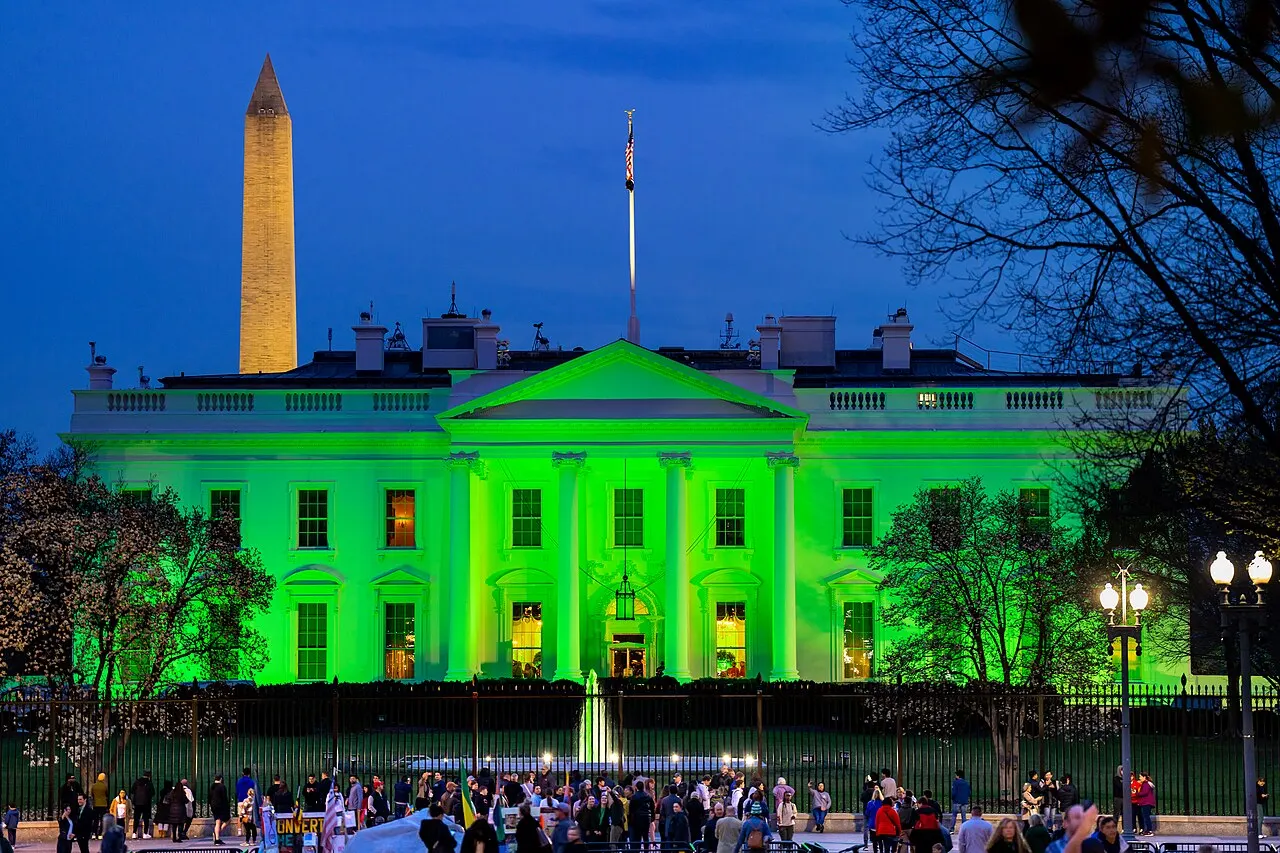
Sean Cairncross is out as White House national cyber director, a little over a year after taking office in August 2025. Axios first reported the departure, and CBS and the BBC followed. The White House has not publicly confirmed the move or given a reason for it.
Secretary of State Marco Rubio posted on X that Kirsten Davies, the Defense Department's chief information officer, is the new national cyber director. The BBC said it had asked the White House for comment.
Accounts of how Cairncross left differ. CBS and AFP reported that he was fired after losing the confidence of White House chief of staff Stephen Miller, with the decision backed by President Donald Trump. Axios, meanwhile, described the split as amicable and timed so the White House can win Senate confirmation for a successor before Democrats take control of Congress in January.
The departure comes after a run of tech outages that hit banking, air traffic control and other sectors. US officials say the outages were not caused by cyberattacks, but what did cause them is still unknown. Members of Congress have demanded a clearer explanation. The Federal Aviation Administration is expected to announce soon the root cause behind a nationwide ground stop.
Why it matters
The national cyber director is the president's principal adviser on national cybersecurity policy and strategy. The office is young — Congress created it in early 2021 — and Cairncross was only its third Senate-confirmed director. His predecessor, Chris Inglis, left after about 19 months, and the job then sat without a permanent director for about 10 months.
Cairncross arrived with no cybersecurity background. A lawyer and longtime Republican operative, he had served as chief operating officer of the Republican National Committee and, in Trump's first term, as chief executive of the Millennium Challenge Corporation, a federal foreign aid agency. The Senate confirmed him 59–35. Once in the job, he met with top AI leaders and helped the administration make key AI decisions, according to Axios.
The timing is awkward. The outages rattled public confidence even though officials insist they were not attacks. Rubio said earlier in the week there was "zero evidence" the outages were connected, adding "we are not under systemic attack." But the rapid succession of failures — bank services, air traffic control, Microsoft services, and reportedly the National Security Agency's classified internal network — left many people wondering how much they should trust the systems they rely on every day.
There is a sharper worry underneath. Advanced AI models, mostly built by American companies, are increasingly able to find software vulnerabilities that humans would miss on their own. [Tests have already shown AI models can be tricked into picking civilian targets in war-game exercises](/article/ai-models-tricked-picking-civilian-targets-war-game-tests). Banks, meanwhile, have leaned hard into AI tools — and [recent cases show those systems can be turned against customers](/article/banks-ai-agents-hacked-customers-liable). A cyber director's job is to stay ahead of exactly that kind of risk.
What happens next
Davies steps into the role as the White House tries to lock in a Senate-confirmed successor before the new Congress takes over in January. The FAA's explanation of the ground stop will be the first public test of whether officials can explain what went wrong. Congress is watching, and the next outage — if there is one — will land on a new director's desk.