What happened
Ukrainian President Volodymyr Zelenskyy urged the United States on Sunday to approve the delivery of Patriot interceptor missiles, after what he described as a week of heavy Russian attacks across 20 regions of the country.
In a post on Telegram, Zelenskyy said Russia launched about 2,700 attack drones, nearly 1,460 guided aerial bombs and 165 missiles over the past week. A significant share of the missiles were ballistic, he said, including some supplied by North Korea.
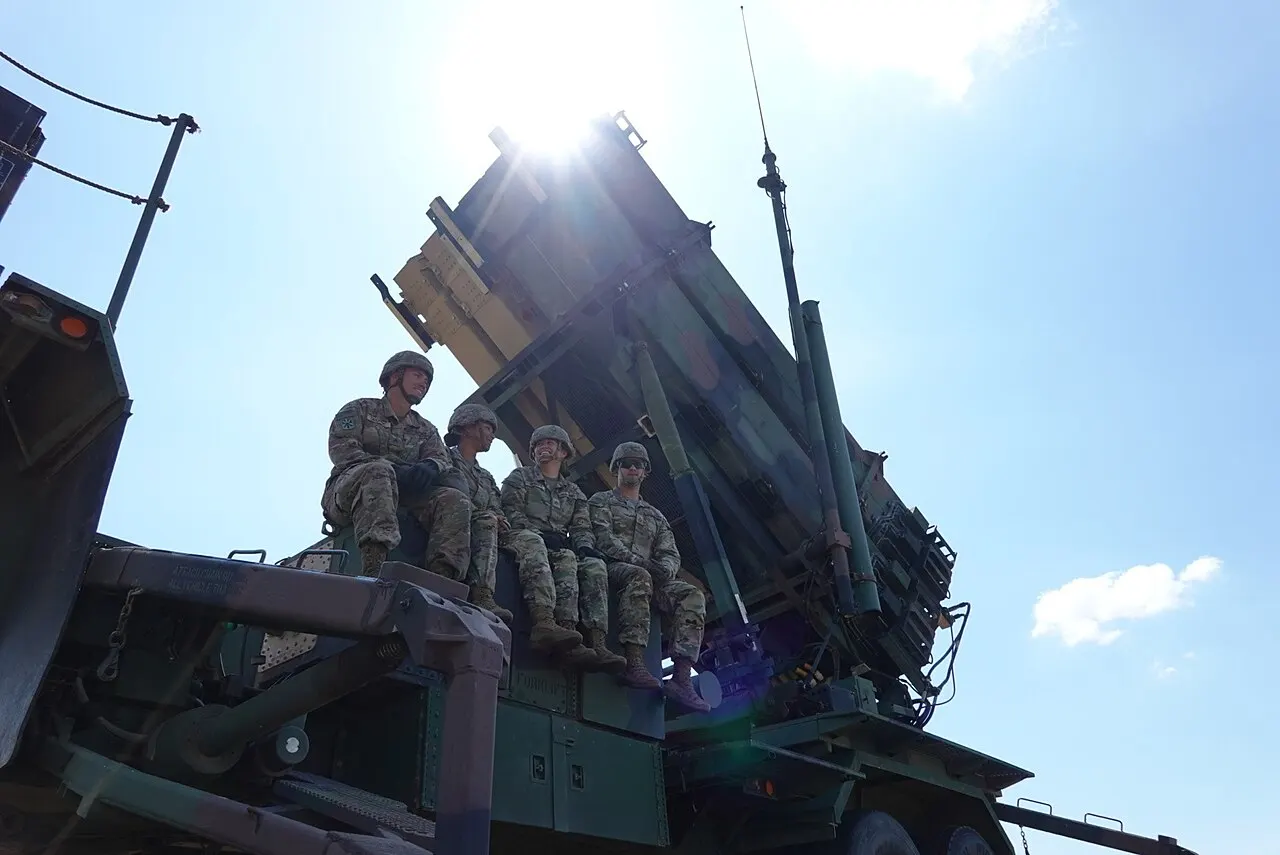
Ukraine is running short of US-made Patriot interceptors, the system that can shoot down ballistic missiles. Zelenskyy said Ukraine's partners had already paid for the missiles through a NATO-coordinated programme that funds purchases of US weapons for Kyiv, but their delivery is still awaiting approval from Washington.
"Against this backdrop, it is particularly difficult to understand the delays in the delivery of antiballistic systems to Ukraine," Zelenskyy said.
The latest attacks killed three people. A Russian strike hit a five-storey apartment building early on Sunday in the village of Dymer, north of Kyiv, causing part of it to collapse. Zelenskyy initially said nine people had been evacuated and 14 were unaccounted for. Rescuers later recovered two bodies as emergency crews searched for 11 people, including two children, who were still missing, according to Russia's Interfax news agency, citing Radio Liberty. A man was also killed in Russian shelling in the city of Zaporizhzhia.
Why it matters
Patriot interceptors are the one air defence system Ukraine has that can reliably stop ballistic missiles. A shortage leaves cities exposed to the fastest and hardest-to-intercept weapons in Russia's arsenal, and the past week's numbers show the scale of the problem: hundreds of drones a day, plus guided bombs and ballistic missiles.
The strikes are also hitting the power grid and the economy behind the war. Russia's defence ministry said on Sunday its forces struck a cargo ship northeast of the Black Sea port city of Odesa, the Pravoberezhna electricity facility in Zaporizhzhia, an oil refinery, electrical substations and a data centre. The ministry also claimed its forces had taken control of the village of Sosnovyi Bir in the Kharkiv region and destroyed a launcher for Ukraine's Neptune coastal missile system. Those claims could not be independently verified.
The drone war is widening beyond Ukraine's borders, too. Days earlier, a [Russian cargo ship was hit by drones in the Gulf of Finland](/article/russian-cargo-ship-sparta-ii-drone-attack-gulf-of-finland), an attack Finland said Ukraine was likely behind. Air defence, shipping and energy infrastructure are now all part of the same fight.
What it means for the US
The bottleneck here is Washington. The missiles are American-made, the money is already paid through a NATO programme, and the only thing standing between the interceptors and Ukraine is US approval. That puts the decision squarely on the Trump administration — and on how fast it wants American weapons to reach a partner that has already bought them.
For US readers, the stakes are practical as well as political. Delays mean more ballistic missiles getting through, more civilian deaths and more damage to the power grid Ukraine needs to get through winter. And the episode is a live test of the arrangement under which European allies pay for US weapons: if paid-for systems stall in Washington, allies will question whether the programme works.
The military pressure is running alongside a diplomatic track. US envoy Jared Kushner recently said [Russia is comfortable with NATO-like security guarantees for Ukraine](/article/kushner-says-russia-ok-nato-like-security-guarantees-ukraine), a sign that talks have not stopped even as the bombing intensifies.
What happens next
All eyes are on Washington's decision on the Patriot delivery, and on whether Zelenskyy's public pressure speeds it up. Rescue teams are still searching the rubble in Dymer, and the casualty figures may change. Russia has shown no sign of slowing its strikes on energy and transport sites, so more attacks are likely in the coming days.