What happened
Apple's first smart glasses are finally taking shape, according to Bloomberg's Mark Gurman. The company plans to announce the eyewear at its Worldwide Developers Conference in June 2027, with shipments starting before the end of that year.
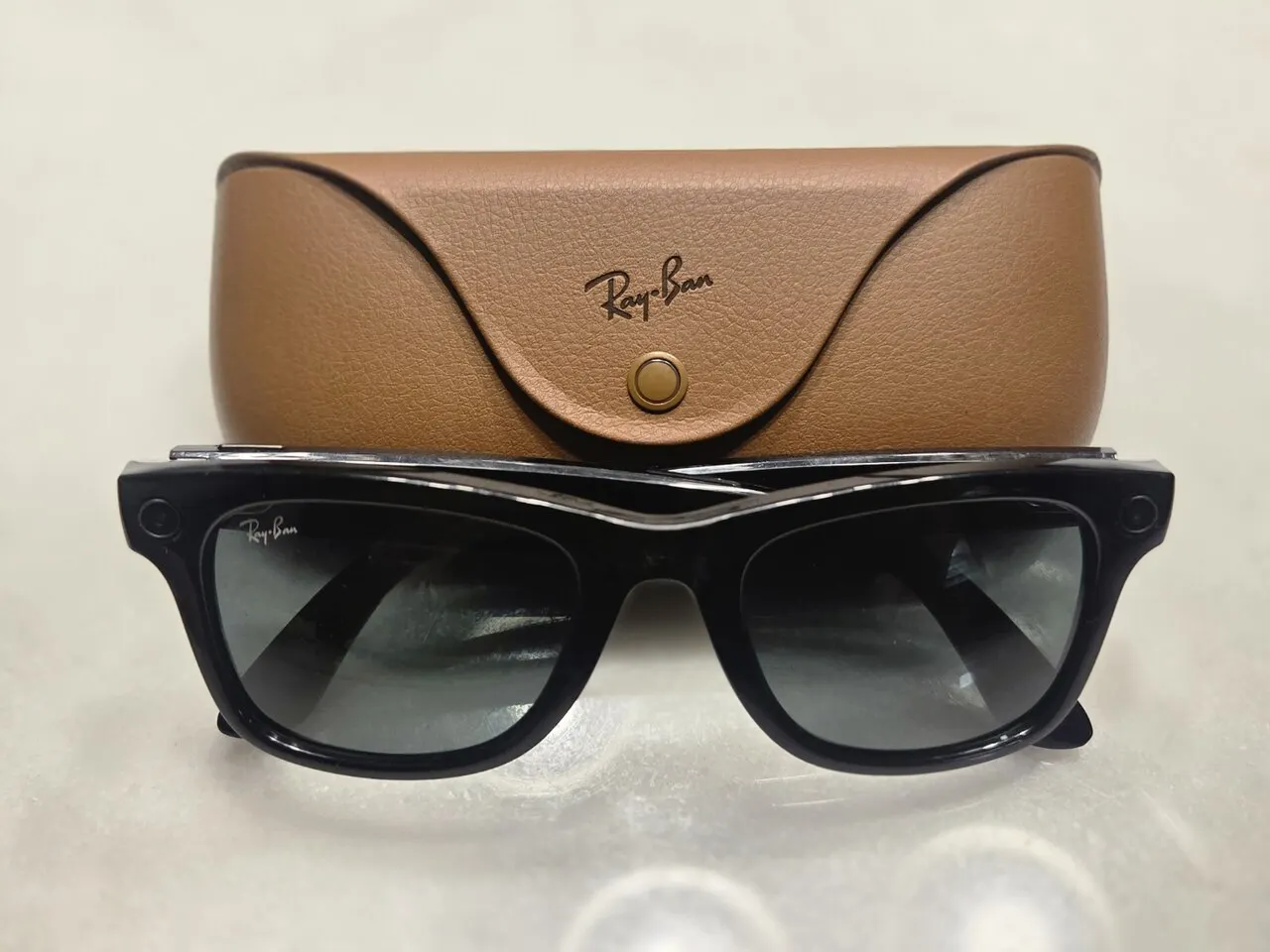
The first model will not have augmented reality features. Instead, Apple is building a camera-and-AI pair of glasses in the mold of Meta's Ray-Ban smart glasses — reportedly slightly thinner than Meta's second-generation frames — with style, privacy, and audio quality as the selling points.
Prototypes, codenamed N50, run a stripped-down version of visionOS on a new processor based on Apple's older smartwatch chips. They charge with a MagSafe-like puck Gurman describes as flat, rectangular, and roughly the size of a Tic Tac. It can top up the glasses while you are still wearing them.
Why it matters
The glasses hinge on Siri. [Apple is rebuilding its assistant with fine-grained control over apps](/article/apple-races-to-make-siri-ai-agent), and it is getting developers to add support on the iPhone first so the glasses can hit the ground running on day one. If Siri feels clumsy, the glasses feel pointless — Apple knows it.
That is a different bet from the Vision Pro. Where the headset was a big, expensive computer for your face, these glasses are meant to disappear: a familiar frame, a voice assistant, and a camera that stays out of the way. The market already exists. Meta's Ray-Bans have sold in the millions, and Apple is arriving late with the one thing it has always sold best — the idea that the technology should feel invisible.
Privacy will be the hard part. A camera on your face is a sensitive thing, and [Meta's glasses have already drawn scrutiny in Europe over how they handle people's photos](/article/italy-fines-meta-805m-over-users-photos). Apple is leaning into that gap, pitching privacy and sound quality — employees have called the audio industry-leading — as reasons to pick its frames over Meta's.
The Wi-Fi connection matters too. The glasses will keep some functions running when the iPhone is out of range. You could keep listening to audio over Wi-Fi after walking away from your phone. But they are not a standalone device. The iPhone still does most of the work.
What happens next
WWDC in June 2027 is the date to watch. Gurman says Apple will show the glasses there, with shipments following before the year ends. No price has been reported.
Between now and then, the tell will be Siri. The revamped assistant is rolling out on the iPhone first, and how well developers adopt its new app controls will say a lot about whether the glasses feel useful or gimmicky on launch day. [AI wearables are crowding in fast — Amazon's Bee launched two AI wearables from $75](/article/amazon-bee-launches-two-ai-wearables-from-75) — so Apple will not be entering an empty field.
The other thing to watch is the charger. A tiny puck you can use while wearing the glasses is a small detail, but it answers the oldest complaint about smart glasses: that they die halfway through the day. If Apple gets the everyday stuff right — battery, sound, and a frame people actually want to wear — the missing AR may not matter at all.