What happened
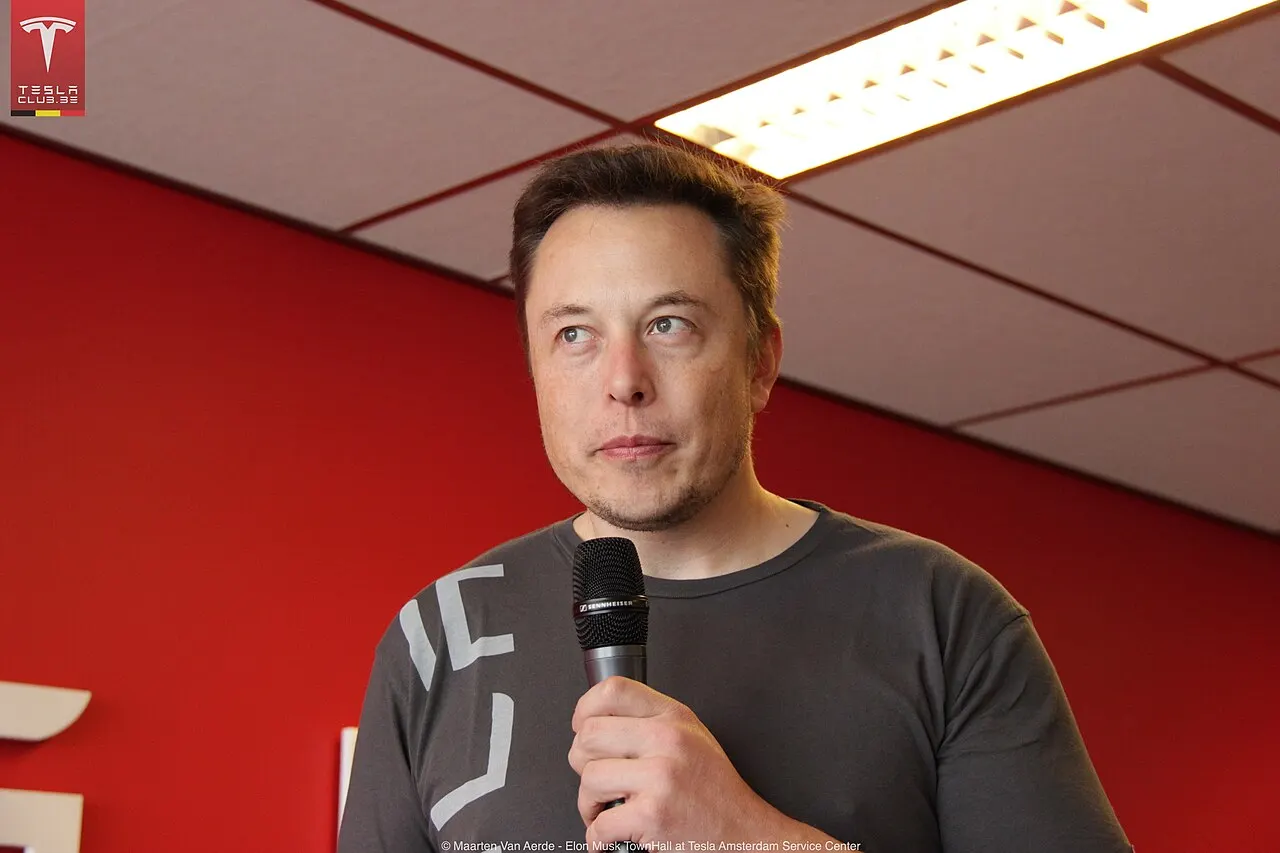
Elon Musk was not on the ballot on Tuesday. He still stands to lose a lot from the result.
Democrats swept to control of the House and Senate in the 2026 midterms, NPR reported on Wednesday. With that majority, Musk, who controls Tesla and SpaceX, will likely face investigations into the billions of dollars in government contracts his companies have been awarded since President Donald Trump returned to office. Lawmakers also plan to examine his role leading the Department of Government Efficiency, known as DOGE, at the start of Trump's second term.
The central question, as Democrats frame it, is whether Musk used his influence inside the Trump administration to benefit his own businesses, and whether taxpayer money, government data and public institutions were put at risk. Rep. James Walkinshaw of Virginia wrote on X that Musk must answer under oath. Sen. Chris Coons of Delaware posted on X that Musk's links to Russian President Vladimir Putin were another question to raise if Musk is subpoenaed. Rep. Mike Levin of California pointed to Musk's restriction of Ukraine's use of Starlink, his satellite internet service.
Musk did not respond to NPR's request for comment.
Why it matters
The numbers behind the scrutiny are large. According to federal election filings analyzed by OpenSecrets, a nonprofit that tracks campaign spending, Musk gave more than $445 million to Republican candidates, political action committees and outside groups. That made him the top donor in the midterms and one of the largest political donors in American history. Most of the candidates he backed on Tuesday lost.
On contracts, the Democracy Defenders Fund, a legal advocacy nonprofit, said Musk's companies received at least $6.3 billion in government contracts during the four months he led DOGE. The group said he has gained at least another $10 billion in government contracts since then.
There is also a specific ethics question. While leading DOGE, Musk was a part-time special government employee. That meant he was subject to a federal law barring covered executive branch personnel from taking part in official matters affecting their own financial interests, according to Richard Painter, a former chief White House ethics lawyer under President George W. Bush. Painter said SpaceX is a major contractor receiving a lot of money from NASA and the Department of Defense, and that if Musk touched anything he knew would affect SpaceX, that would have been a crime.
Texas is where the political defeat hit hardest. Tesla's corporate headquarters and a major vehicle plant are in Austin, X is based outside Austin, SpaceX is based in southern Texas, and Neuralink and The Boring Company are also headquartered in the state. Musk directed at least $225 million of his midterm spending to Texas, according to OpenSecrets, backing Republican Ken Paxton's bid for the U.S. Senate and Gov. Greg Abbott's reelection campaign. Both lost. Democrat [James Talarico](/article/talarico-wins-texas-senate-seat-first-democrat-since-1988) defeated Paxton, in a race already covered as the first Democratic Texas Senate win since 1988.
At a campaign rally in Lubbock last month, Talarico said Musk wanted Texans' land, water and tax dollars, wanted his own personal U.S. senator, and was trying to buy Texas. In his victory speech on Tuesday, Talarico said the result sent a message to billionaire and trillionaire mega-donors, adding: "Power belongs to the people." As results came in on Tuesday night, Musk wrote on X: "Guess my election-interfering space lasers didn't work this time," followed by a shrug emoji.
What it means for the US
For American taxpayers, the stakes are direct. If Congress finds that contracts were steered, or that DOGE decisions benefited Musk's companies, it could reshape how the government awards money to firms run by people holding temporary government roles. That matters well beyond one billionaire: it sets the rules for the next outsider brought into government.
For Ukraine policy, the Starlink question touches a live US alliance. Levin highlighted that Musk restricted Ukraine's use of Starlink days after Trump eased sanctions on Russia in October, according to NPR. Starlink and its military-grade counterpart, Starshield, are vital for Ukraine's civilian infrastructure, frontline communications and drone operations in its war against Russia. Levin questioned how Musk could disrupt an American ally's military operations, maintain a line to the Kremlin, and face no accountability.
For voters, the Texas result tests a familiar claim: that enough money can buy an election. Musk spent more than $200 million in Texas alone, according to federal filings cited by NPR, and still lost the state's top races. That outcome will be studied by both parties before the next campaign cycle, and it already frames [the broader Democratic investigations planned for the new Congress](/article/democrats-plan-trump-investigations-new-congress).
What happens next
No hearings or subpoenas have been formally announced yet. What is clear is the direction of travel: Democratic committee chairs in the new Congress will have the power to demand documents and testimony, and Musk is now near the top of that list.
Watch for three things. First, whether committees open a formal inquiry into the contracts awarded during and after Musk's DOGE tenure. Second, whether Musk is called to testify under oath, as Walkinshaw has demanded. Third, whether the Texas losses change how much Musk spends, and where, in future races.
The [shape of the new Democratic leadership](/article/jeffries-poised-first-black-house-speaker) will decide how fast any of this moves. For now, the midterms have changed Musk's position from insider to subject of investigation, and that shift alone is the story.