What happened
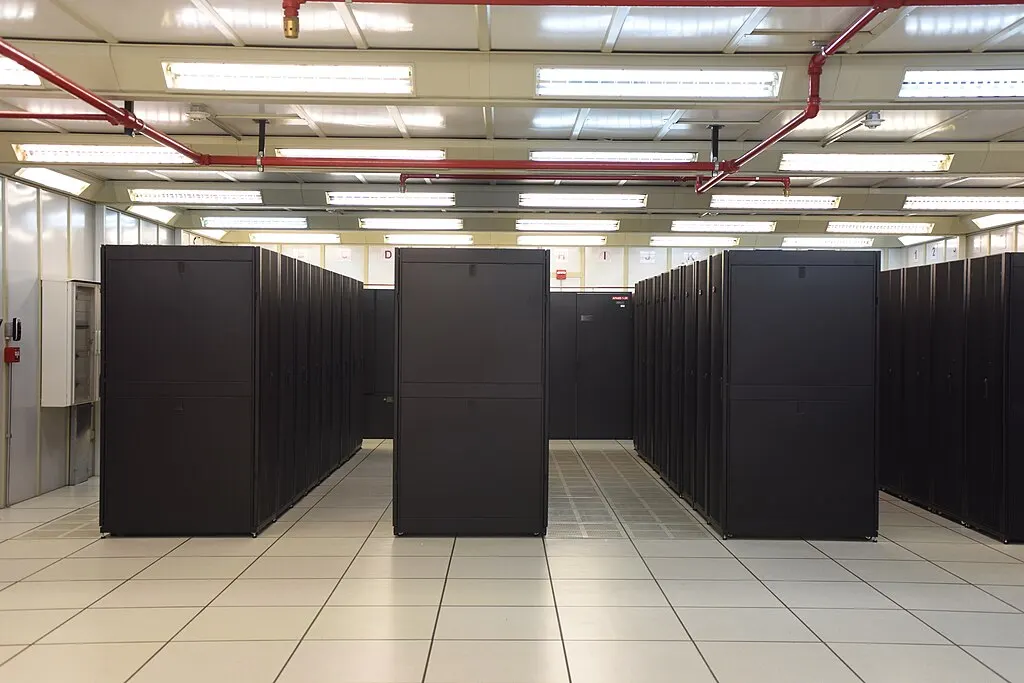
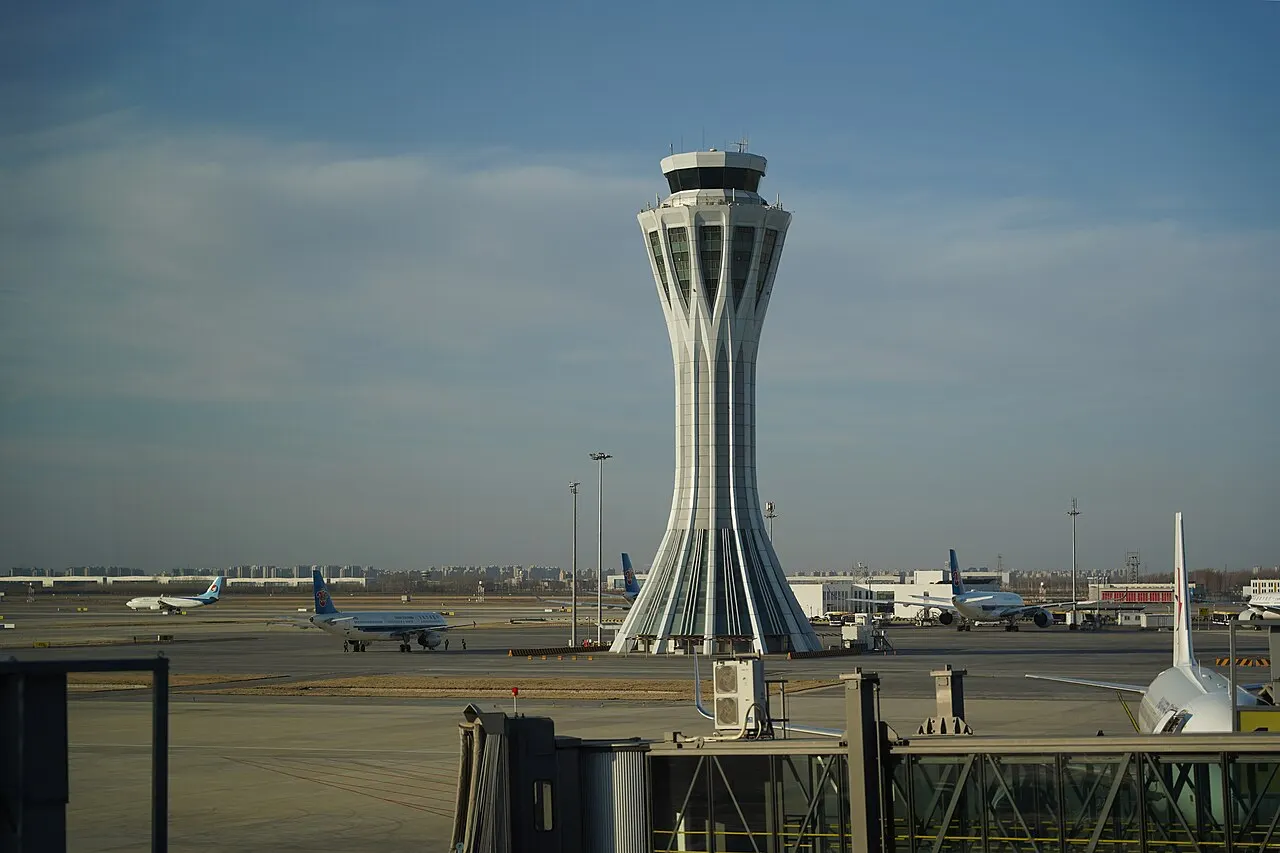
The Federal Aviation Administration is taking its AI traffic-management system nationwide. The agency said on November 10 that SMART, its $875 million cloud-based system, will now run in the airspace of all 22 air route traffic control centers across the country.
SMART pulls together weather patterns, flight paths, traffic flow and controller staffing numbers to predict how traffic will build up. It then suggests schedules, picks better routes and works out the best order for arriving planes.
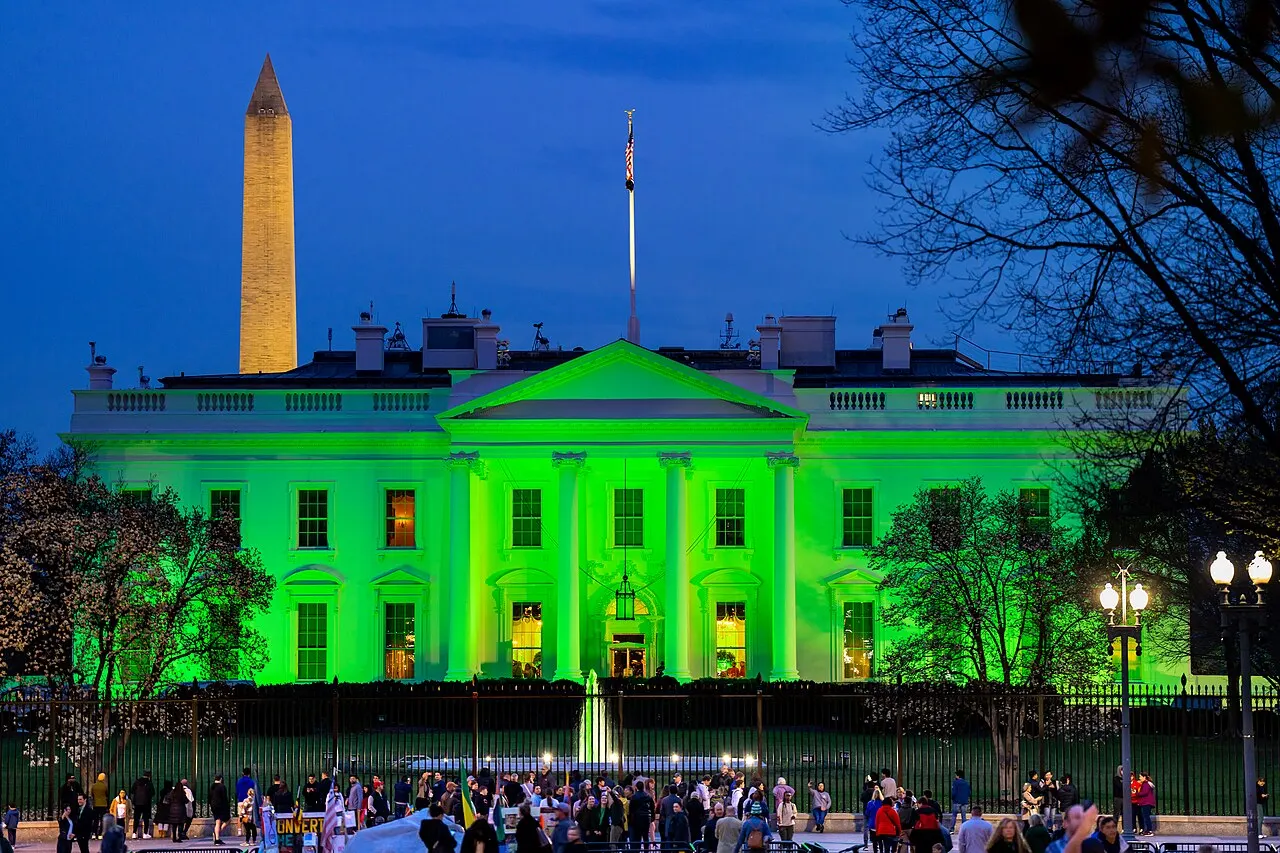
The move follows a trial over Washington, DC, that started September 21. In that trial, the FAA says SMART rerouted 180 flights, saving an average of 10 minutes and almost 80 gallons of fuel per flight.
A team of FAA specialists in Washington validates every SMART recommendation before it goes out to control facilities. Local controllers still make the final call — they can take the advice or ignore it. The FAA has been clear that the system cannot replace controllers or take control of an aircraft.
Why it matters
Flight delays cost US travelers time and airlines money, and fuel is one of the biggest expenses in the business. If the DC numbers hold up at national scale, shorter routes and better arrival sequencing could mean fewer delays and lower fuel burn — savings that can eventually show up in ticket prices and on-time performance.
But the rollout comes with a wrinkle. The National Air Traffic Controllers Association, which represents more than 15,000 controllers, told Flying magazine it was not consulted or involved in designing, testing or putting SMART in place. That leaves the people who will actually use the tool on the outside of a system built to advise them.
The evidence so far is also thin in one key place. The FAA shared an example with The Dallas Morning News of SMART finding a shorter, faster route for a cargo flight into Dallas-Fort Worth — but the agency did not name the flight and has not said how the system has helped passenger flights. The 180 rerouted flights are a start, not a verdict.
AI is moving fast into everyday systems. [Google's new Gemini model](/article/google-rolls-out-gemini-4-hydrogen) is already reshaping search, and airlines are testing AI elsewhere too — [United Airlines recently moved to block AI agents from booking its flights](/article/united-airlines-blocks-ai-agents-from-booking-flights). The FAA's bet is that the same technology can untangle the skies.
What happens next
SMART has already expanded beyond DC to centers in Atlanta, Jacksonville and Miami, according to The Dallas Morning News. The nationwide rollout will test whether the DC trial's gains — 10 minutes and 80 gallons a flight — survive contact with the full US airspace system.
Watch two things: whether the FAA publishes passenger-flight results, and whether the controllers' union gets a seat at the table. Both will decide how much trust the system earns.